
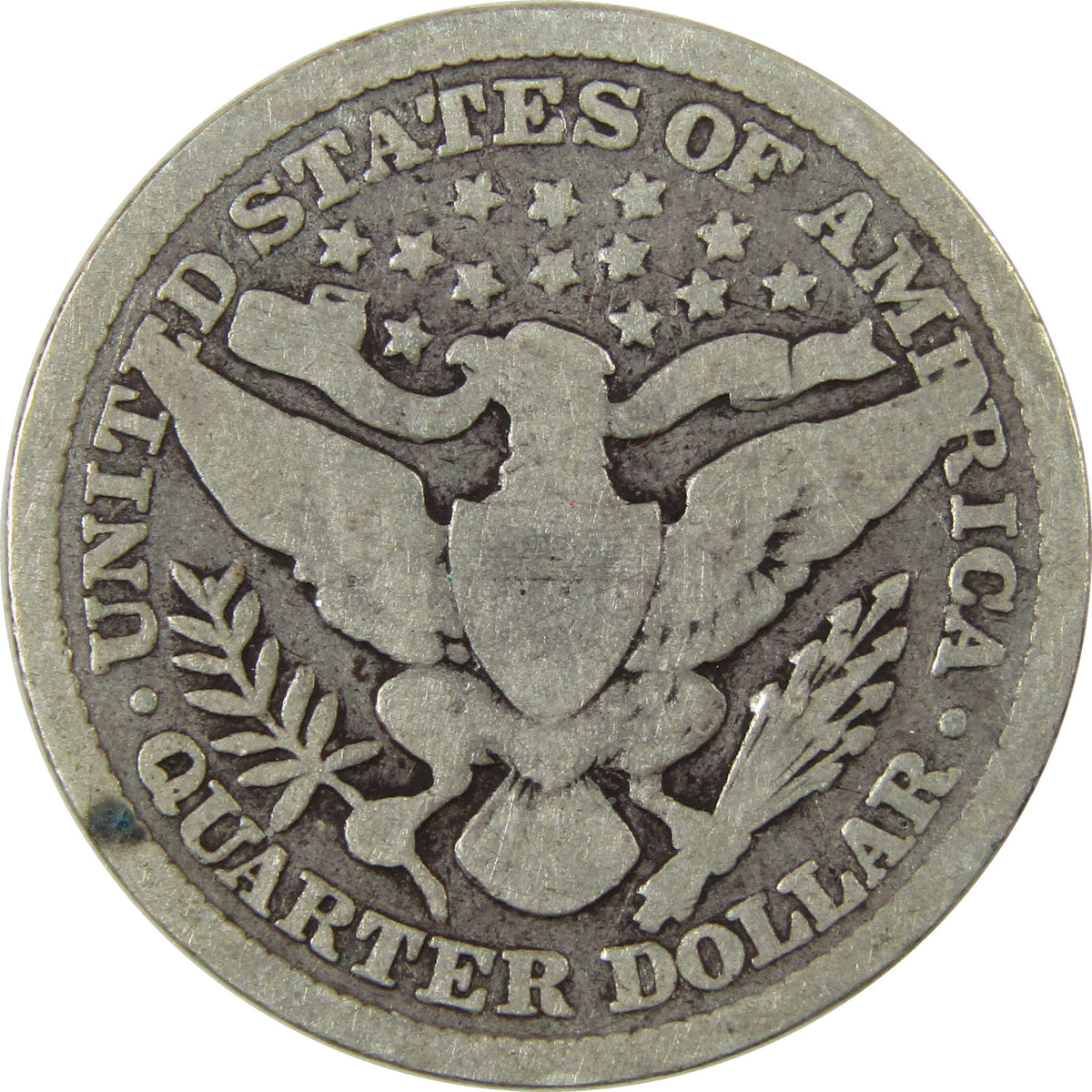
The 90% silver Liberty Head quarters – dubbed Barber quarters – are a collector favorite. Designed by Charles E. Barber, the quarter bears his classic depiction of Liberty facing right, wearing a laurel wreath and Phrygian cap held in place by a narrow band inscribed liberty. Liberty is encircled by 13 stars and the motto “IN GOD WE TRUST” above and date below. The reverse, almost identical to the half dollar, features an adaptation of the Great Seal of the United States. The reverse was revised slightly in 1892, creating two varieties for that year. Learn More


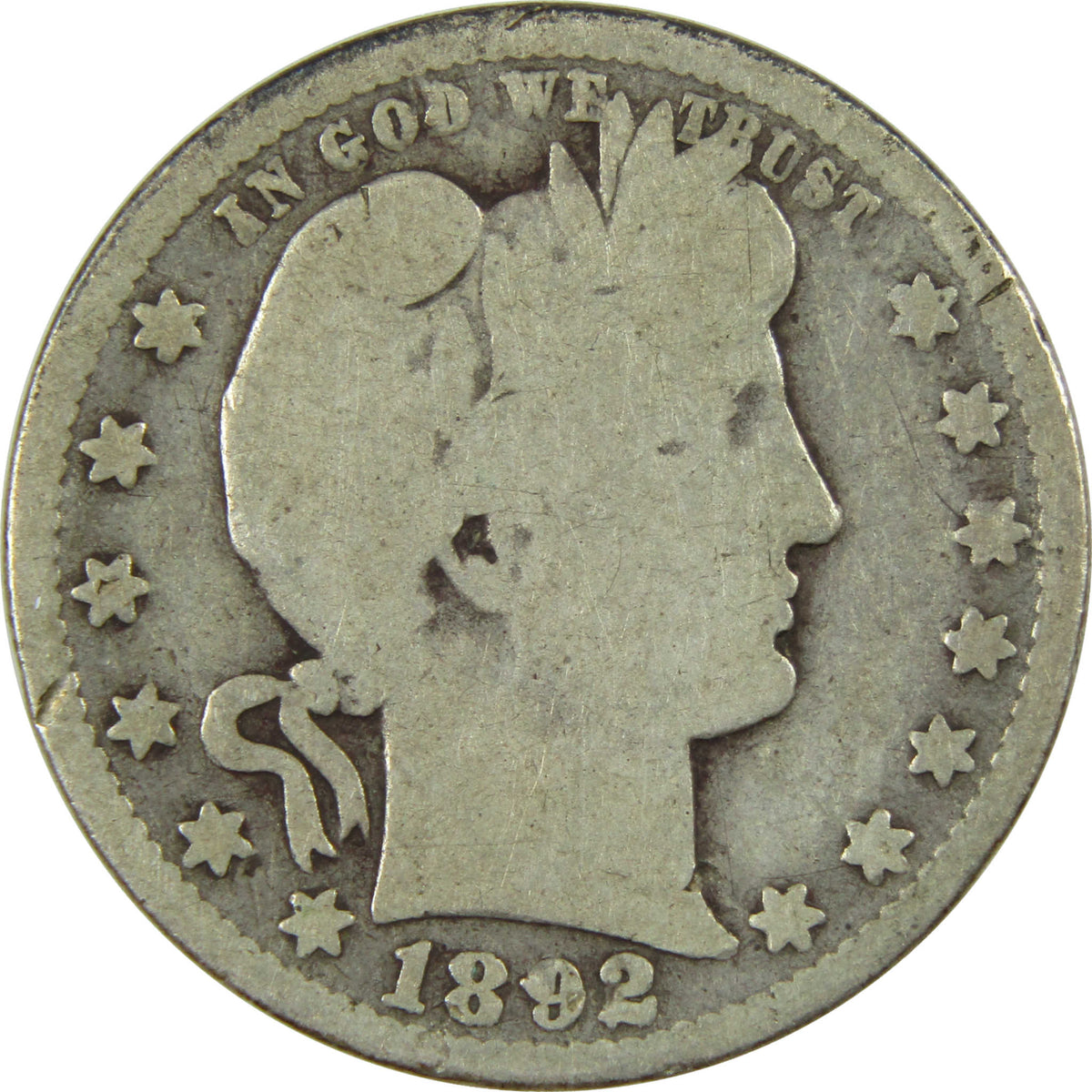
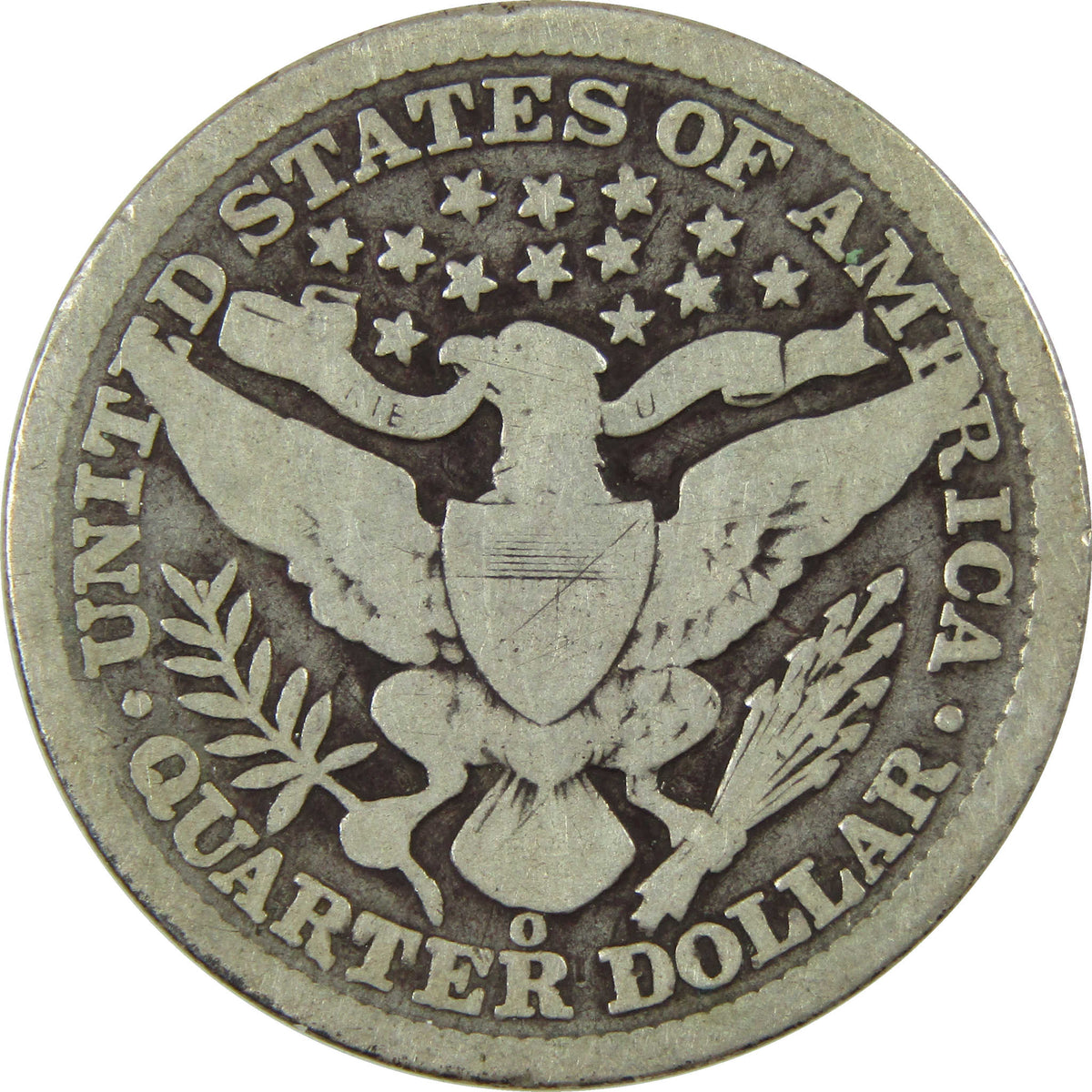


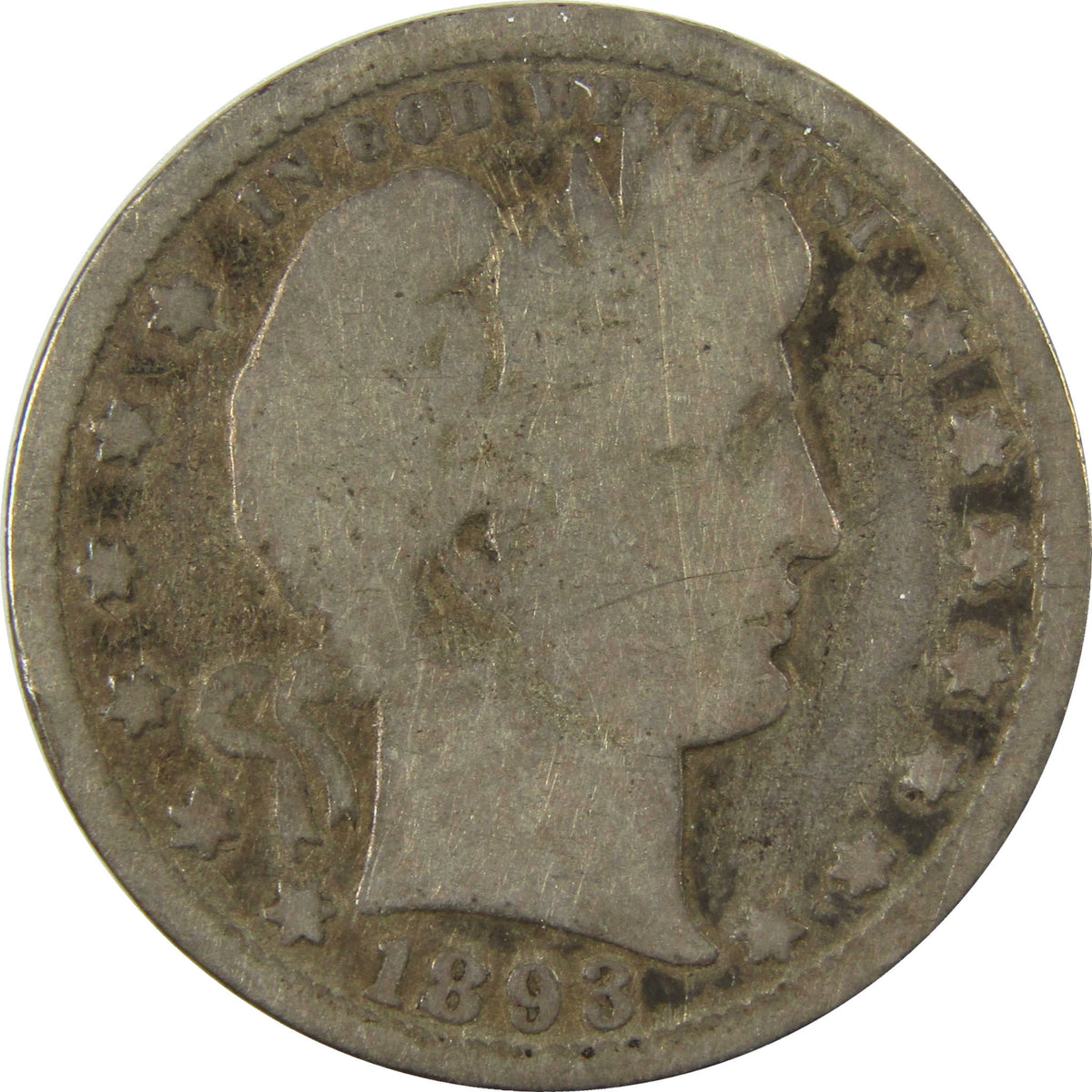
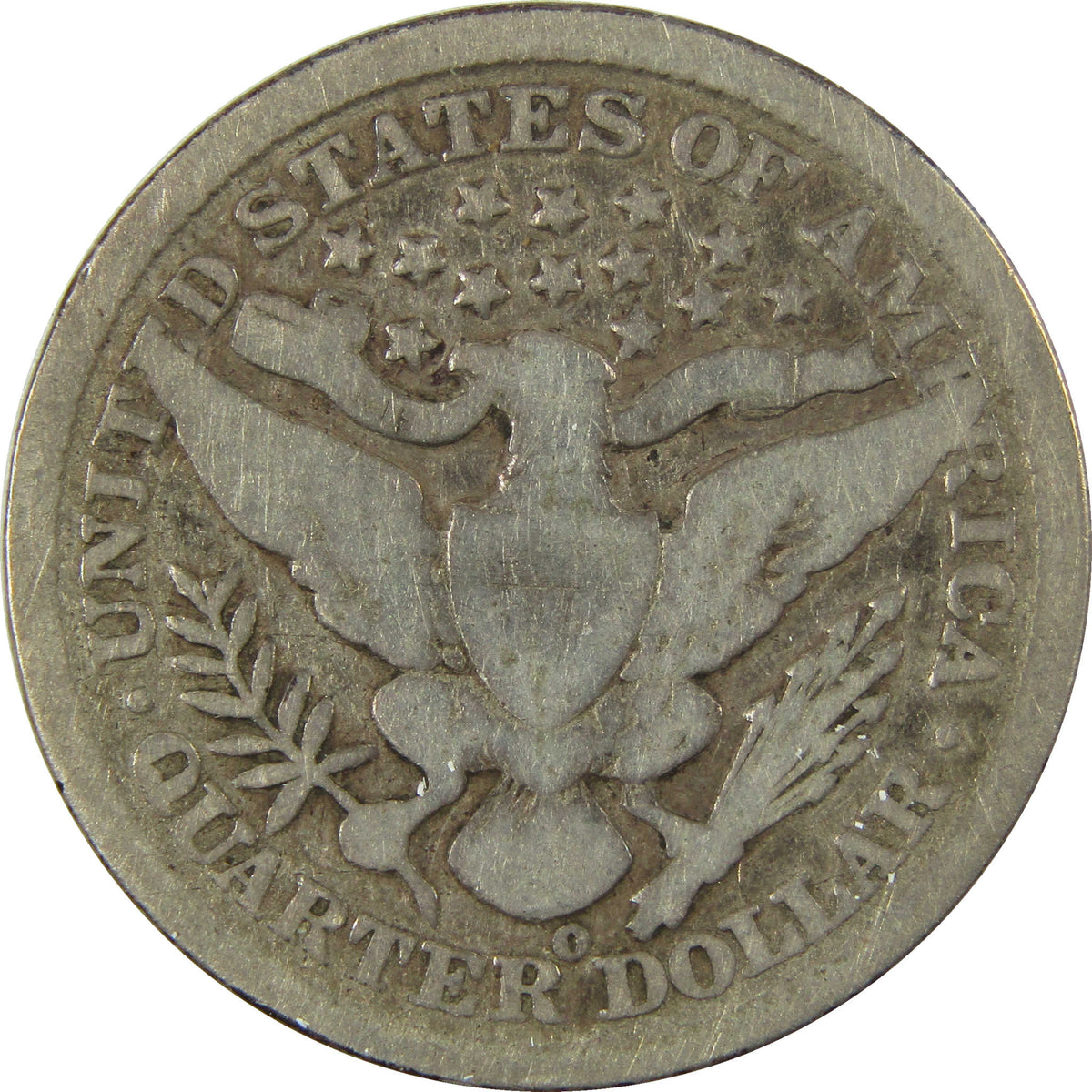
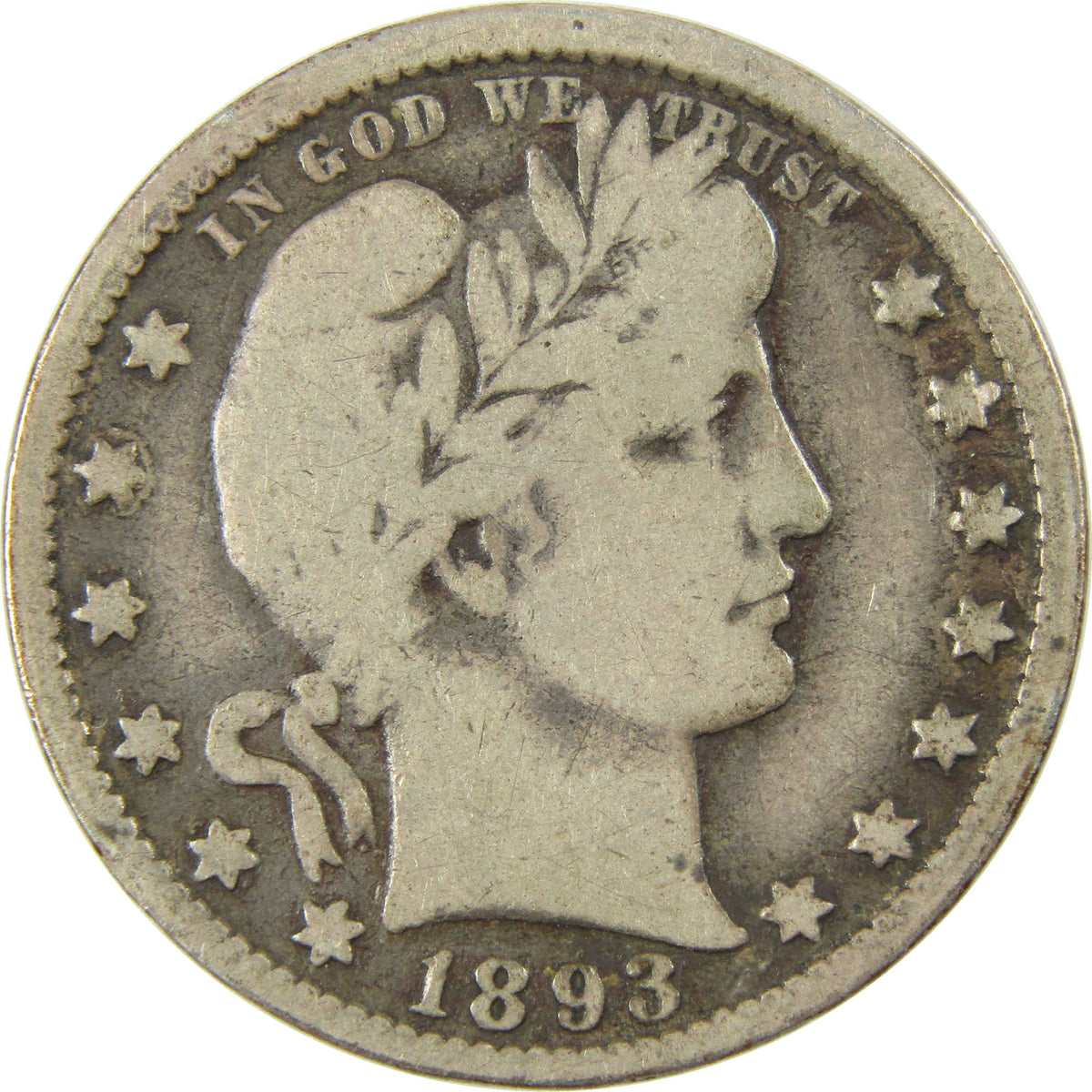
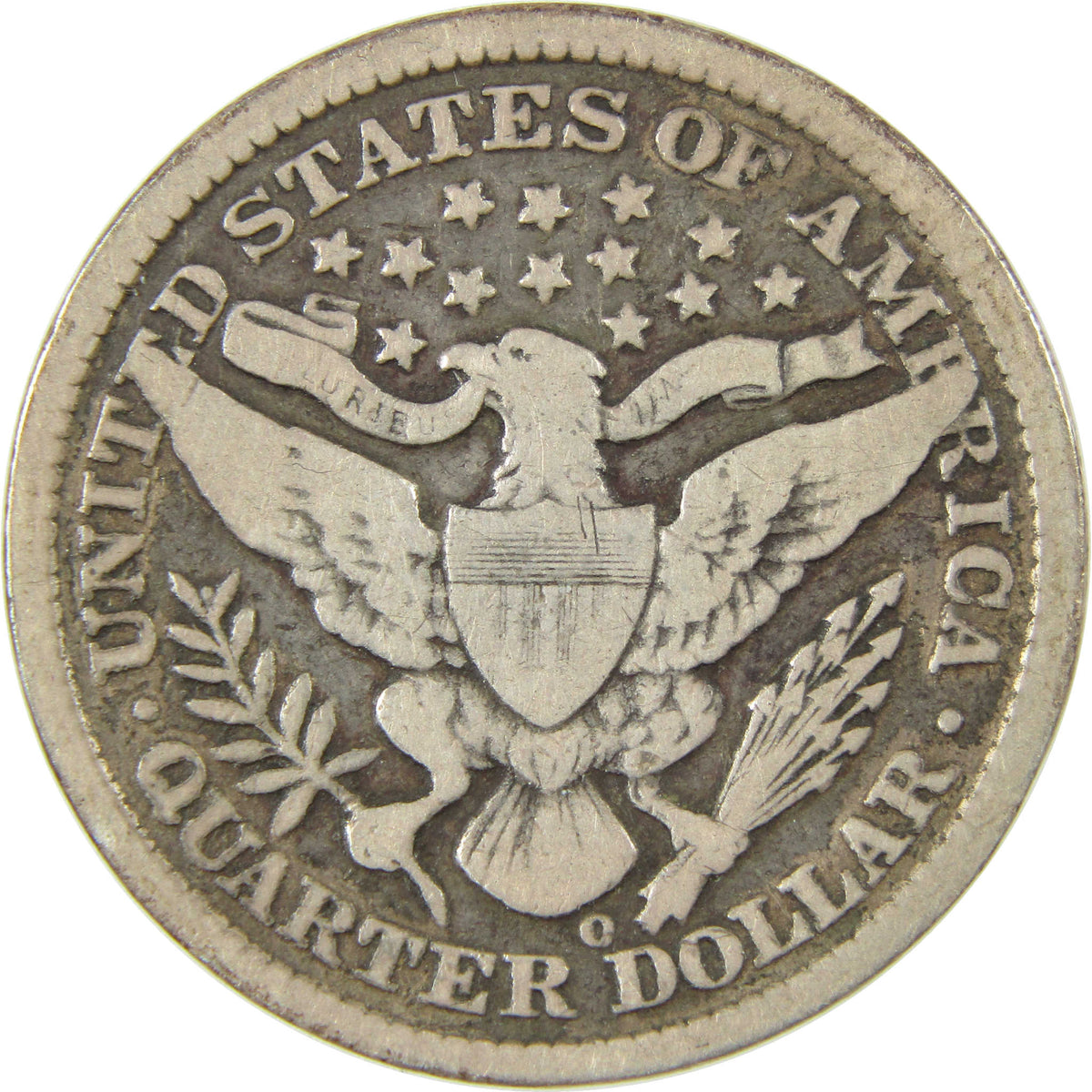
1893 O Barber Silver Quarter VG Very Good 25c Coin Collectible
Sale price$89.99
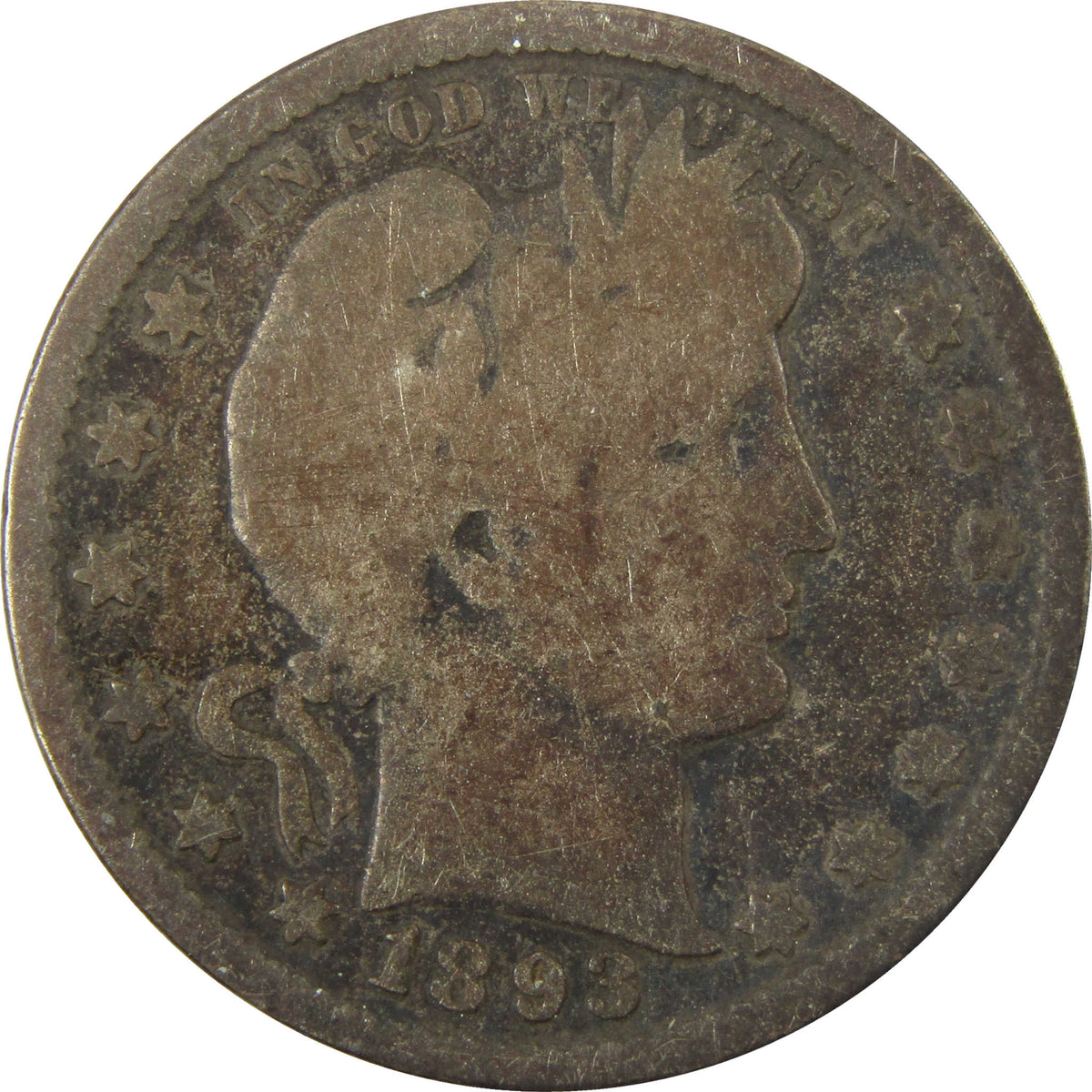


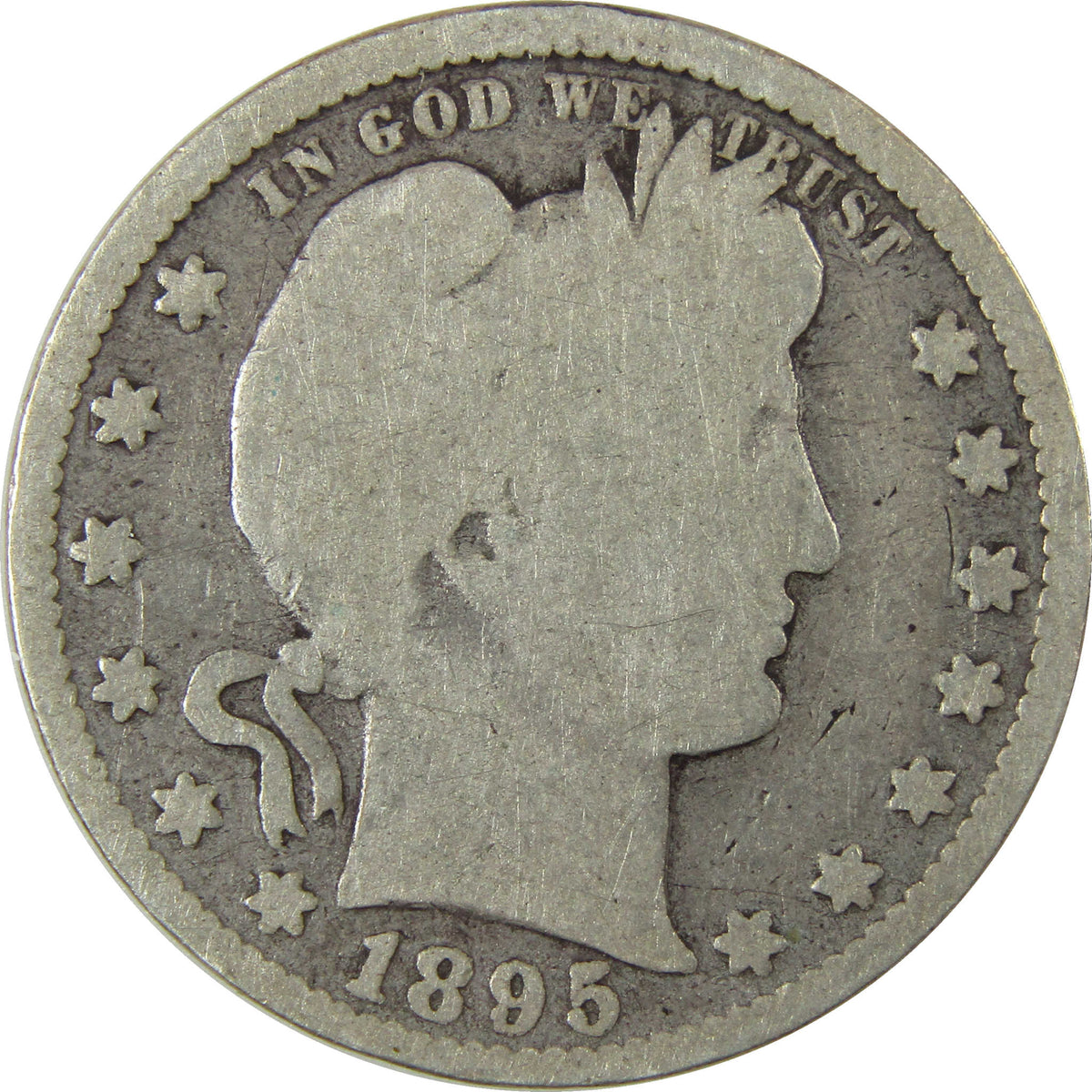
1895 Barber Silver Quarter F 15 Details ANACS 25c Coin SKU:I28553
Sale price$34.99


Save 17%


1896 O Barber Quarter About Uncirculated Details NGC Silver SKU:I1047
Sale price$891.99
Regular price$1,074.99


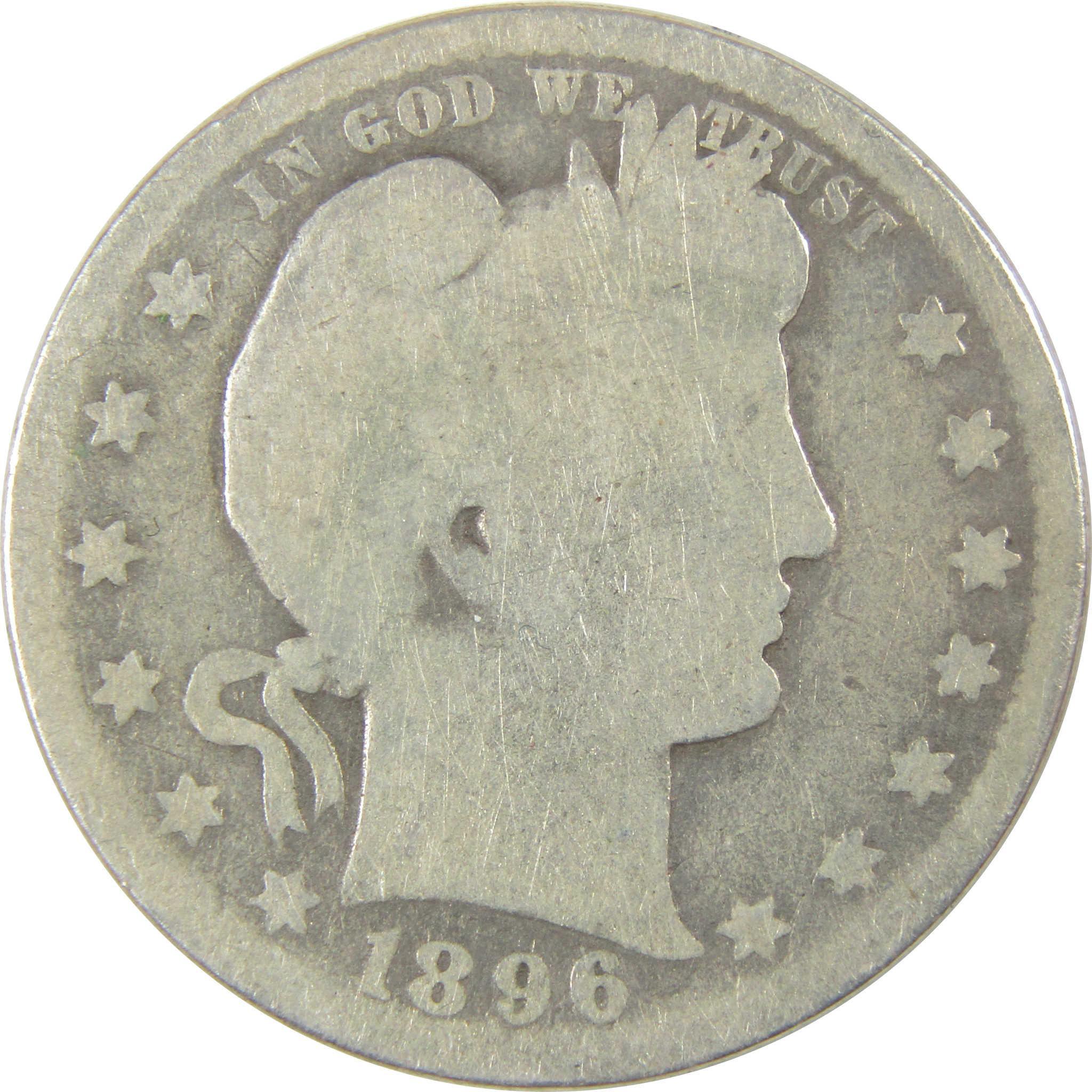
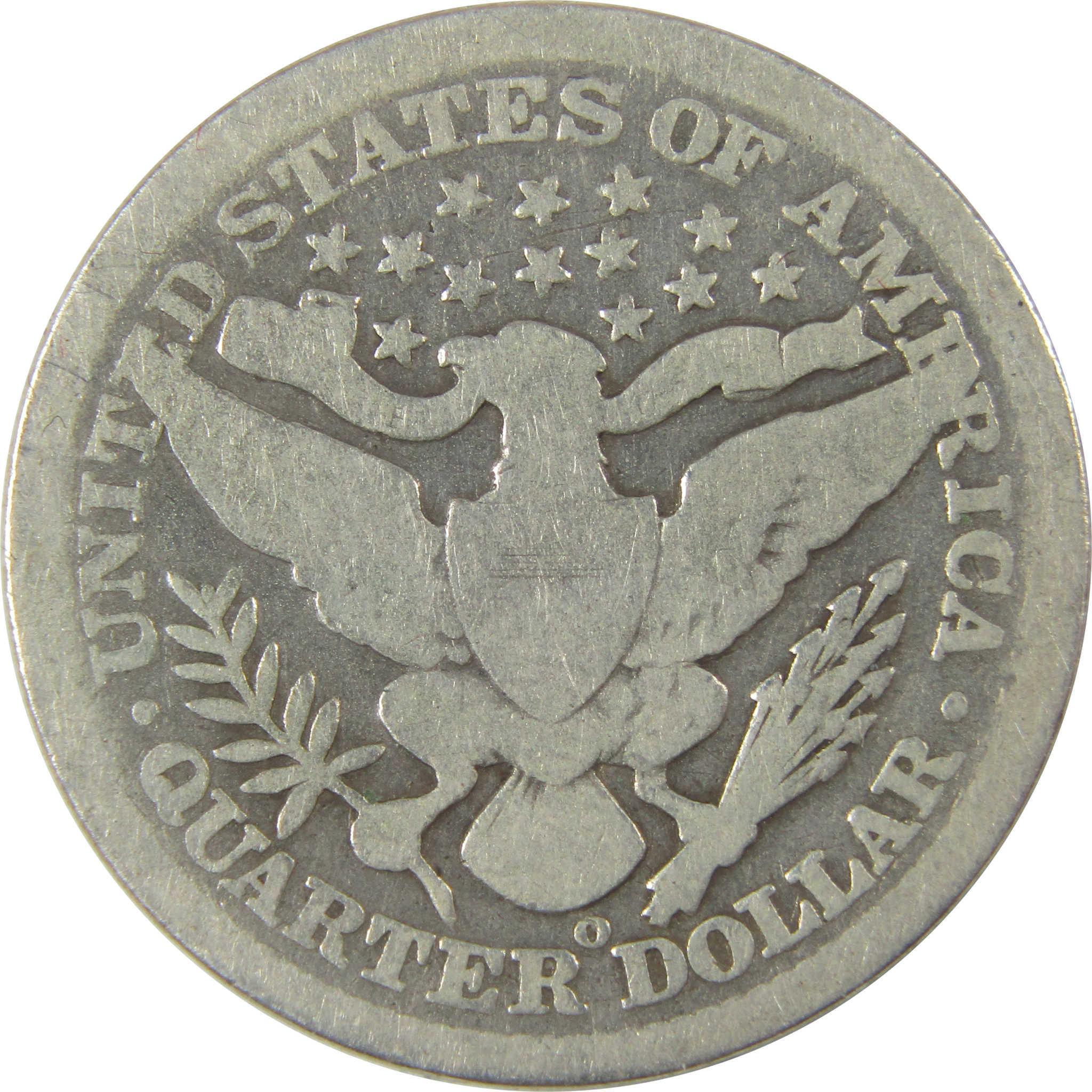
1896 O Barber Quarter AG About Good Silver 25c Coin SKU:I19766
Sale price$51.99
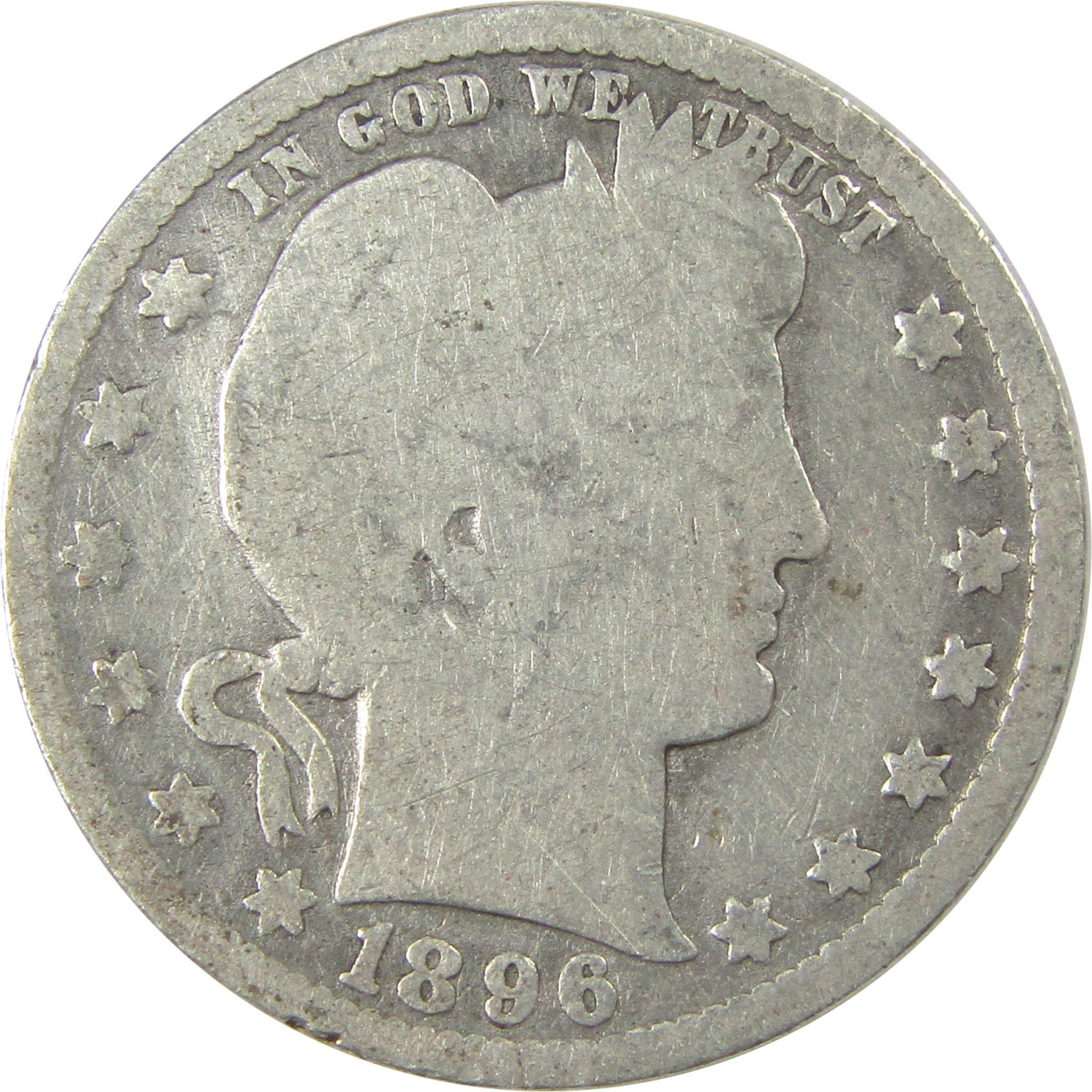
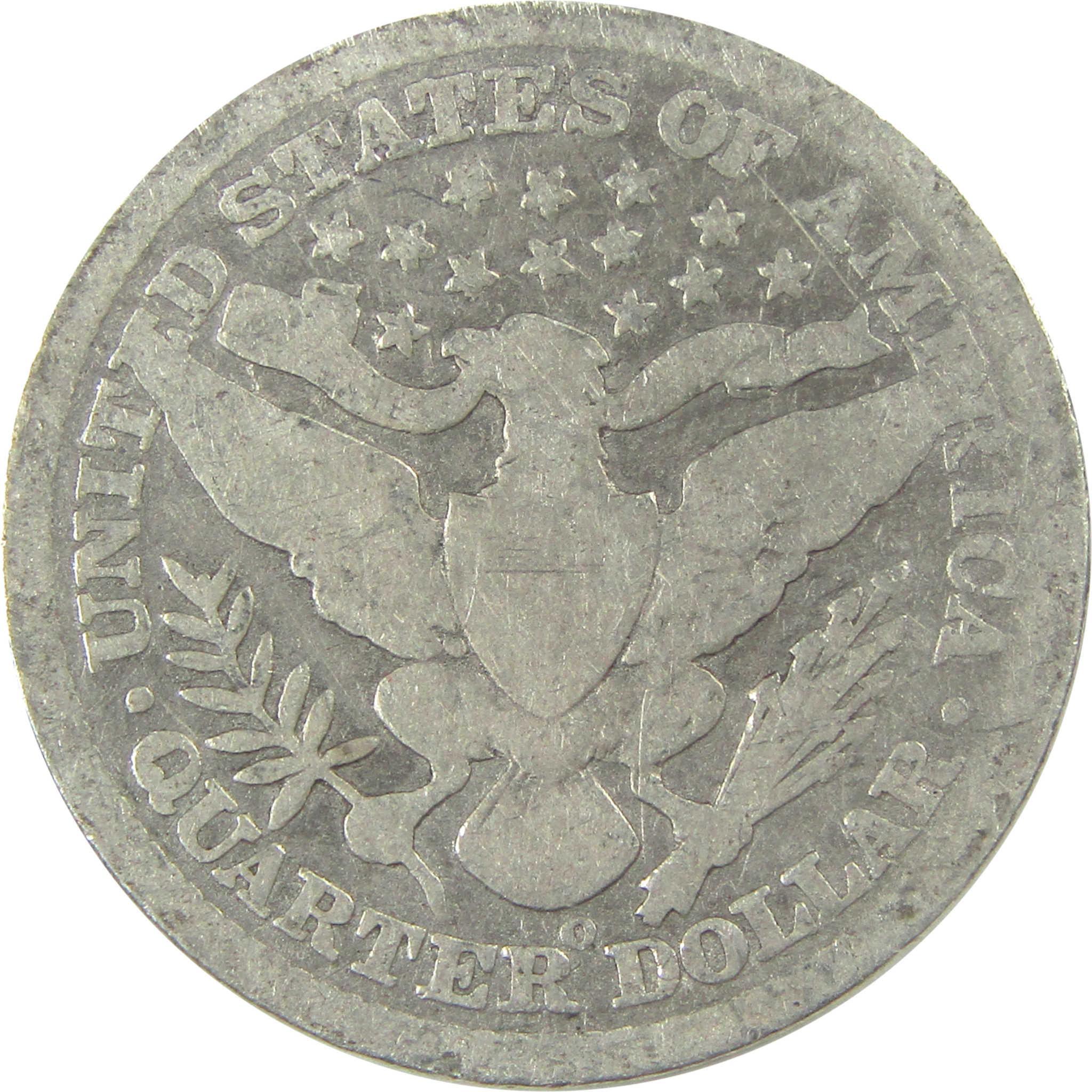
1896 O Barber Quarter AG About Good Silver 25c Coin SKU:I21851
Sale price$53.99
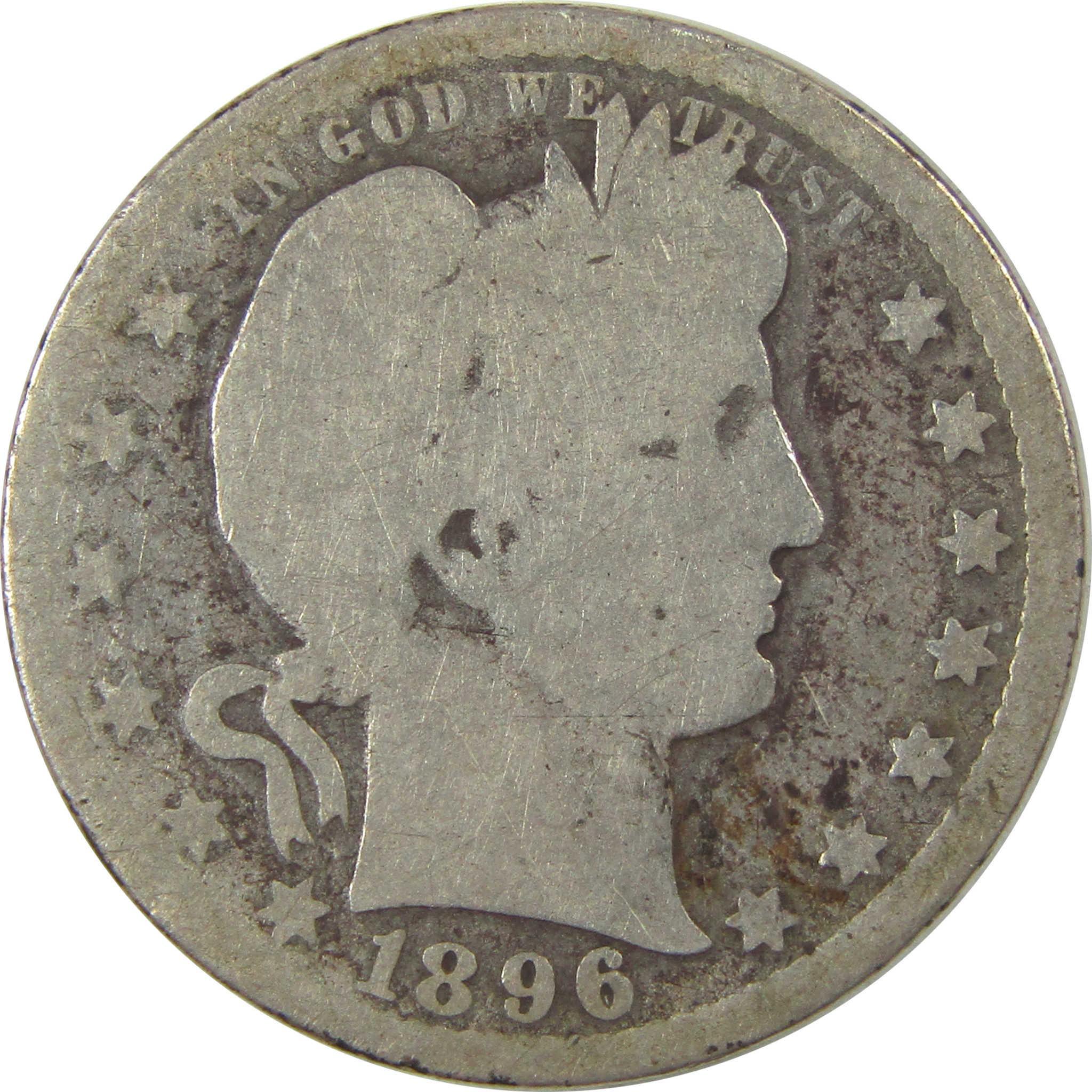
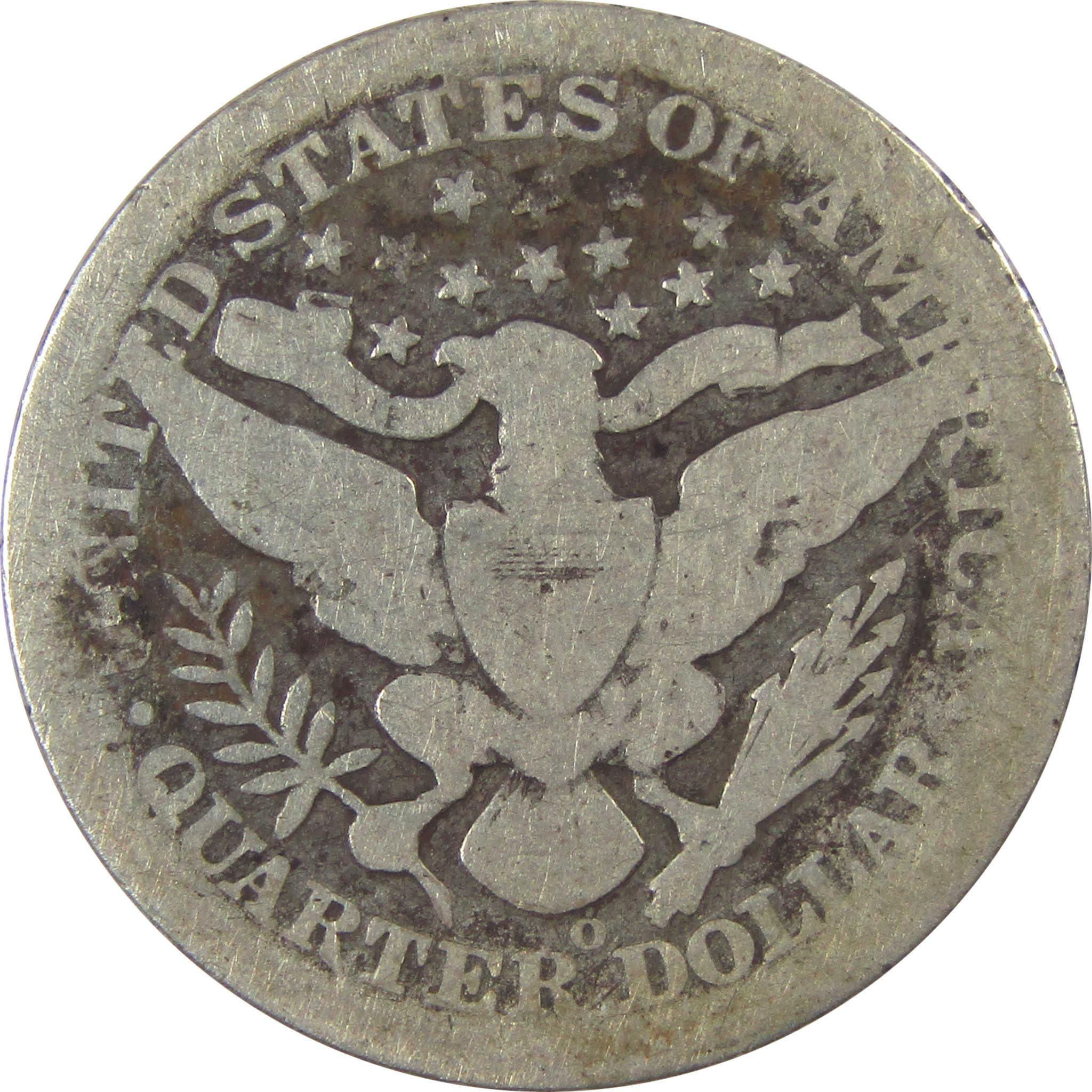
1896 O Barber Quarter AG About Good Silver 25c Coin SKU:I21868
Sale price$48.99
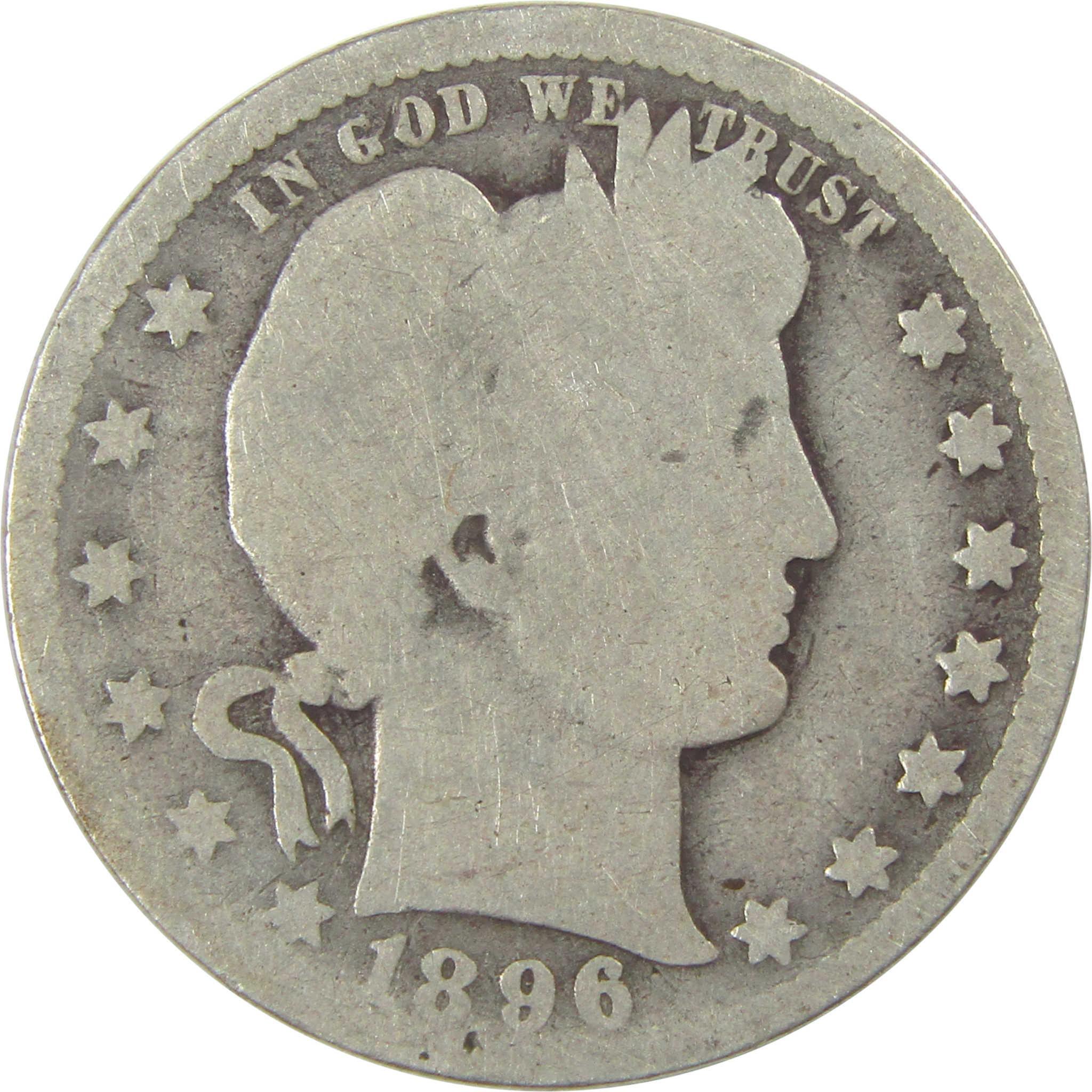
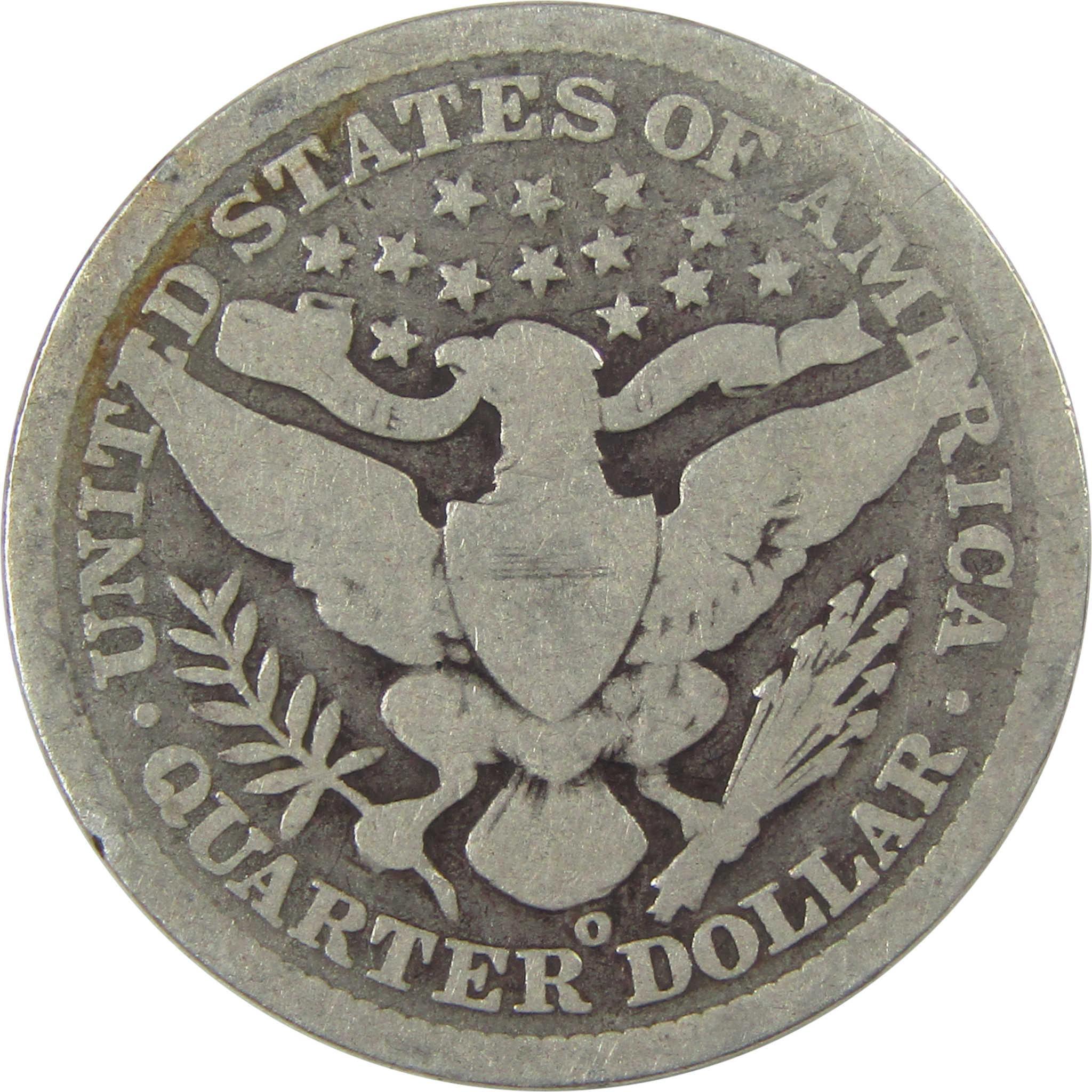
1896 O Barber Quarter AG About Good Silver 25c Coin SKU:I21870
Sale price$53.99
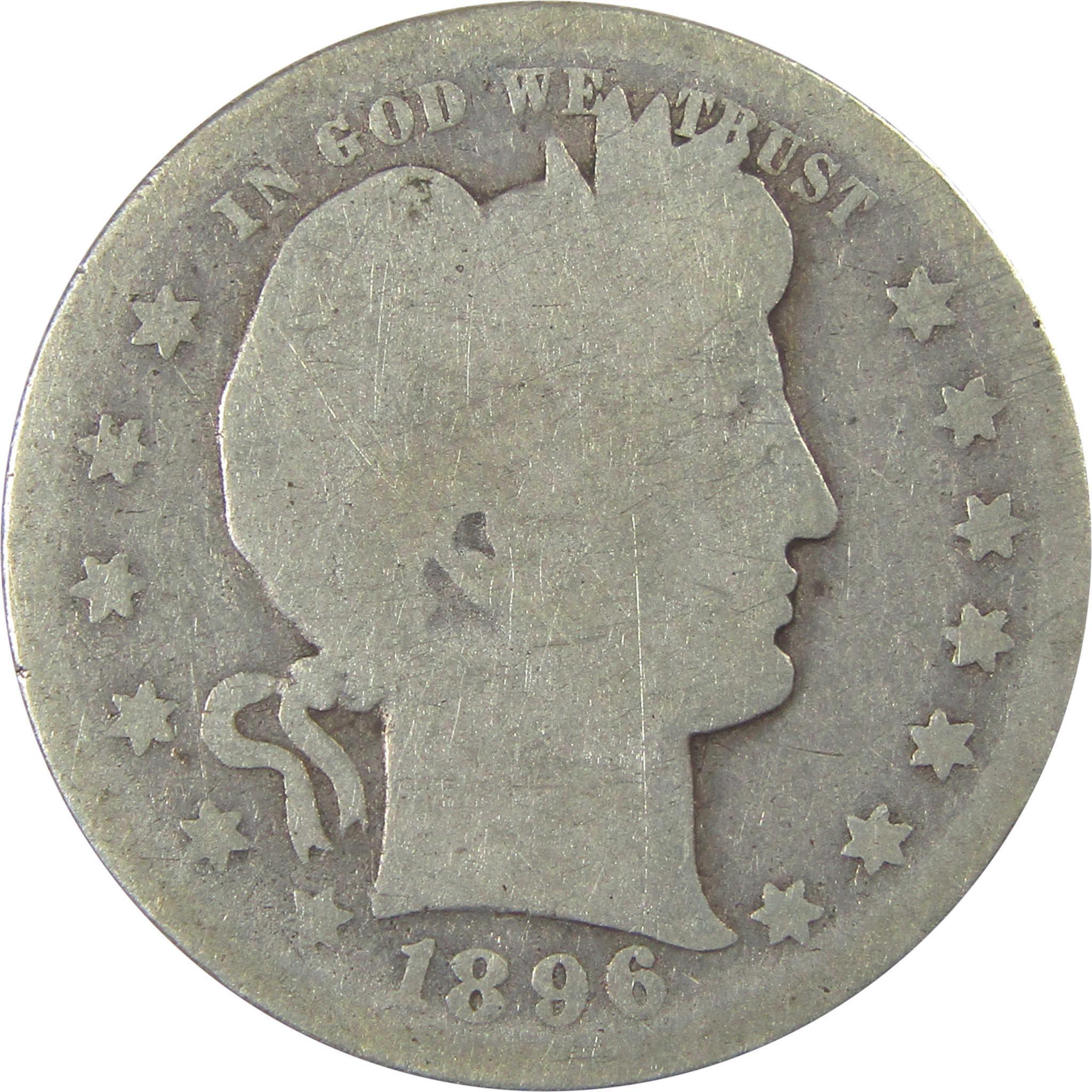
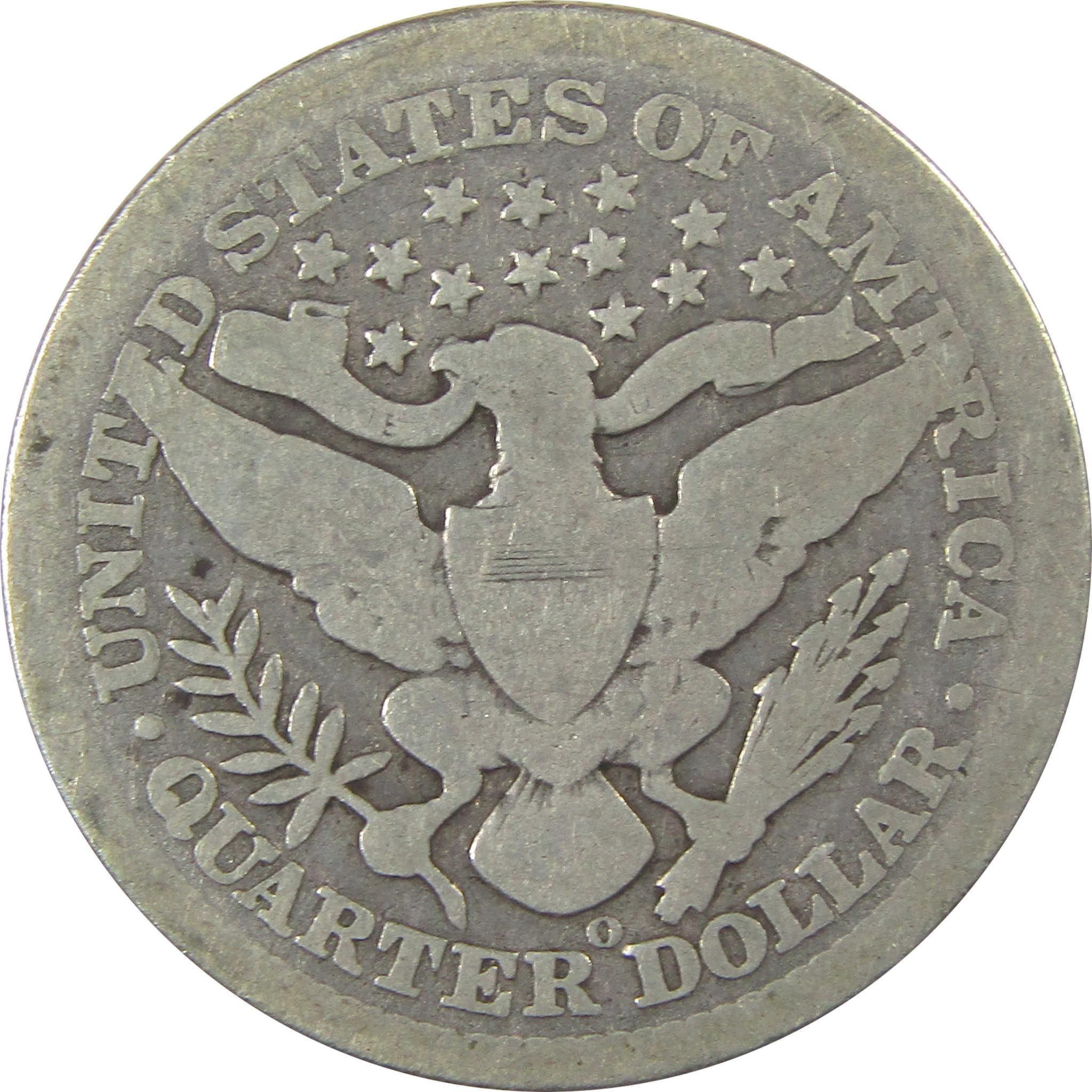
1896 O Barber Quarter AG About Good Silver 25c Coin SKU:I21871
Sale price$53.99
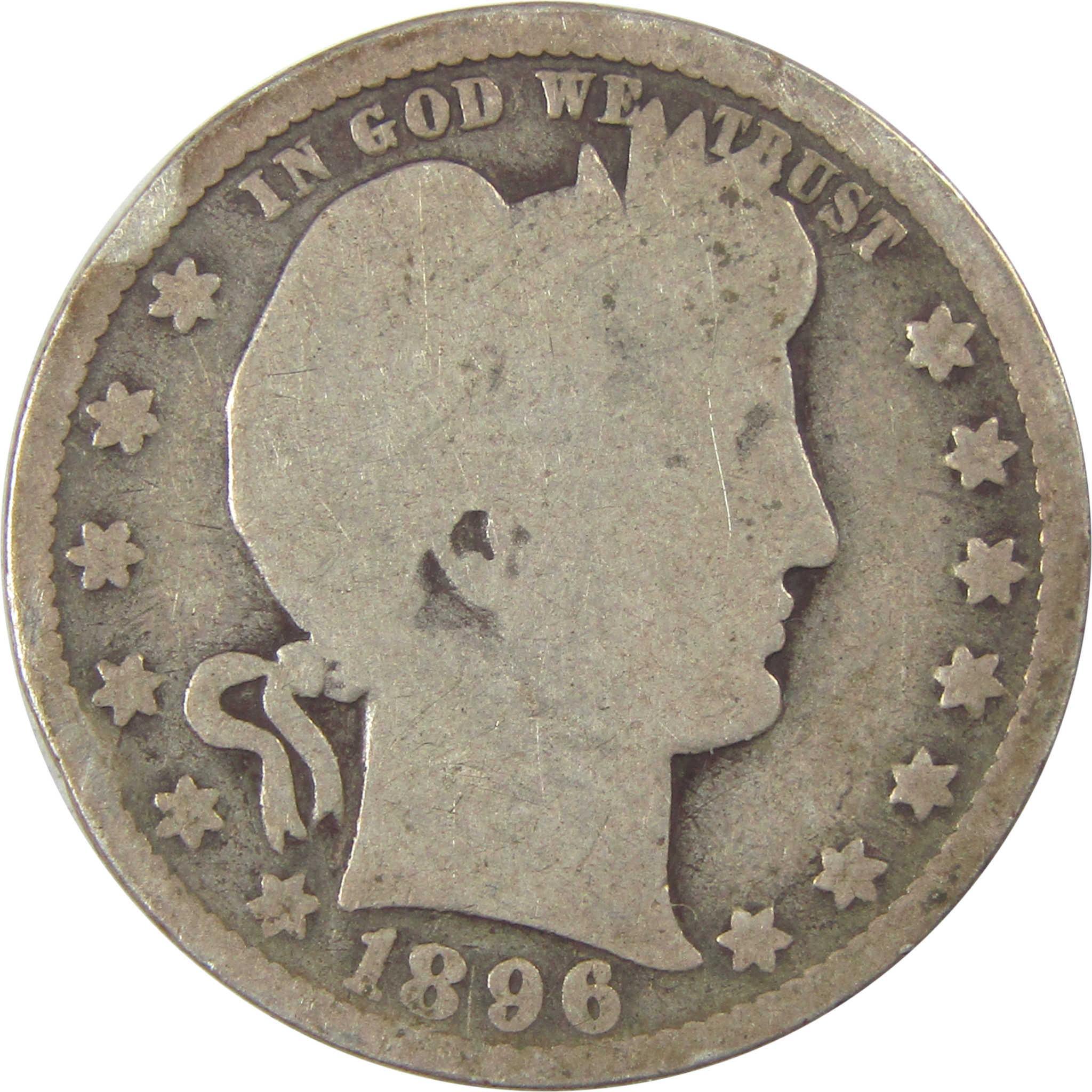
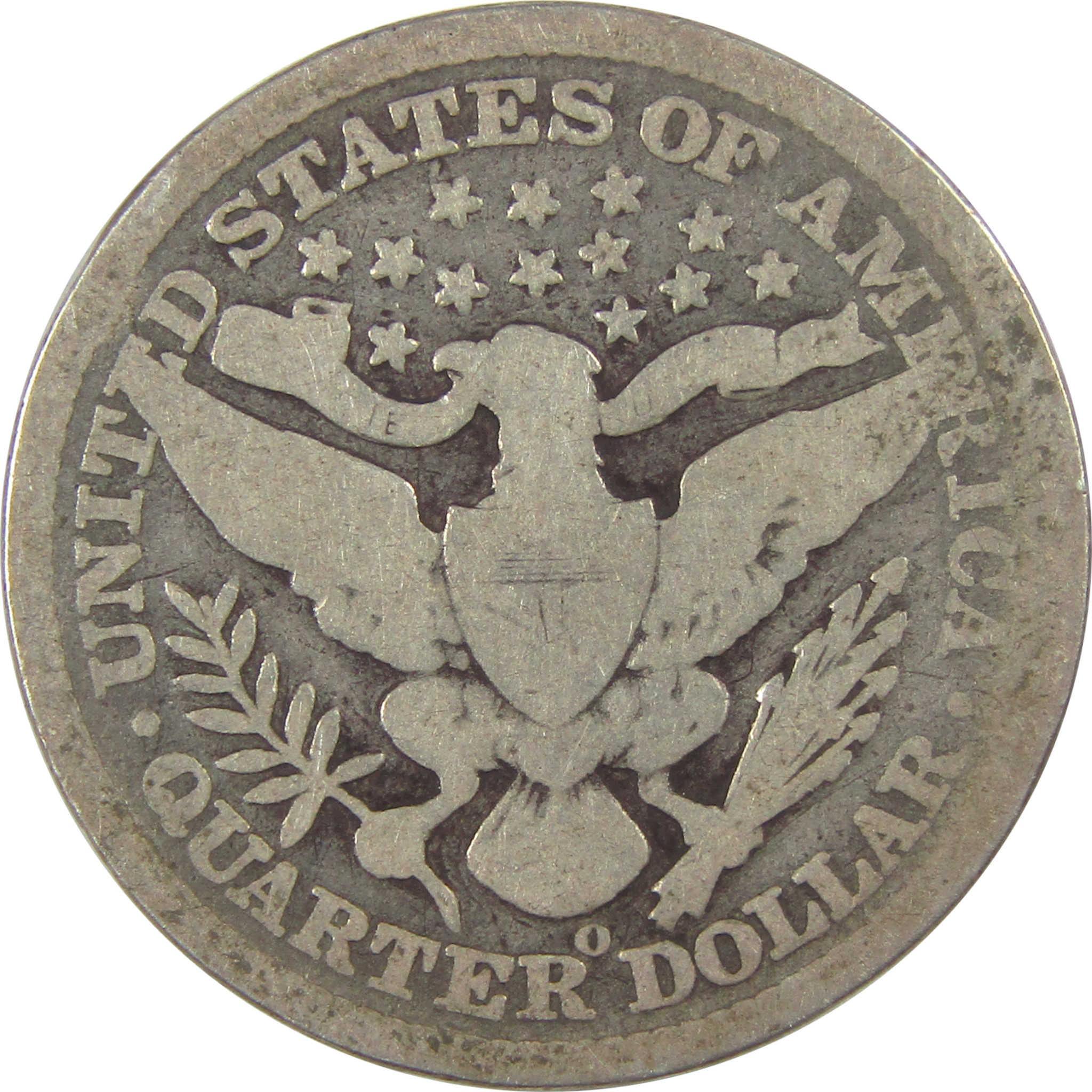
1896 O Barber Quarter AG About Good Silver 25c Coin SKU:I21872
Sale price$53.99
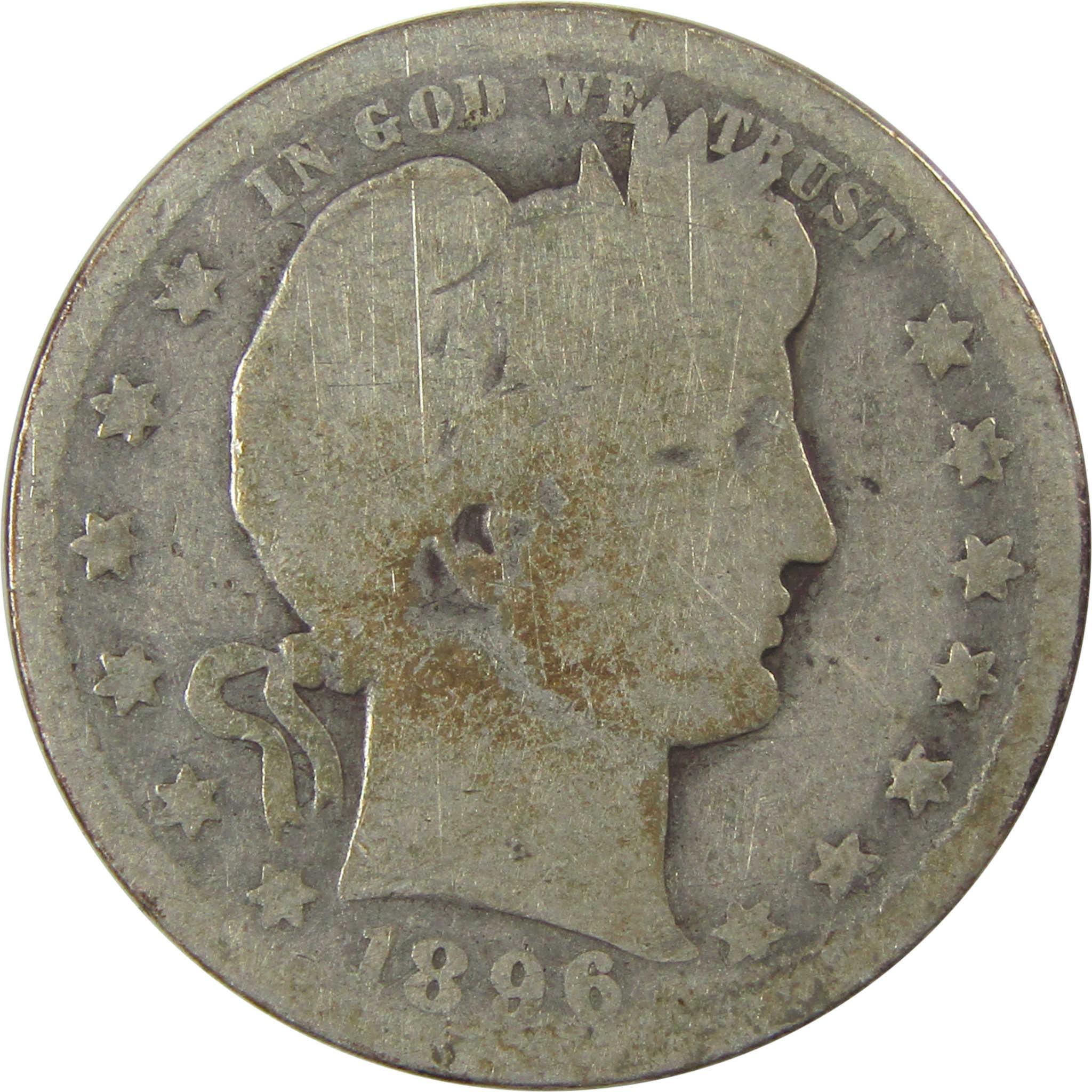
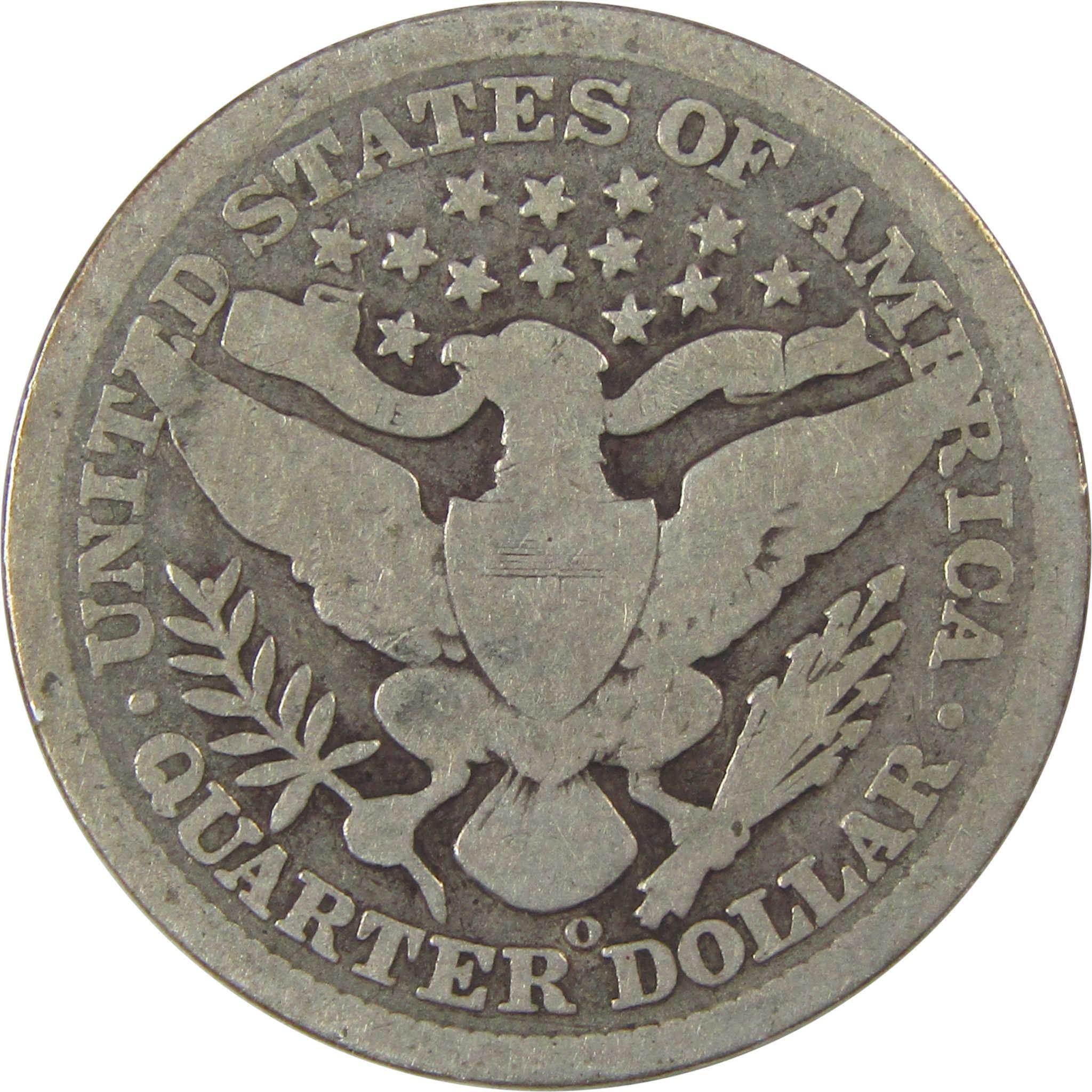
1896 O Barber Quarter AG About Good Silver 25c Coin SKU:I21873
Sale price$48.99
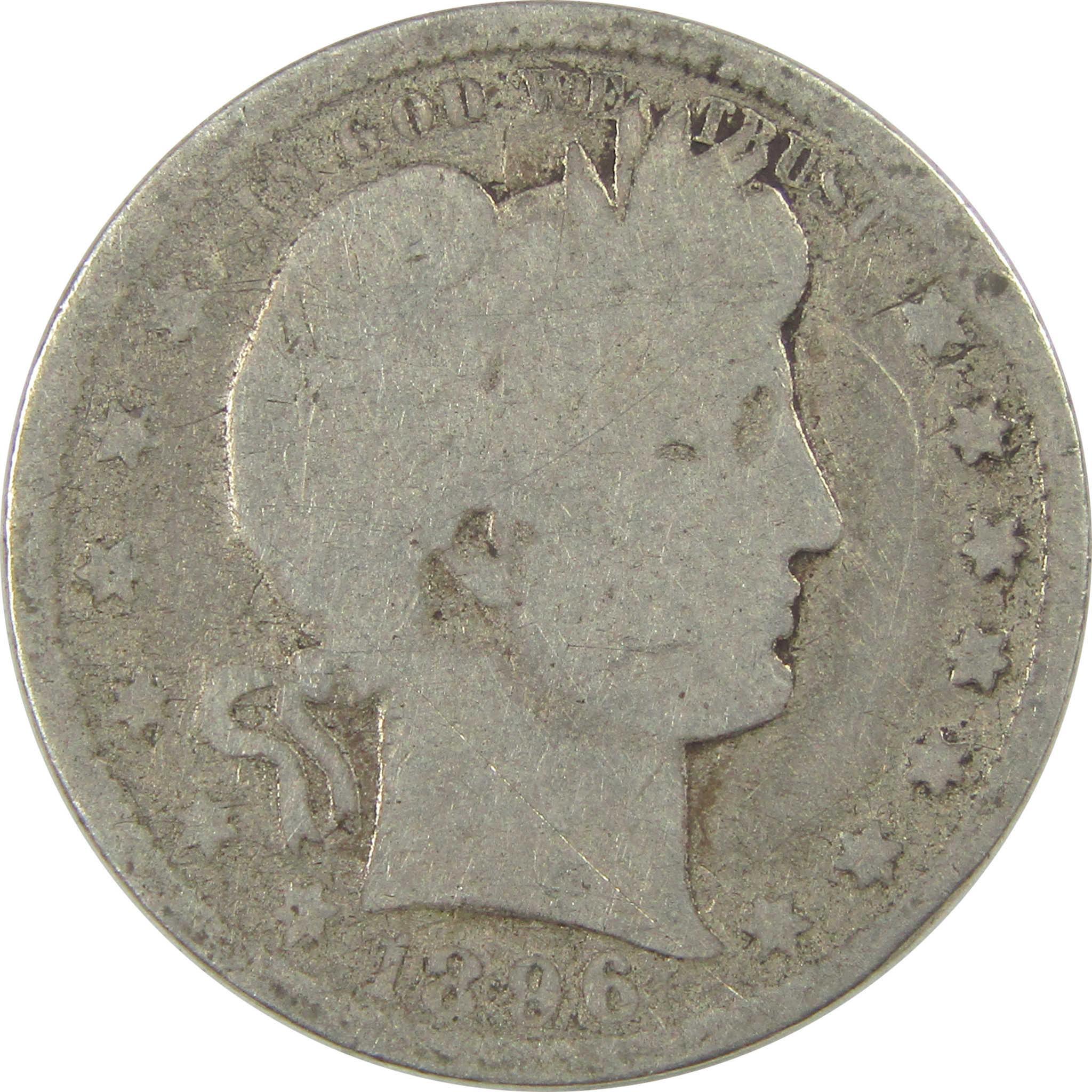
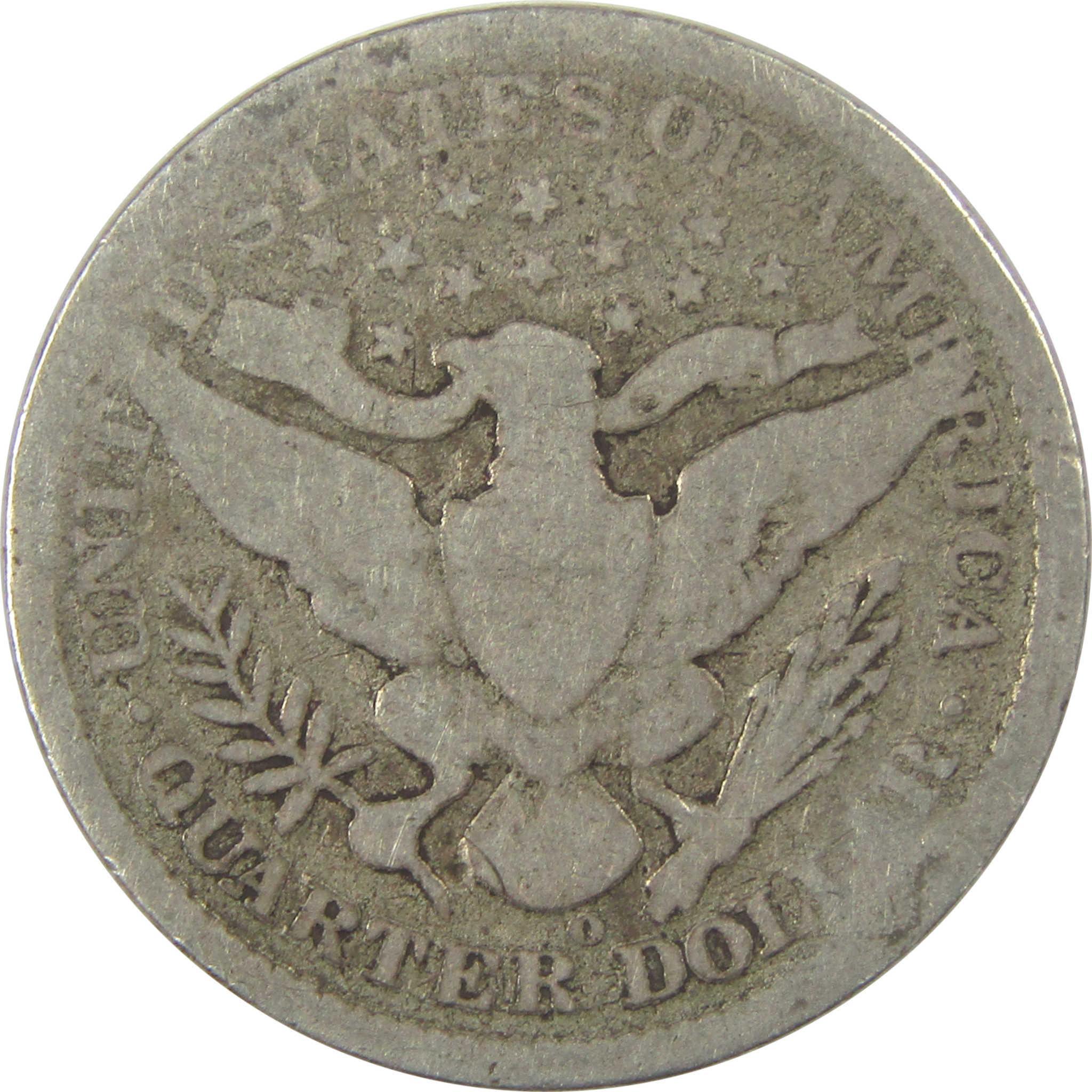
1896 O Barber Quarter AG About Good Silver 25c Coin SKU:I21874
Sale price$48.99
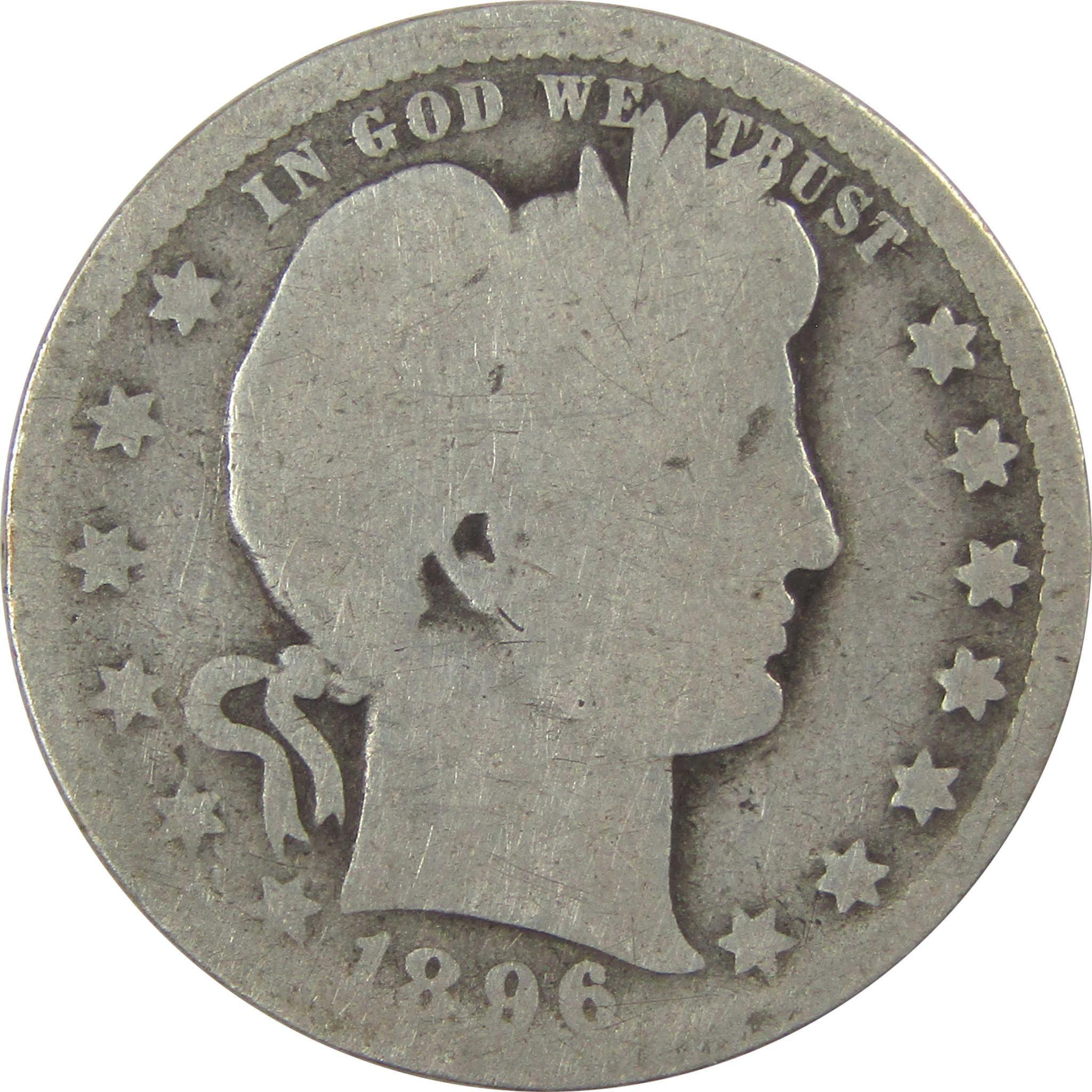
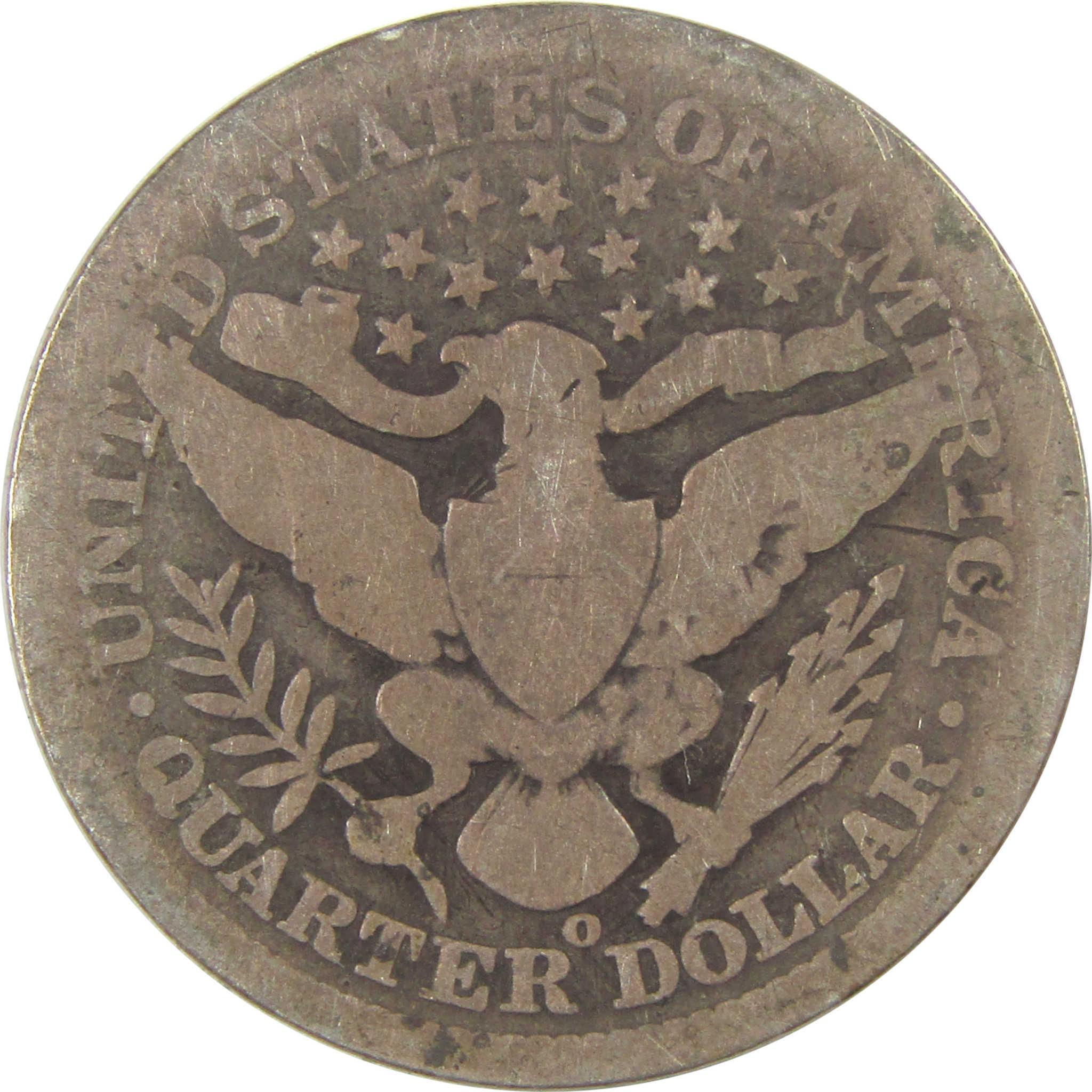
1896 O Barber Quarter AG About Good Silver 25c Coin SKU:I21877
Sale price$48.99