

St. Patrick’s Day is often associated with green clothing, parades, and celebration—but its roots run far deeper. Long before modern festivities, the day was shaped by traditions centered on luck, protection, balance, and perseverance, expressed through symbols that have appeared across cultures for centuries.
Many of those symbols—animals, numbers, and precious materials—also found their way onto coins. Not as novelty or superstition, but as meaningful expressions of belief, stability, and hope. Understanding these symbols helps explain why certain coins continue to resonate each March.
🍀 The Shamrock and the Origins of Irish Symbolism
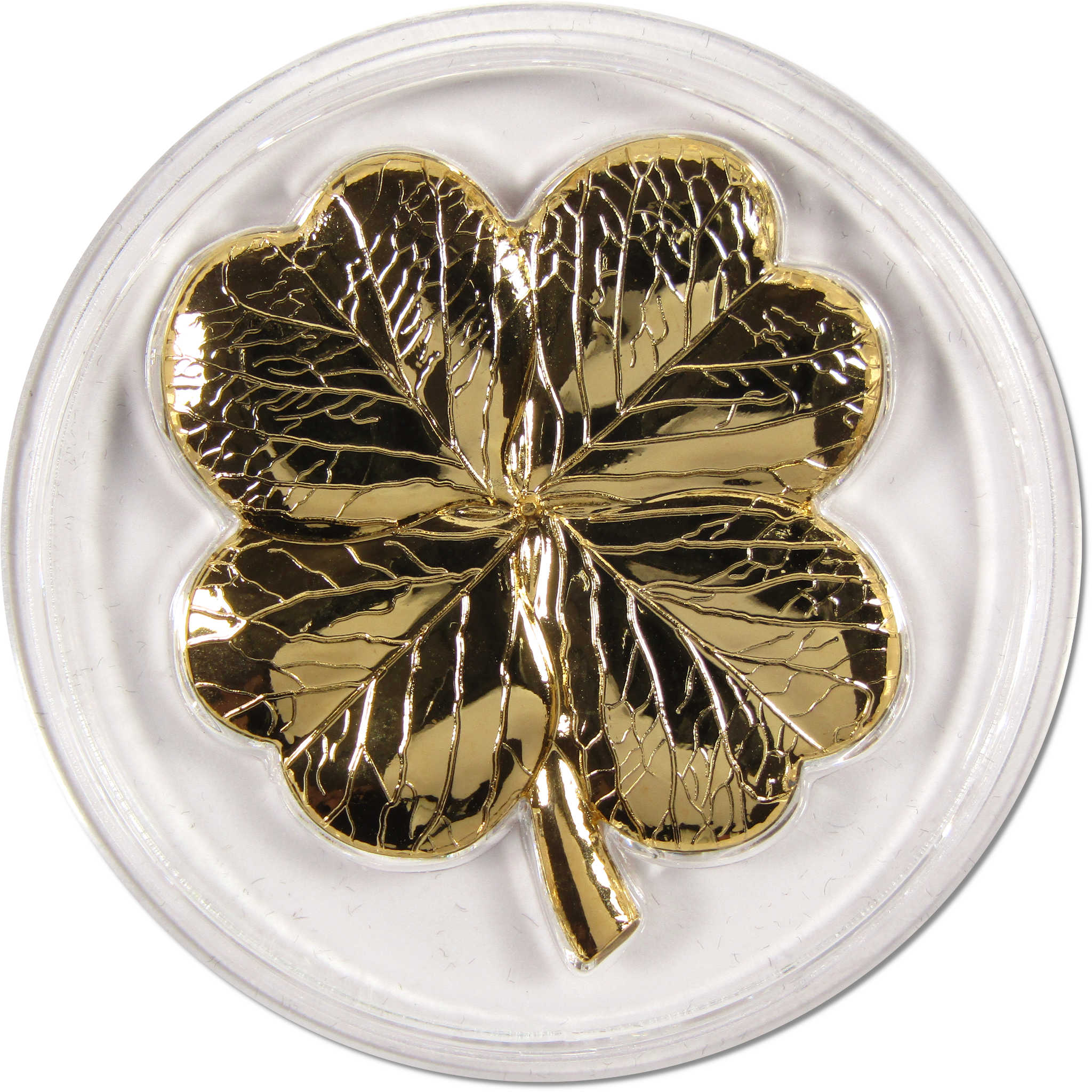
The shamrock is inseparable from St. Patrick’s Day, yet its meaning is often oversimplified. Traditionally, St. Patrick used the three leaves of the shamrock to represent unity and balance—ideas that became foundational in Irish storytelling and belief systems.
This emphasis on three appears repeatedly in Celtic tradition, where the number represents harmony, completeness, and order. It’s why triple spirals, knotwork, and repeating groupings are so common in early Irish art.
|
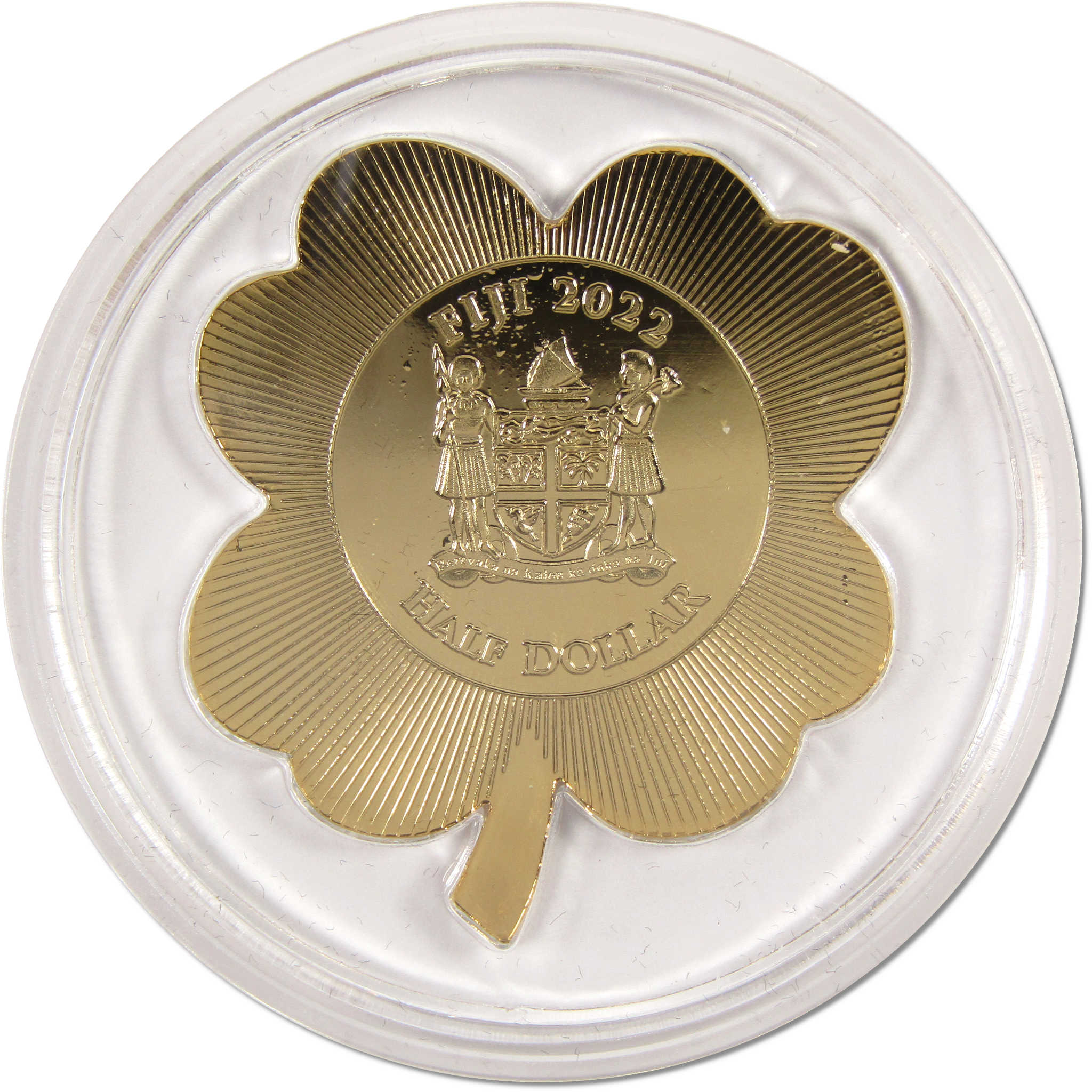
Over time, the four‑leaf clover emerged as a rarer symbol associated with good fortune—its scarcity reinforcing the idea that luck is something discovered, not guaranteed.
🔢 Why the Number Three Matters
Among all numbers associated with St. Patrick’s Day, three stands apart. Across Irish and broader European traditions, three symbolizes balance between forces—mind, body, and spirit; past, present, and future.
In coin collecting, this symbolism appears most directly in the U.S. Three‑Cent Silver, commonly known as the trime. The coin is defined entirely by its denomination, with the Roman numeral III boldly incorporated into its design. While it was never struck as a lucky charm, its structure makes it one of the clearest numeric reflections of Irish symbolic tradition.
 
|
Sometimes meaning in numismatics comes not from intention, but from alignment.
🐎 Lucky Animals and What They Represent
Animals have long served as symbols of fortune, guidance, and protection. Across cultures and throughout history, they appear on coins not merely as decoration, but as meaningful messengers carrying ideals of prosperity, resilience, and spiritual significance.
-
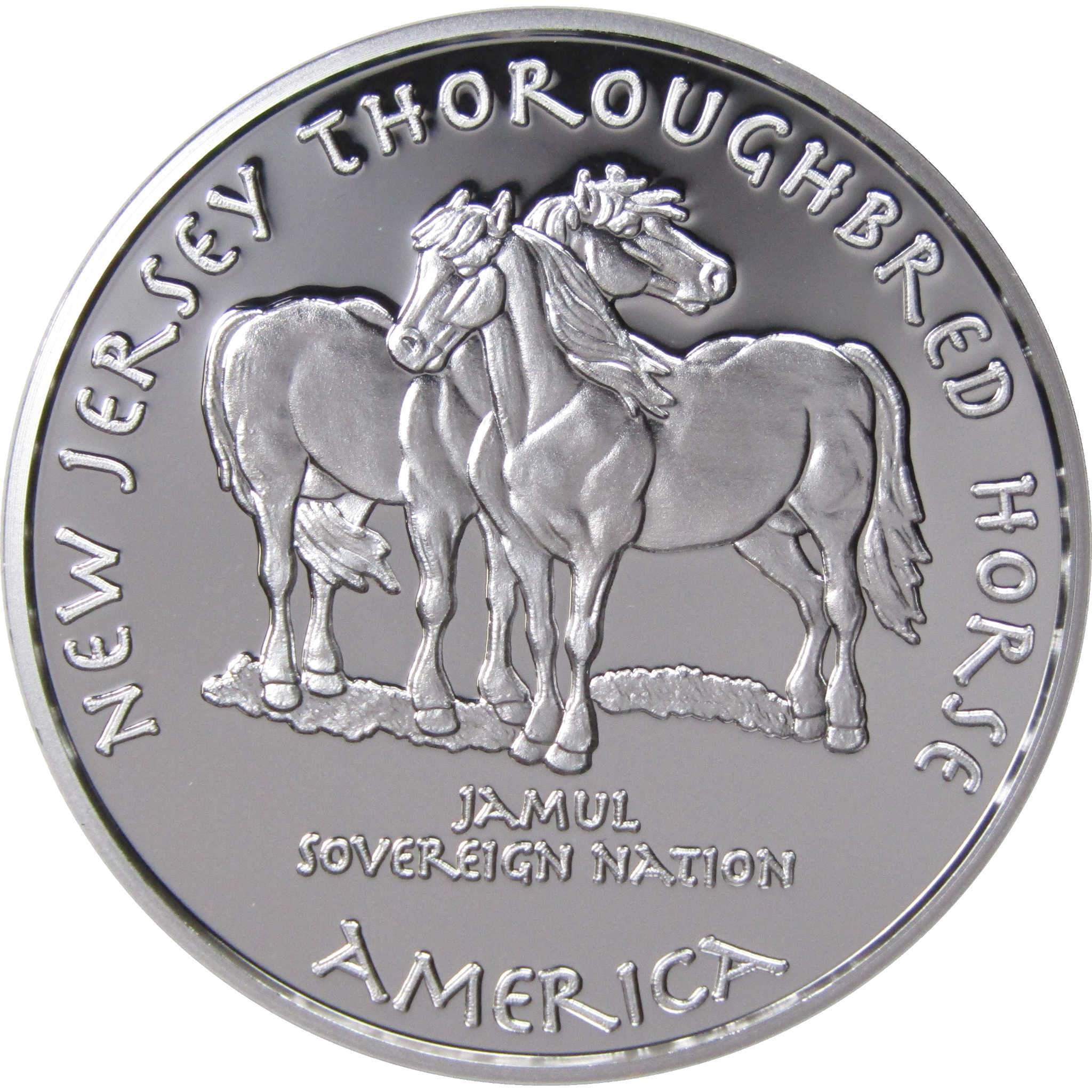
Horses — Movement, Strength & Safe Passage
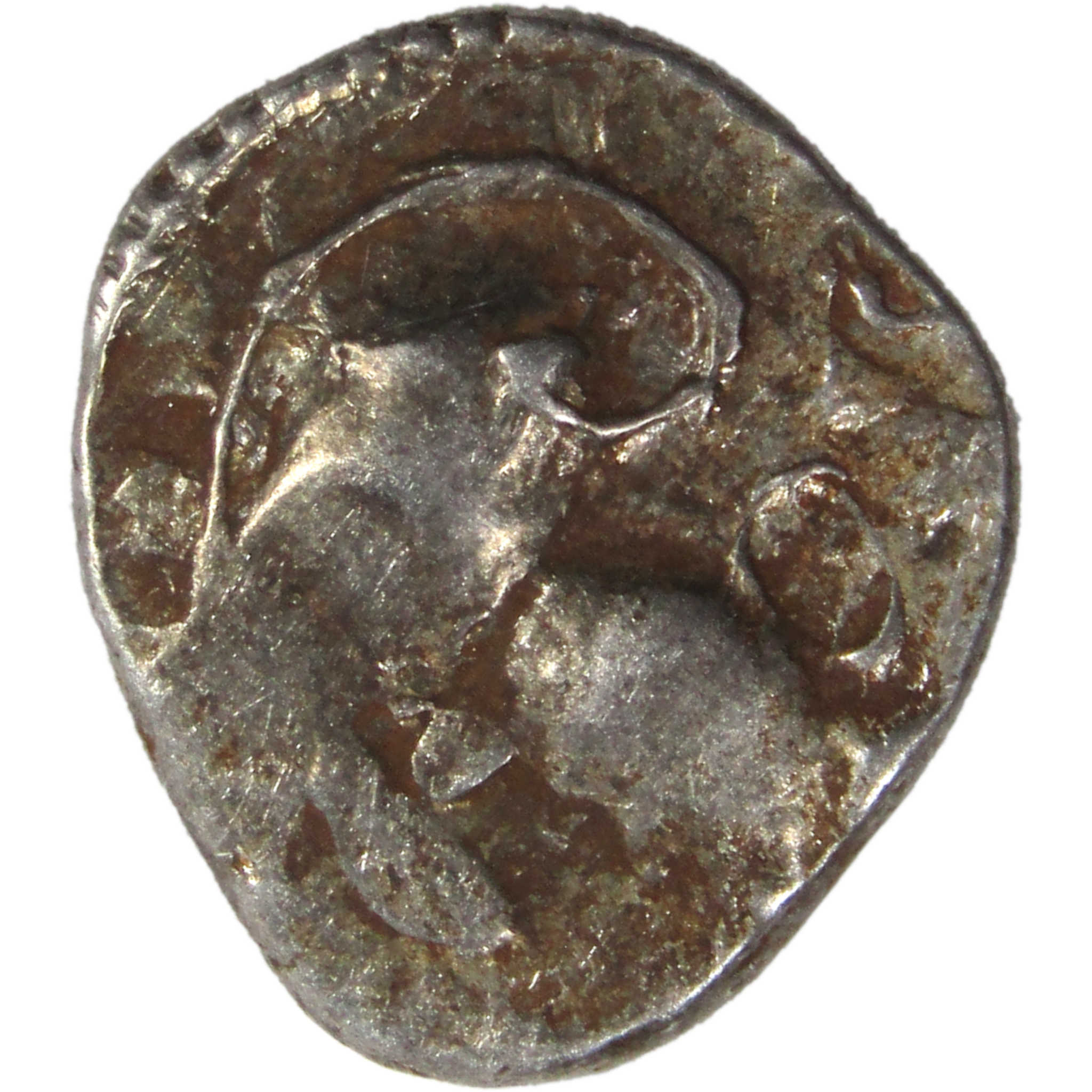
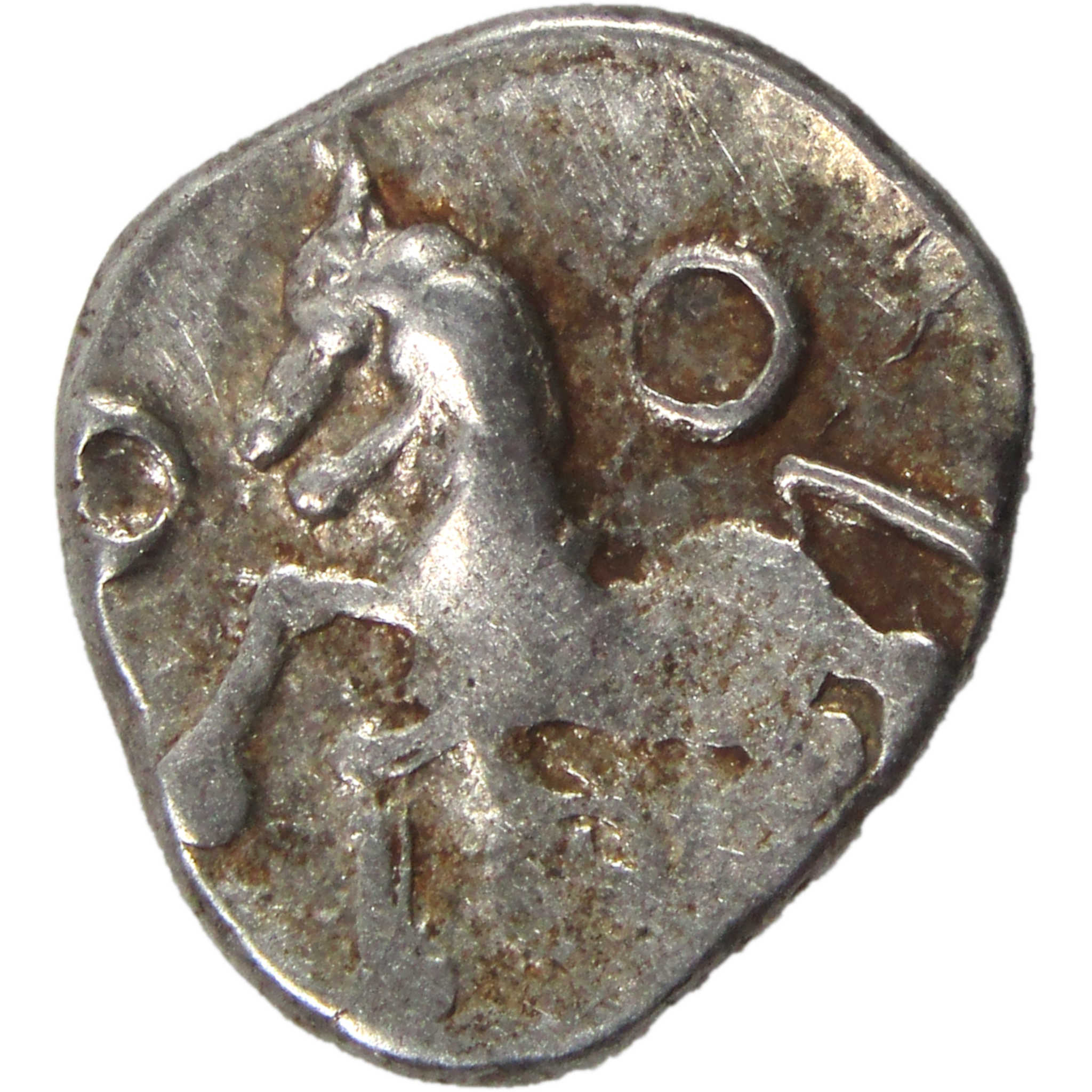
Deeply rooted in Celtic tradition, horses symbolized power, endurance, and the ability to traverse both physical and spiritual terrain. Their appearance on ancient Celtic coinage invoked protection, prosperity, and forward momentum.
-
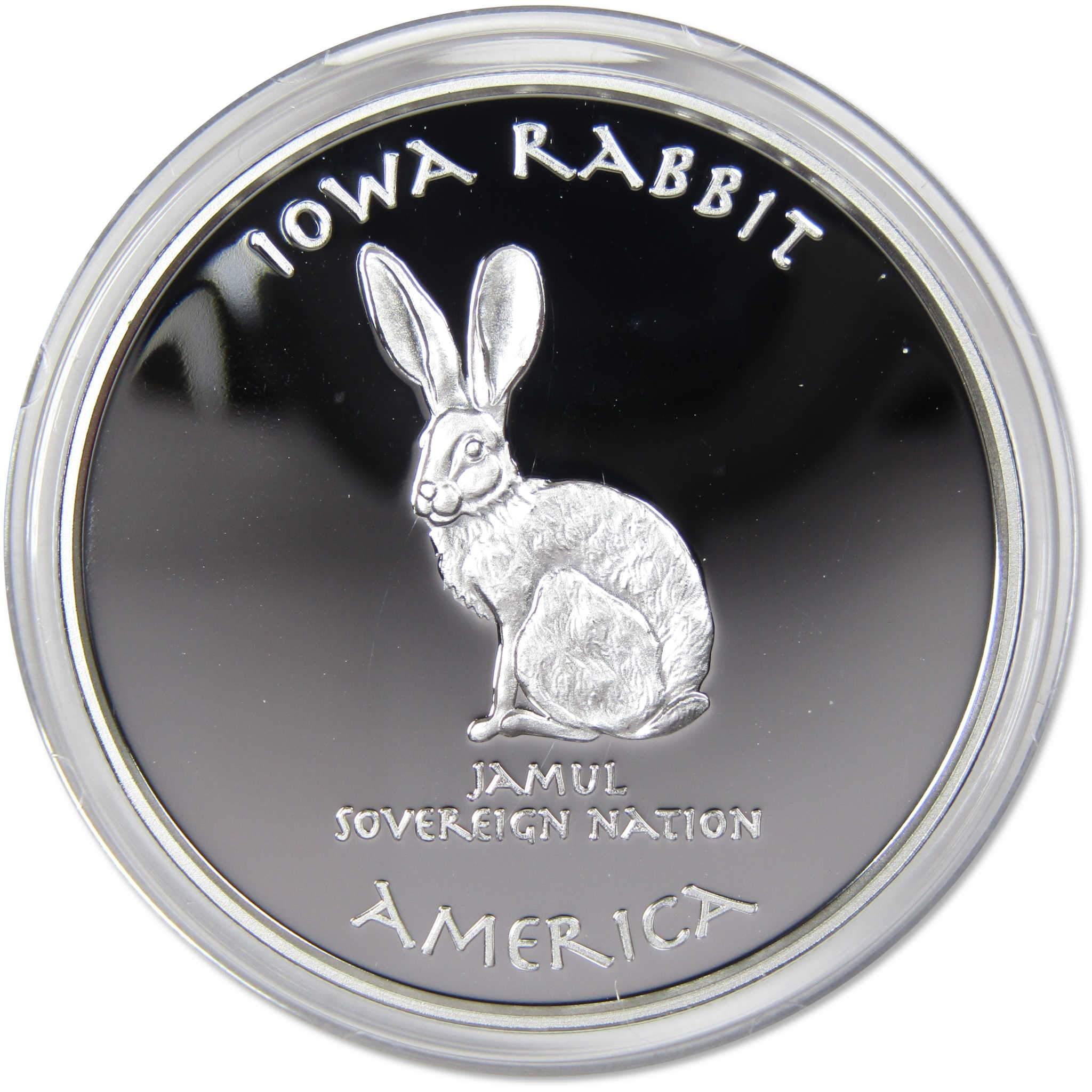
Rabbits — Renewal, Fertility & Opportunity
A long‑standing emblem of luck in European folklore, the rabbit represents cycles of rebirth, creativity, and new beginnings. Their presence is often tied to opportunity and fresh starts.
-
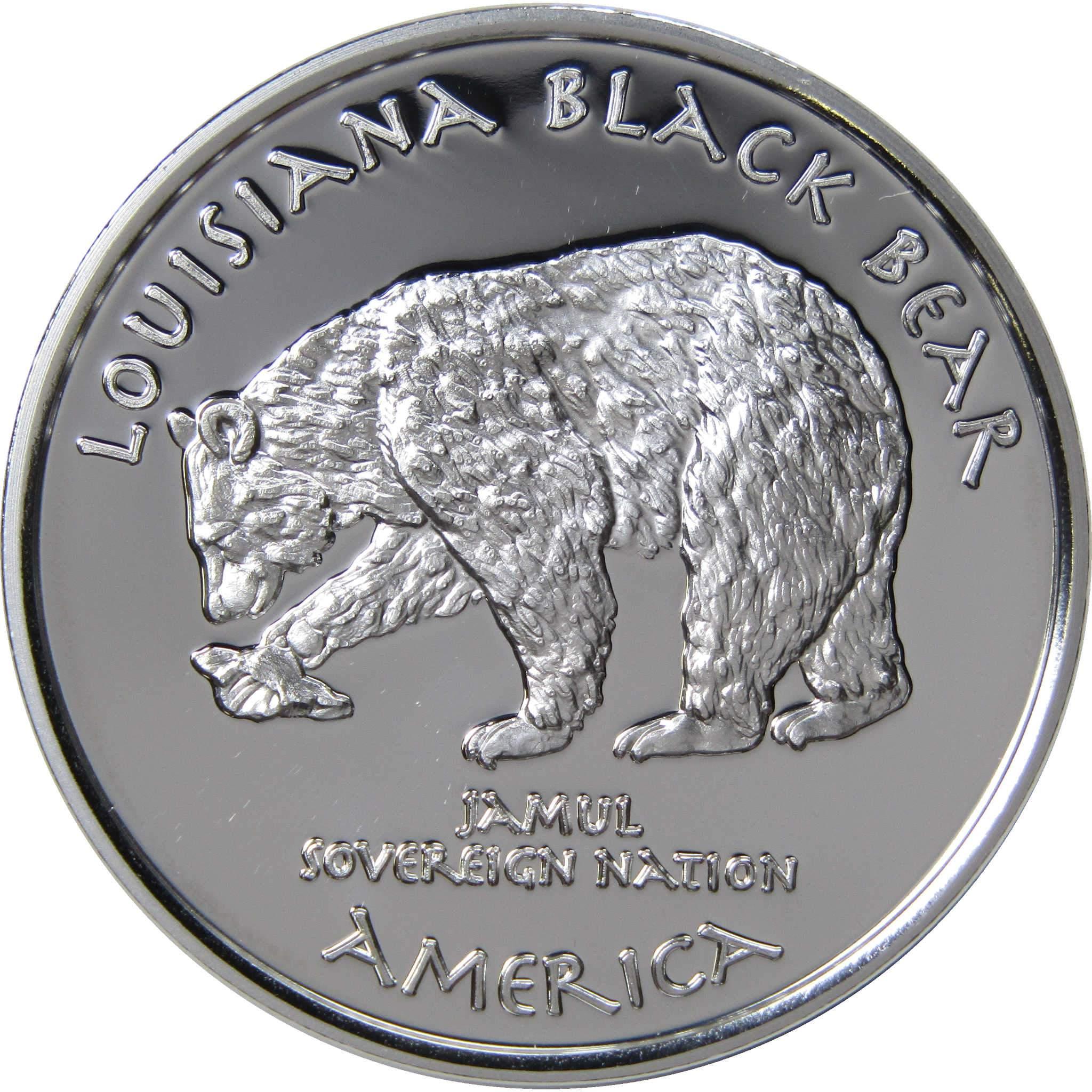
Bears — Strength, Endurance & Protective Luck
Viewed as guardians of the wilderness, bears symbolize courage, resilience, and powerful protection. Their form of “luck” is rooted in fortitude and the ability to overcome adversity.
-
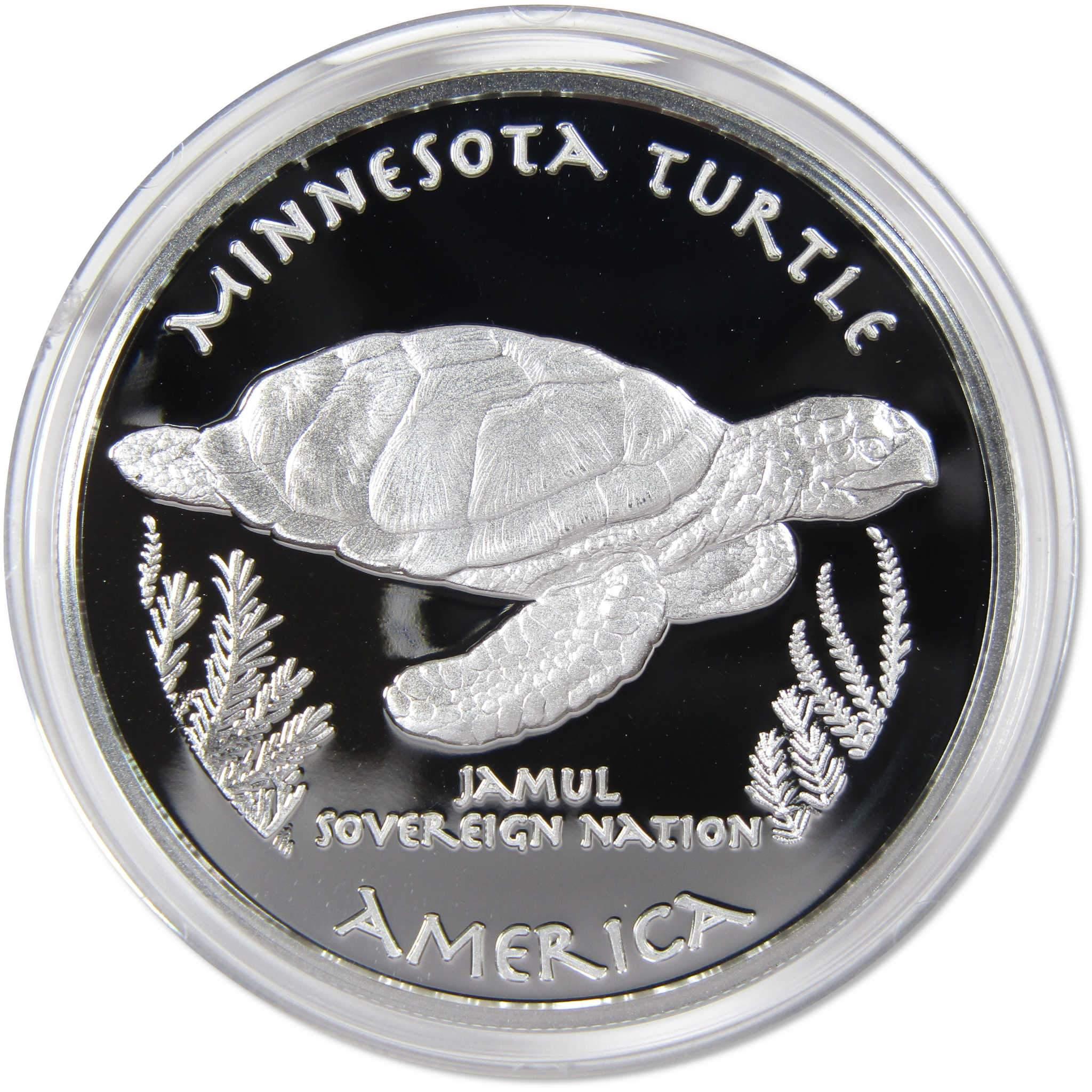
Turtles — Longevity, Patience & Steady Good Fortune
Across cultures, turtles embody endurance, long life, and protection. They reflect slow‑earned success and stable prosperity—quiet, meaningful luck rather than something fleeting or flashy. -
Eagles & Heraldic Creatures — Authority, Stability & Lasting Triumph
Often found on shields, crests, and historical coinage, eagles and other heraldic animals stand for strength, leadership, and enduring victory. Their symbolism points toward long‑term success, honor, and stability.
 |
|
 |
 |
 |
These symbols remind us that luck was rarely thought of as random. Instead, it was something built through perseverance, balance, and protection.
🛡️ Ancient Tribal Symbolism & the Power of the Horse
For the Celtic Sequani people, the horse represented strength, mobility, and warrior prestige—attributes vital to a tribe navigating shifting alliances and conflicts leading into Julius Caesar’s Gallic campaigns. This makes the Sequani Quinarius a powerful historical echo of the same themes celebrated on St. Patrick’s Day: protection, perseverance, and the balance between chaos and order.
|
📅 Lucky Dates and the Leap Year Effect
Certain moments in time carry a sense of rarity—especially those that interrupt the regular rhythm of the calendar. Leap years are one of those anomalies. With the addition of February 29, they mark a moment that occurs only once every four years, creating a built‑in sense of distinction.
Coins dated during leap years inherit a bit of that uniqueness. Whether it’s a cent, nickel, dime, quarter, dollar, or world coinage, any piece minted in a leap‑year date naturally ties itself to this uncommon moment. While these coins were never intended to be symbolic, collectors often appreciate the quiet connection to timing, opportunity, and the idea of “being struck at just the right moment.”
It’s a subtle kind of luck—one rooted not in myth, but in the rarity of time itself.
🪙 Gold, Not as Excess—but Meaning
Gold has always symbolized prosperity and achievement, but within tradition it also conveys reward and endurance. In the context of St. Patrick’s Day symbolism, gold works best as an accent, echoing the familiar “pot of gold” imagery while reinforcing the idea that fortune is something earned and preserved.
  |
When paired with historic silver and symbolic designs, gold adds balance rather than spectacle—an important distinction rooted in tradition.
🍀 Closing Thought
St. Patrick’s Day has never been just about luck. It’s about belief, balance, protection, and persistence—ideas expressed through symbols that have traveled across centuries and cultures.
If you’d like to explore these ideas further, check out our curated St. Patrick’s Day collection to discover your next lucky coin.
Click on any photo to order.