Filters

Nickels

597 products

Showing 289 - 312 of 597 products

Showing 289 - 312 of 597 products
View
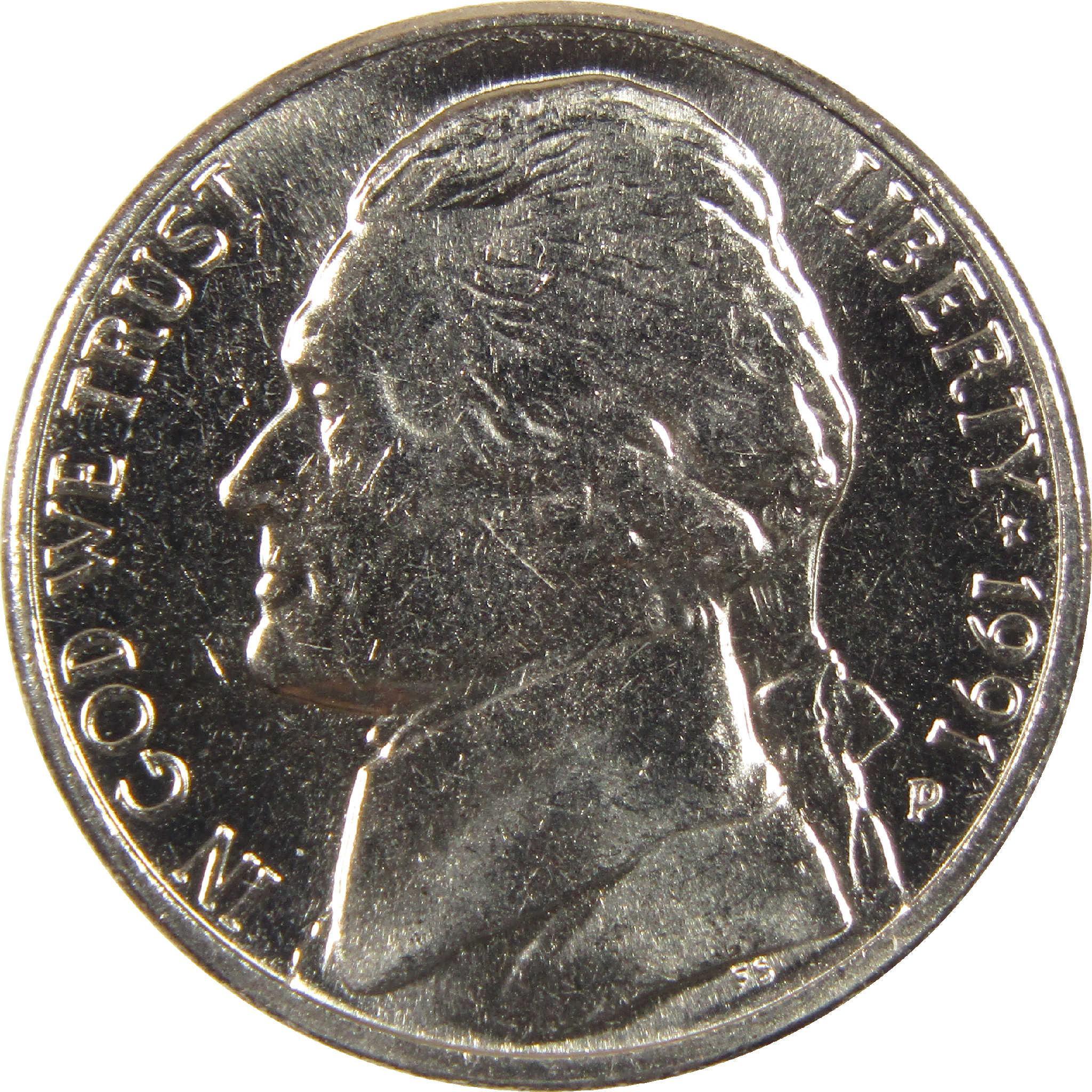
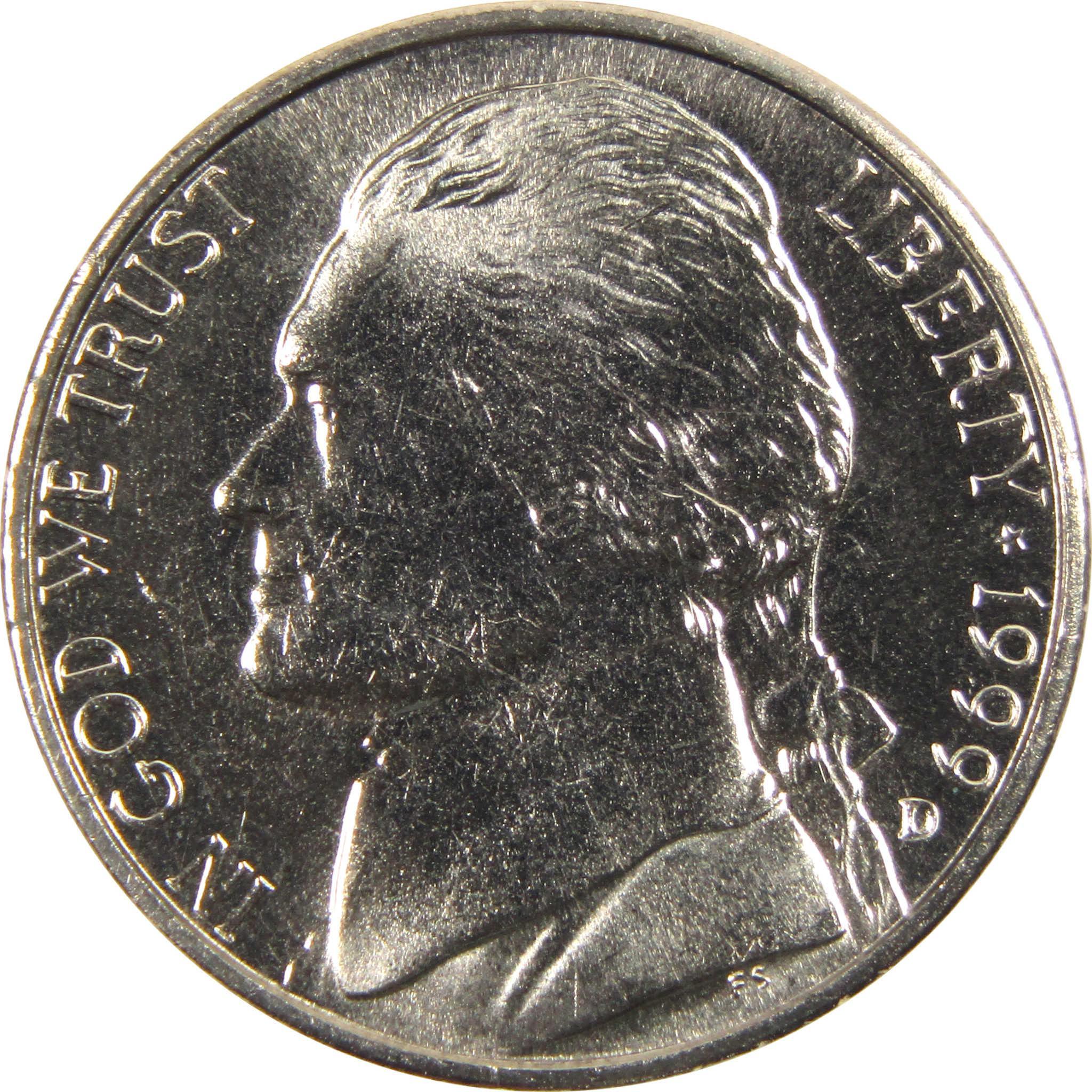
1999 D Jefferson Nickel BU Uncirculated 5c Coin1999 D Jefferson Nickel BU Uncirculated 5c Coin
2017 D Jefferson Nickel BU Uncirculated 5c Coin2017 D Jefferson Nickel BU Uncirculated 5c Coin
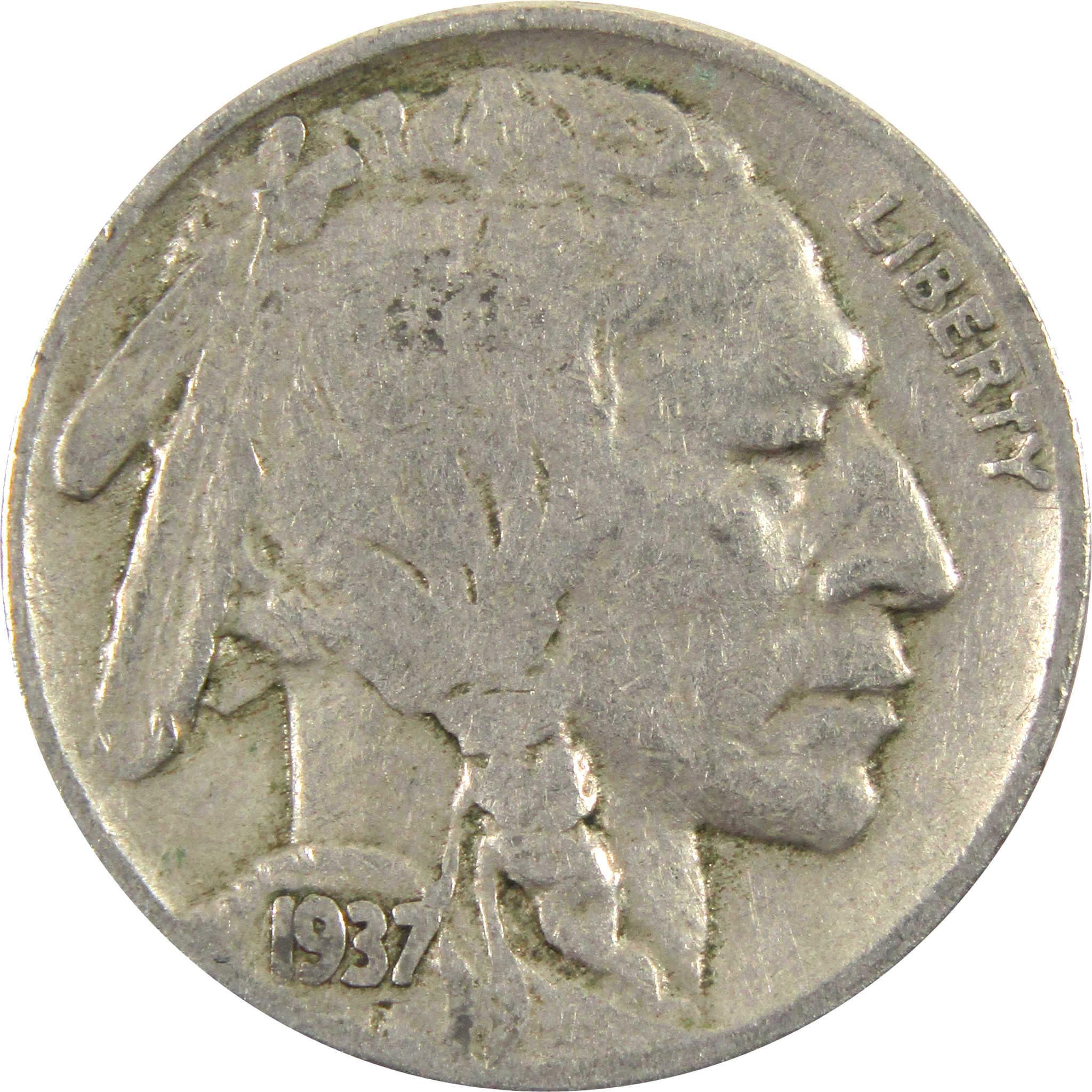
1936 Indian Head Buffalo Nickel F fine 5c Coin1936 Indian Head Buffalo Nickel F fine 5c Coin
1955 Jefferson Nickel PF 66 NGC Proof 5c Coin SKU:I206331955 Jefferson Nickel PF 66 NGC Proof 5c Coin SKU:I20633
1911 Liberty Head V Nickel AU About Uncirculated 5c Coin1911 Liberty Head V Nickel AU About Uncirculated 5c Coin
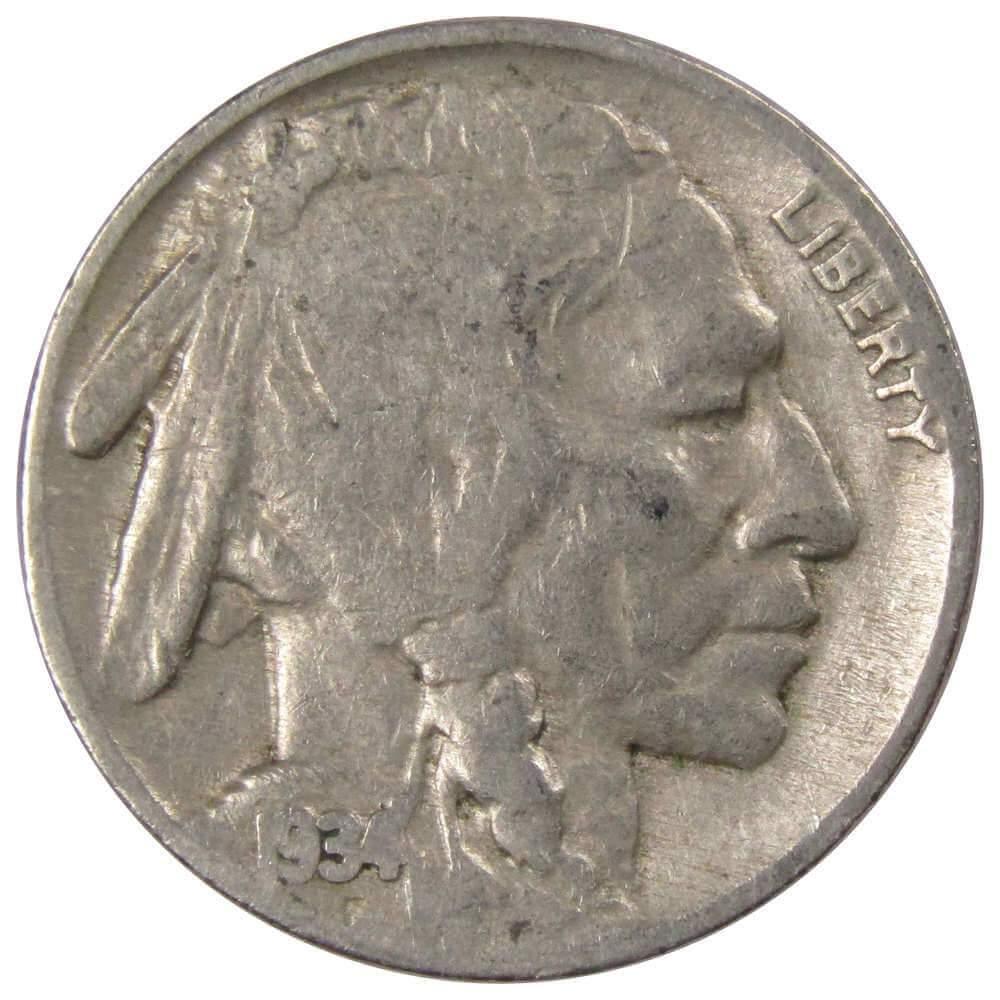
1934 Indian Head Buffalo Nickel G Good 5c Coin1934 Indian Head Buffalo Nickel G Good 5c Coin
1930 Indian Head Buffalo Nickel VG Very Good 5c Coin1930 Indian Head Buffalo Nickel VG Very Good 5c Coin
1929 Indian Head Buffalo Nickel G Good 5c Coin1929 Indian Head Buffalo Nickel G Good 5c Coin
2007 D Jefferson Nickel BU Uncirculated 5c Coin2007 D Jefferson Nickel BU Uncirculated 5c Coin
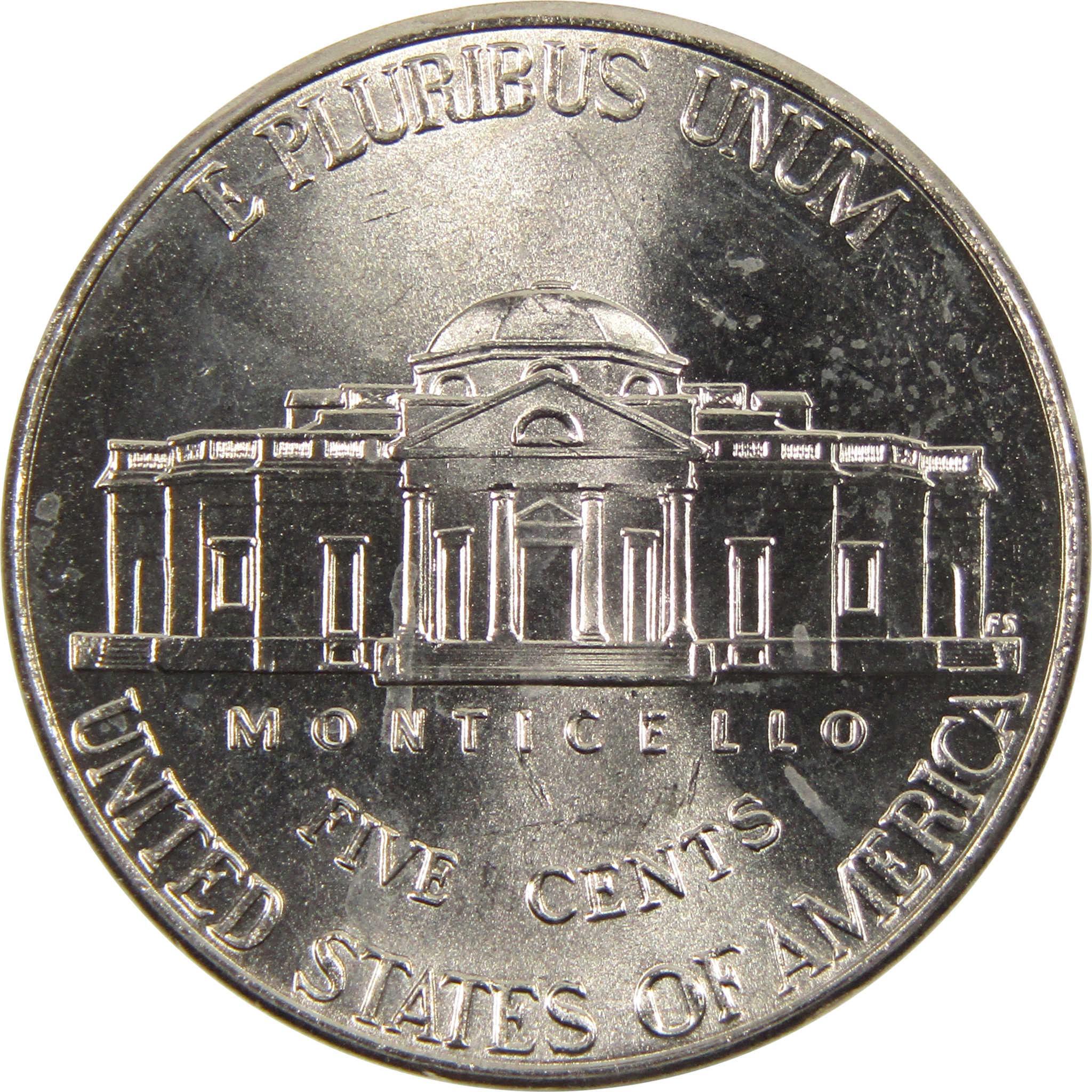
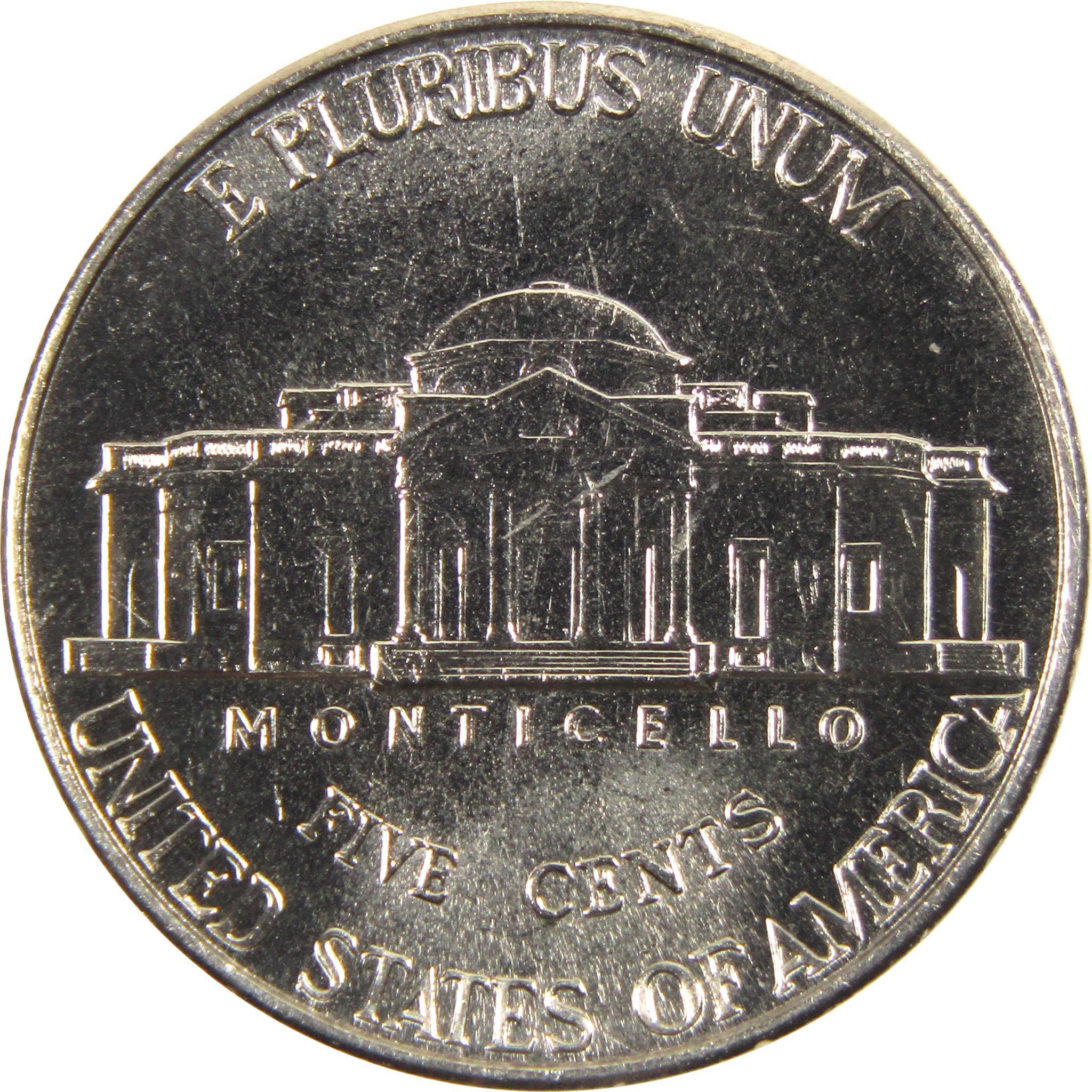
1995 D Jefferson nickel obverse, featuring Jefferson portrait, collectible US coinReverse of a Jefferson nickel featuring Monticello building and five cents denomination
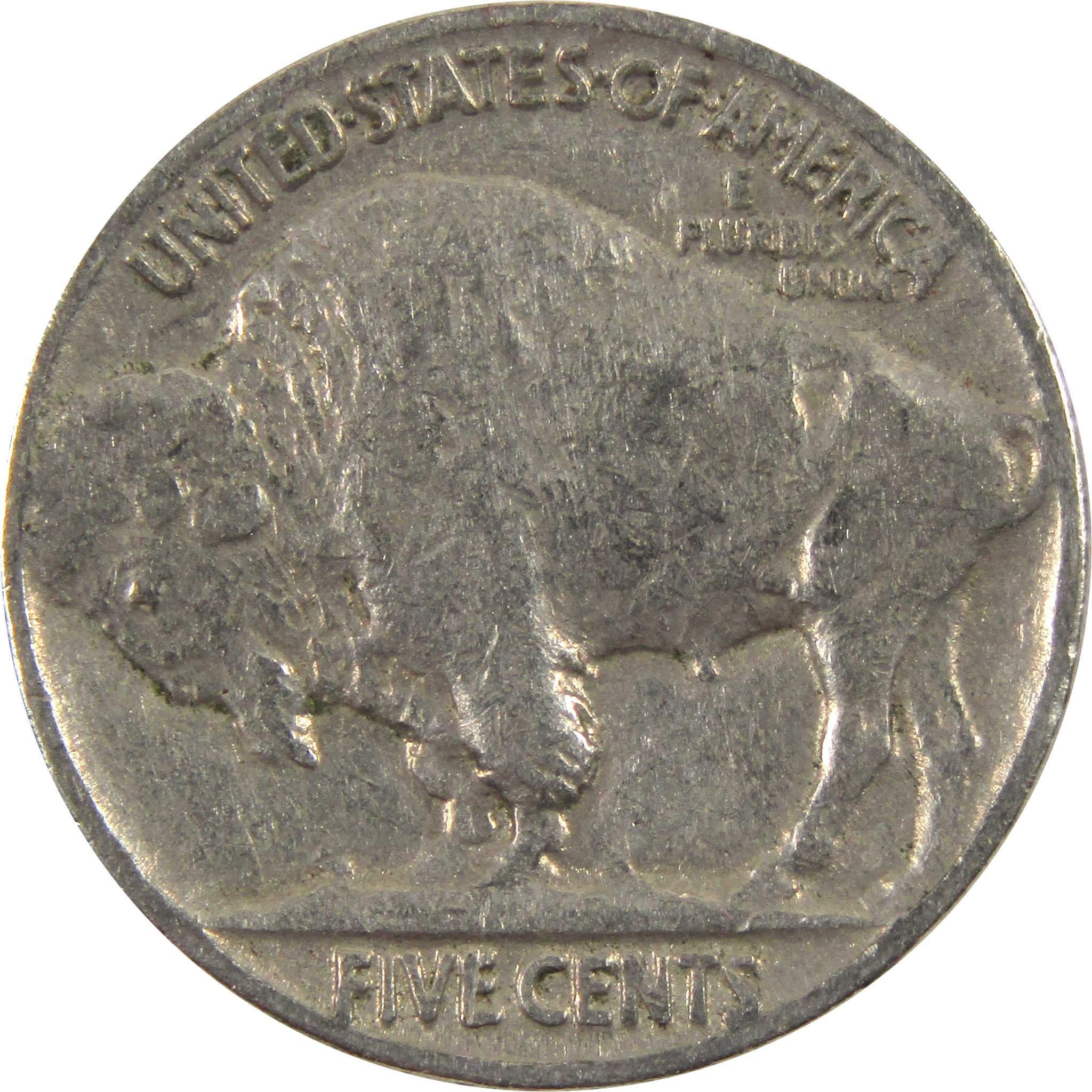
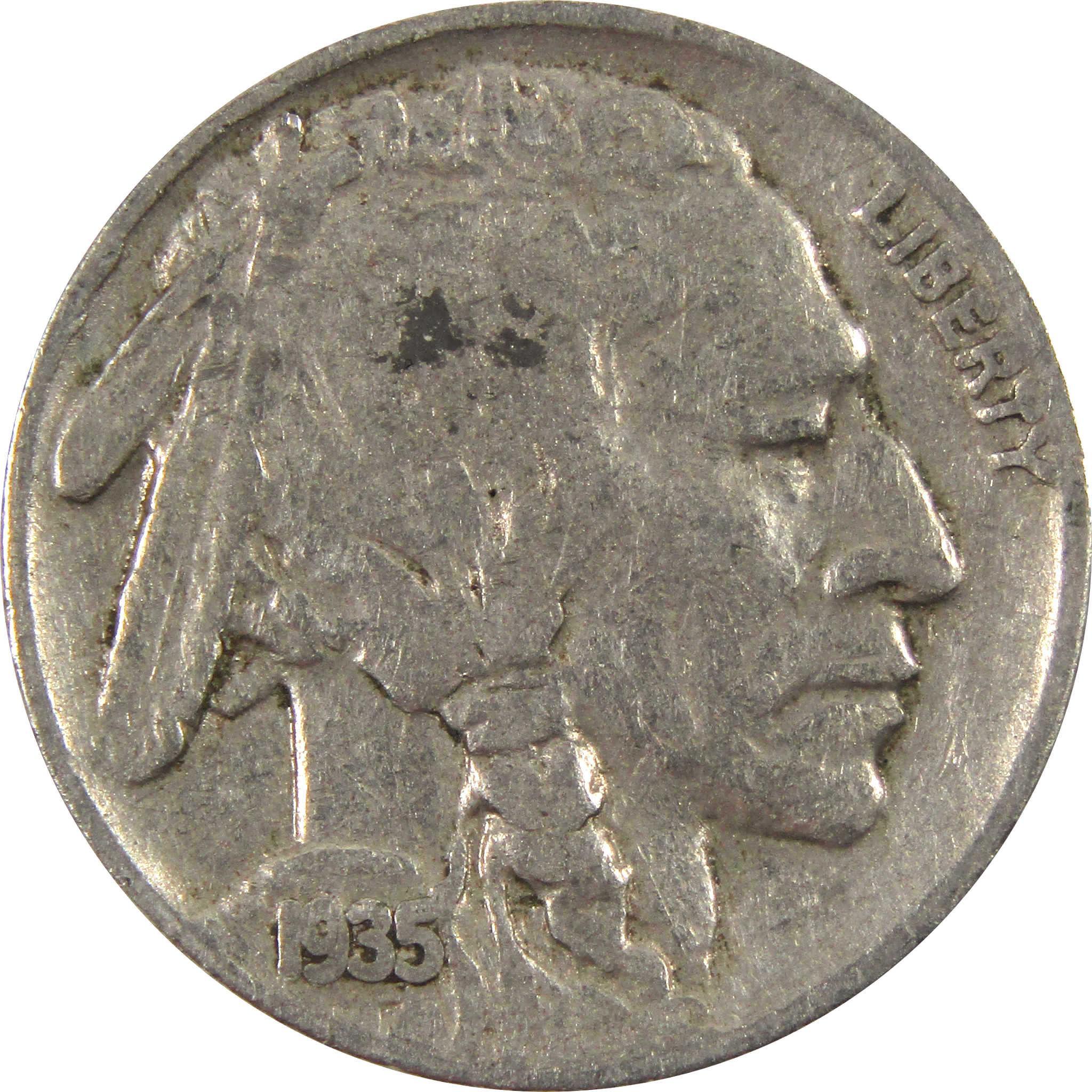
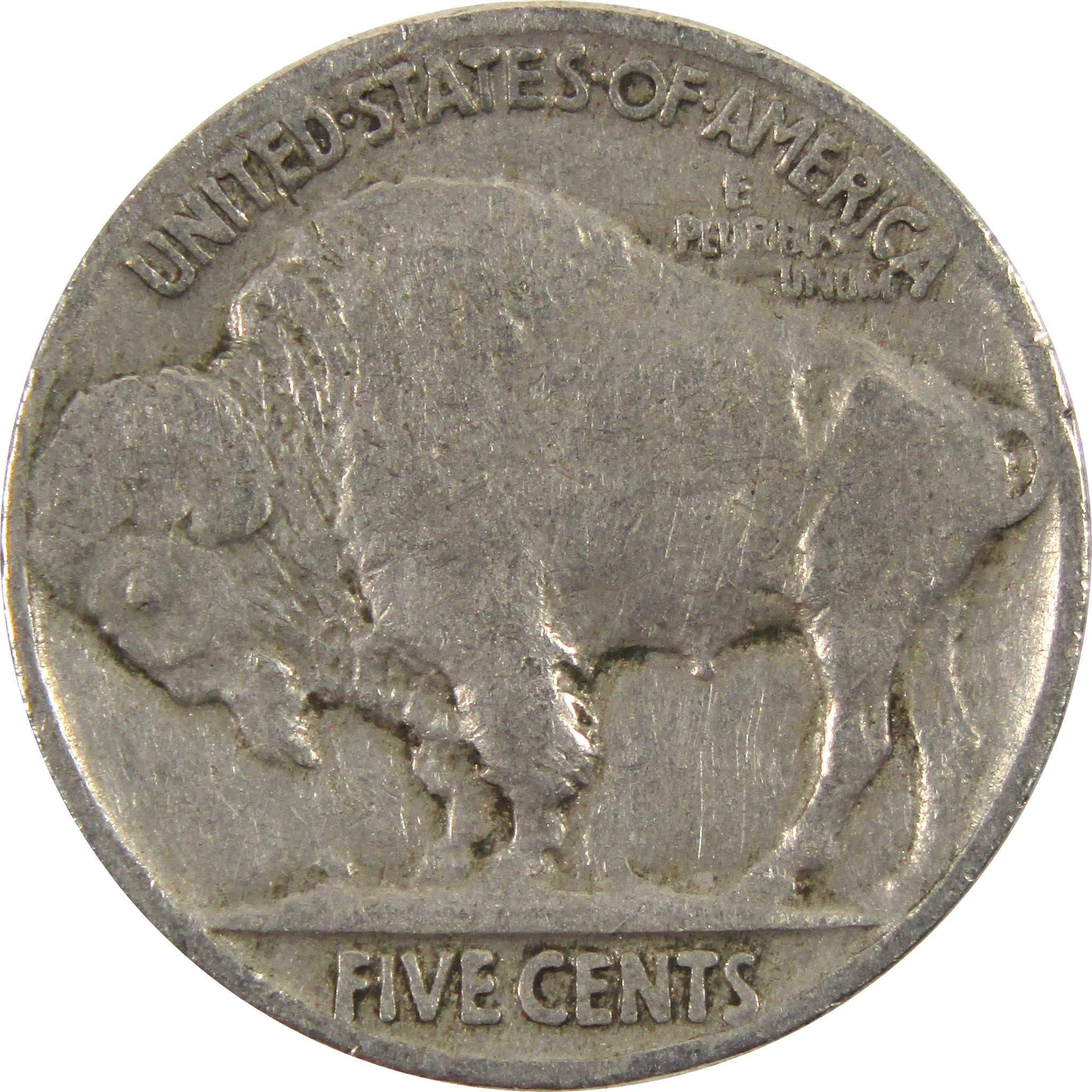
1935 Indian Head Buffalo Nickel F Fine 5c Coin1935 Indian Head Buffalo Nickel F Fine 5c Coin

Nickels: A Brief History

The history of the U.S. nickel dates back to the mid-19th century. Below is a brief overview of its evolution:

  • Shield Nickels (1866-1883): The first nickel five-cent coin introduced in the United States was the Shield Nickel. It featured a shield design on the obverse and a large numeral "5" surrounded by stars on the reverse. The composition of the coin was a copper-nickel alloy, 75% copper and 25% nickel, which remains the standard for U.S. nickels to this day.

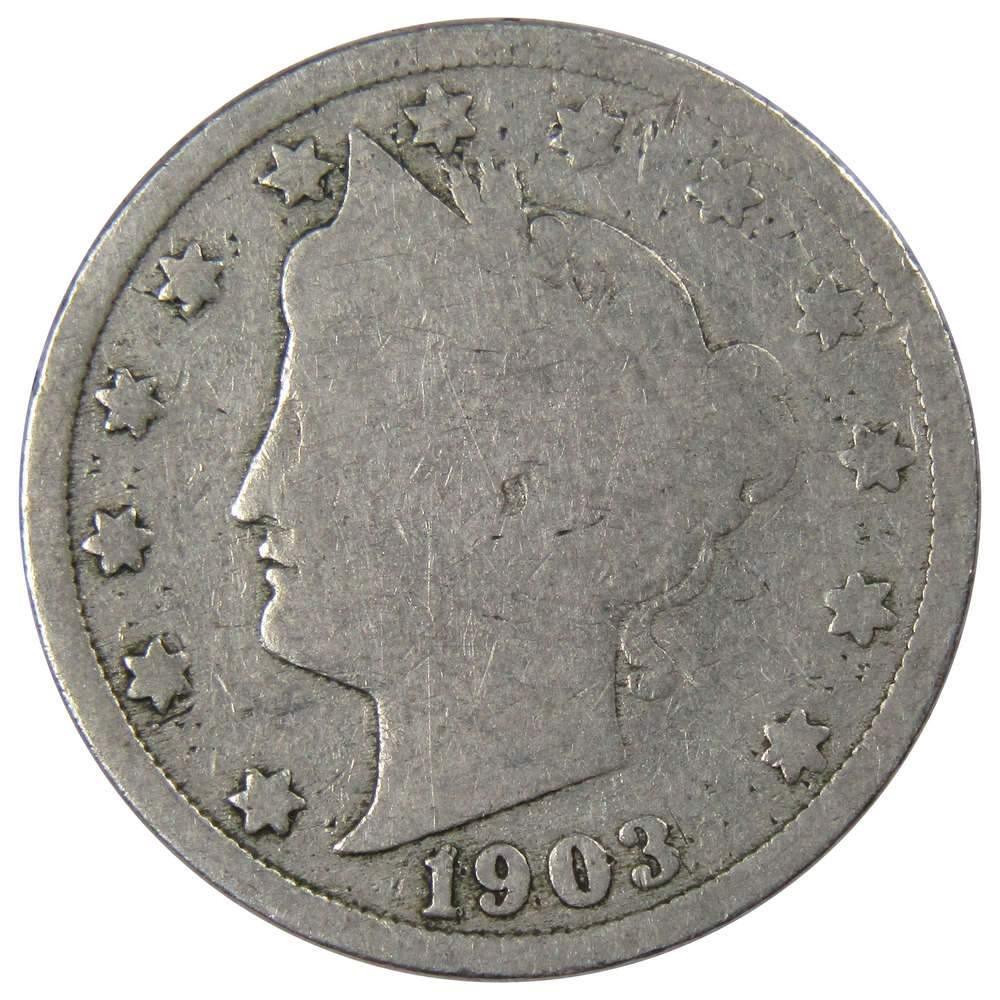
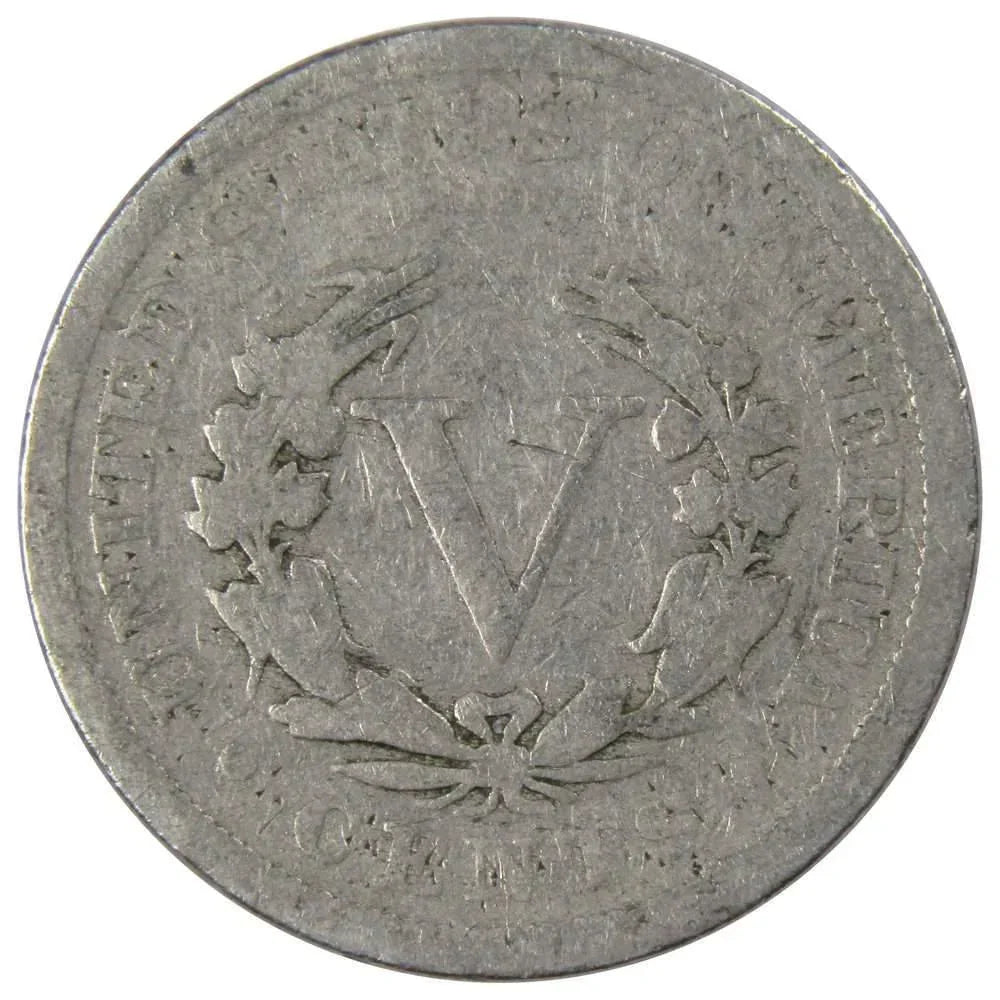
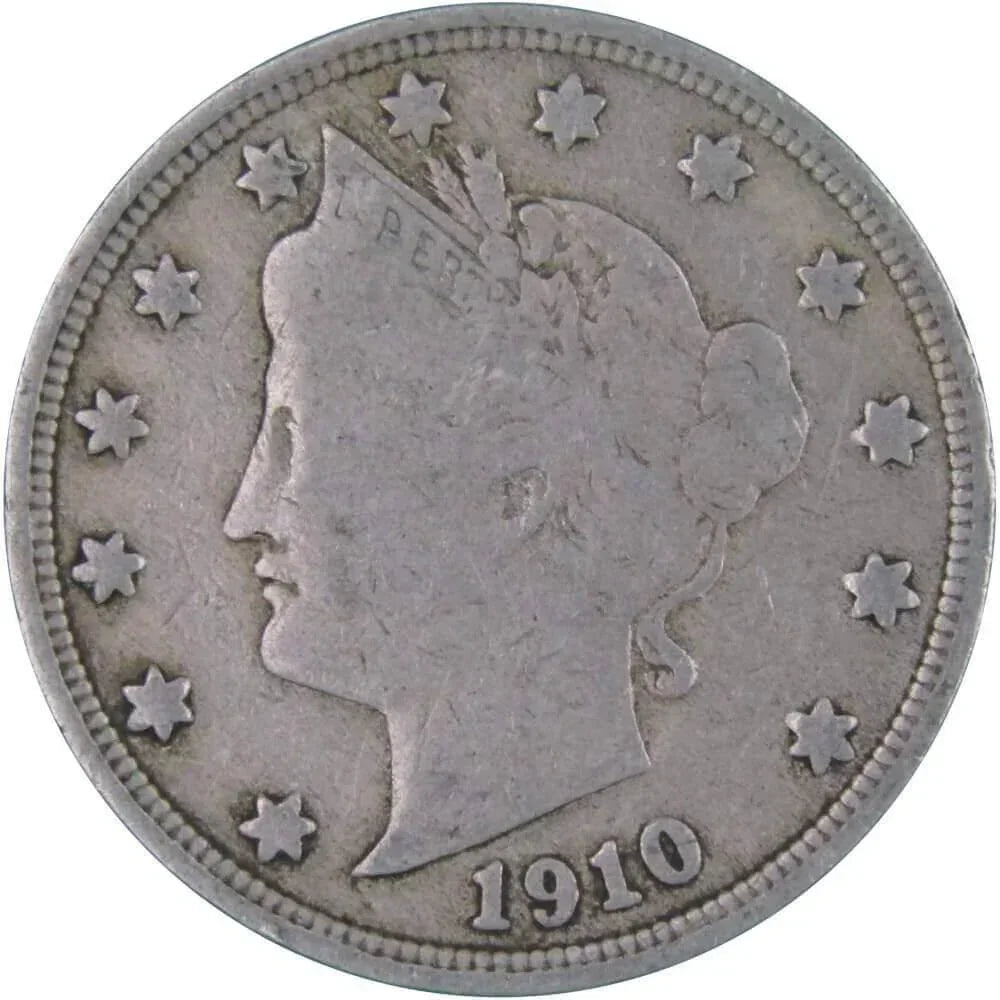
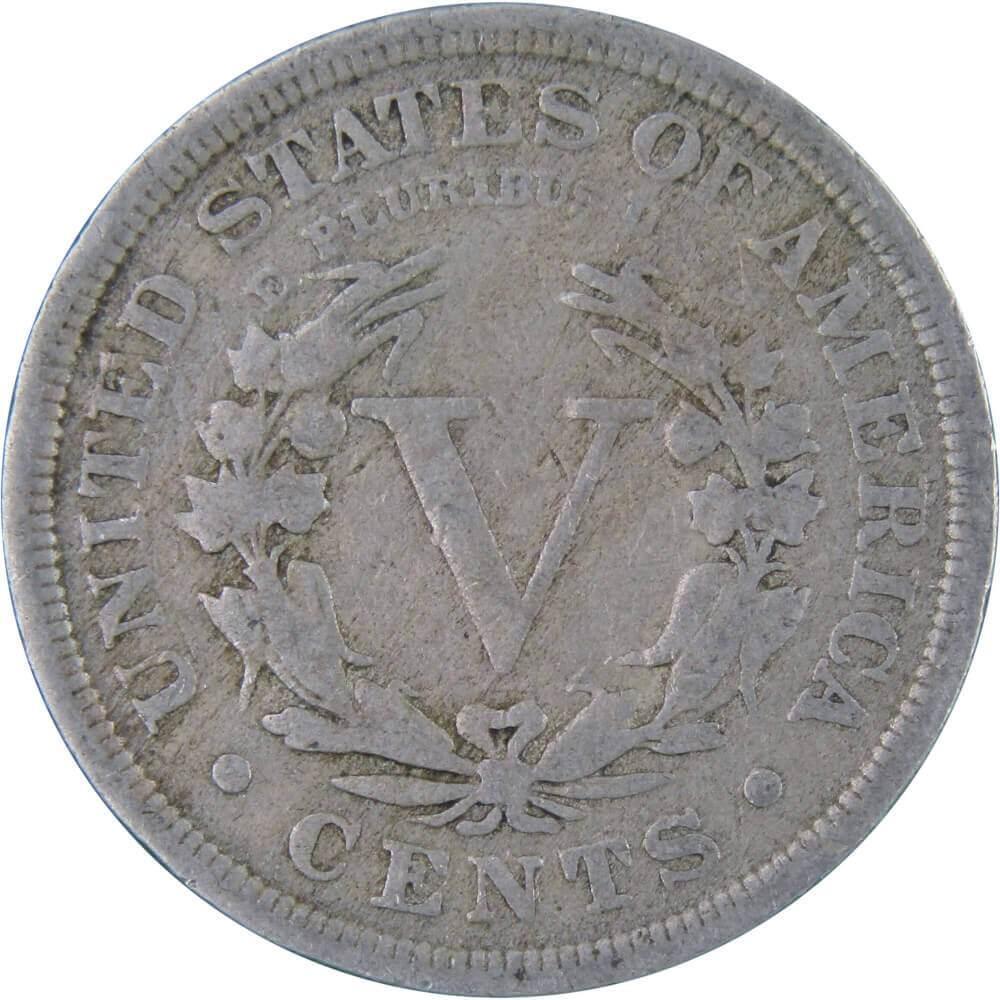
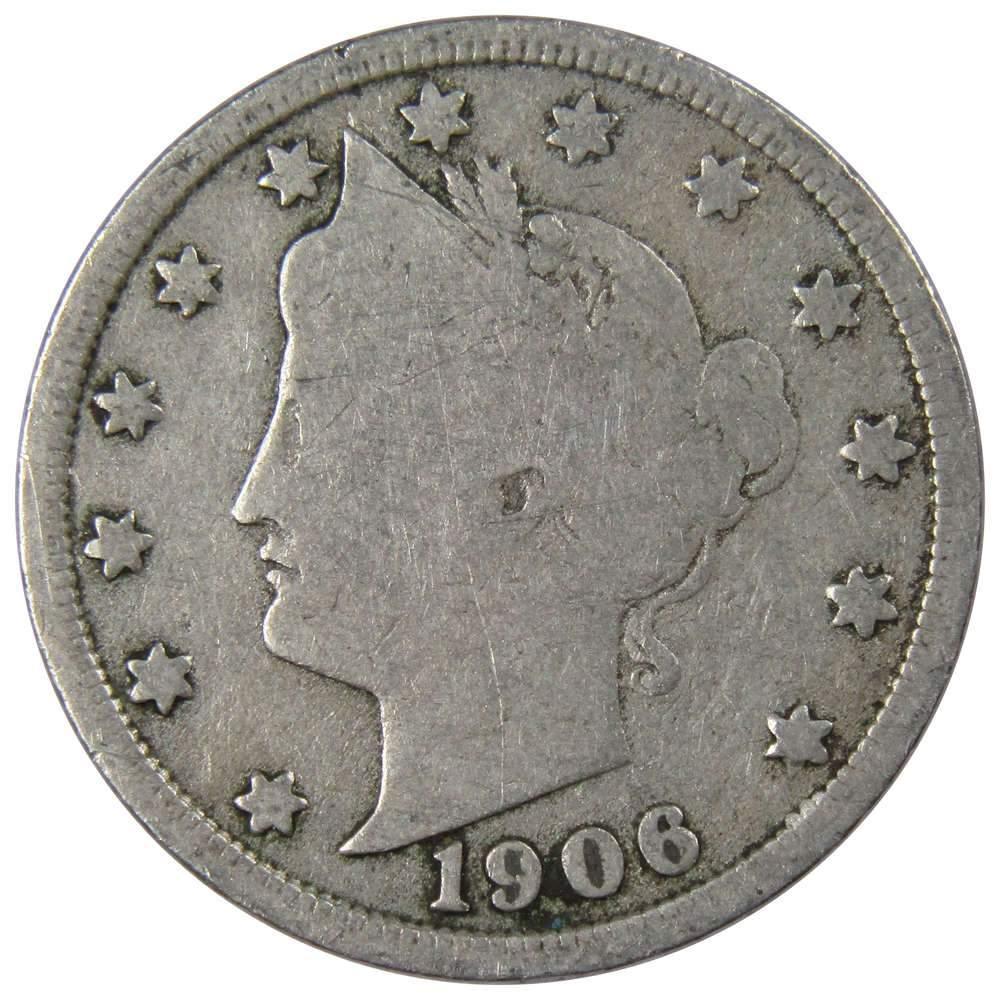
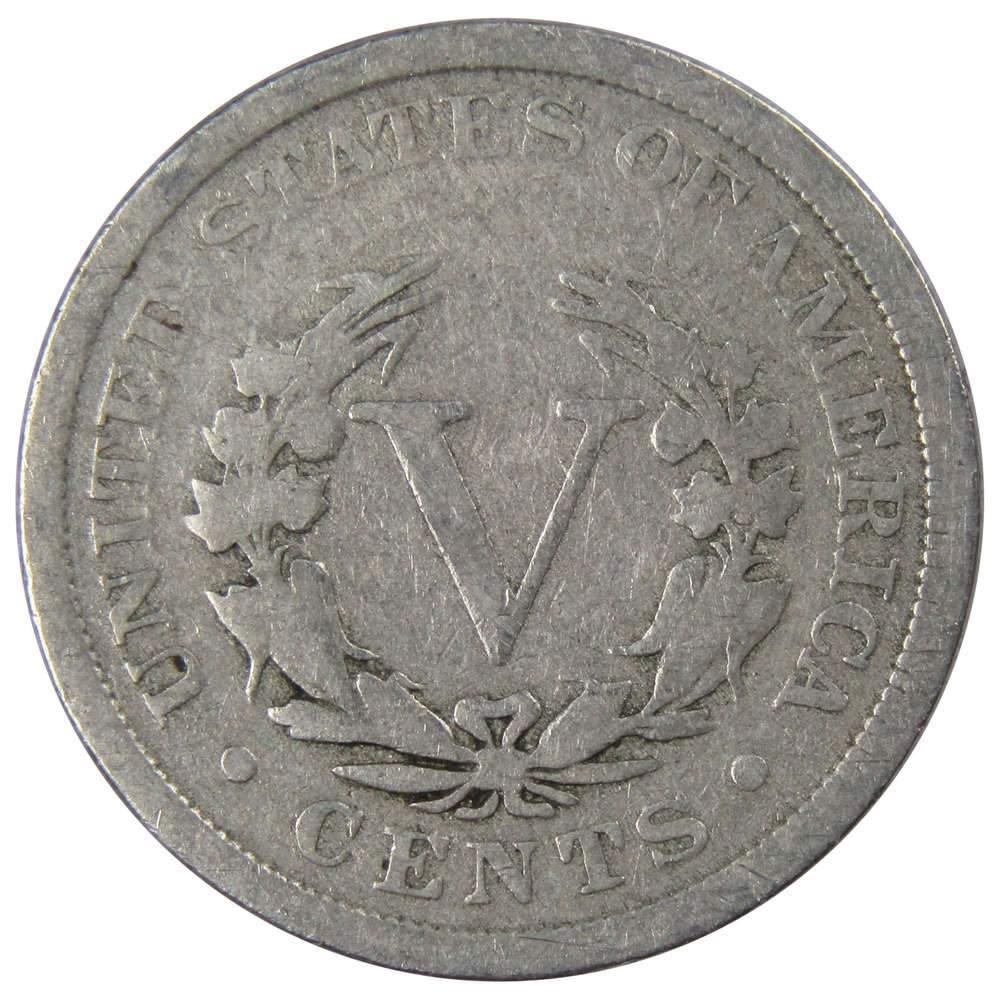
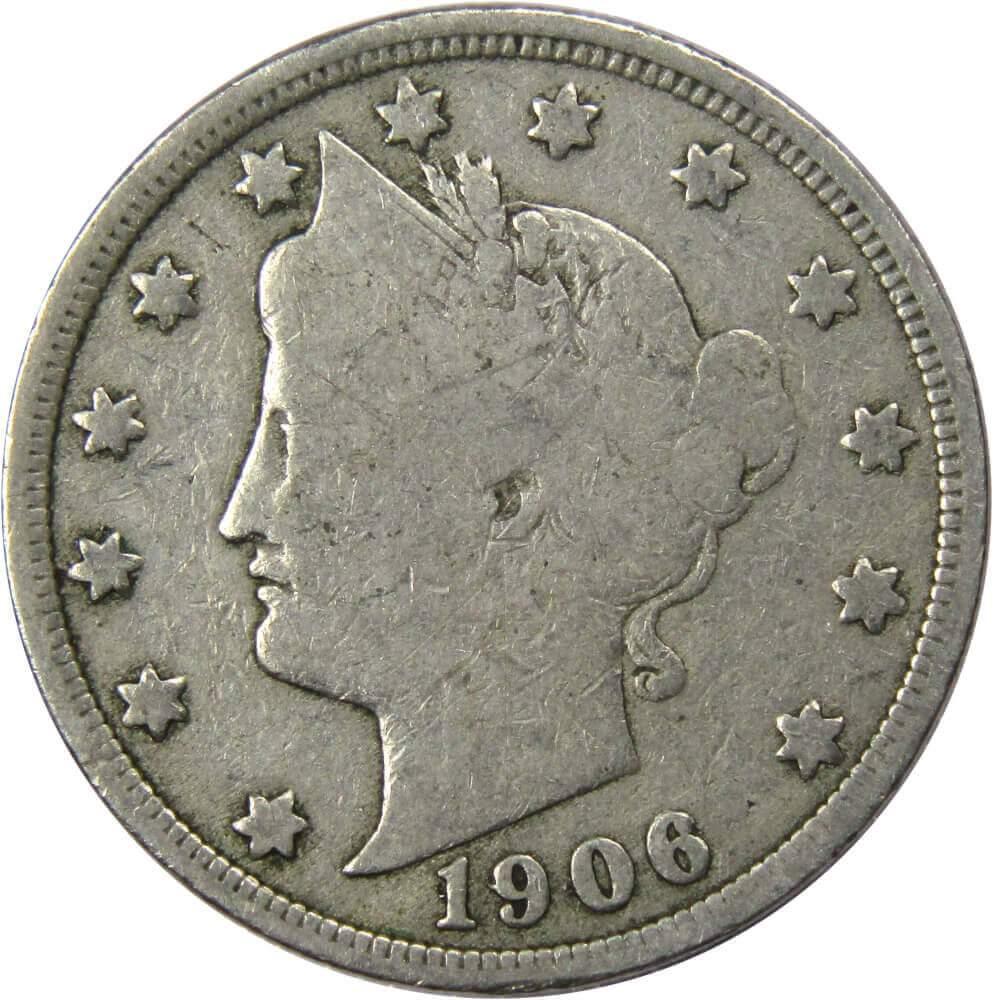
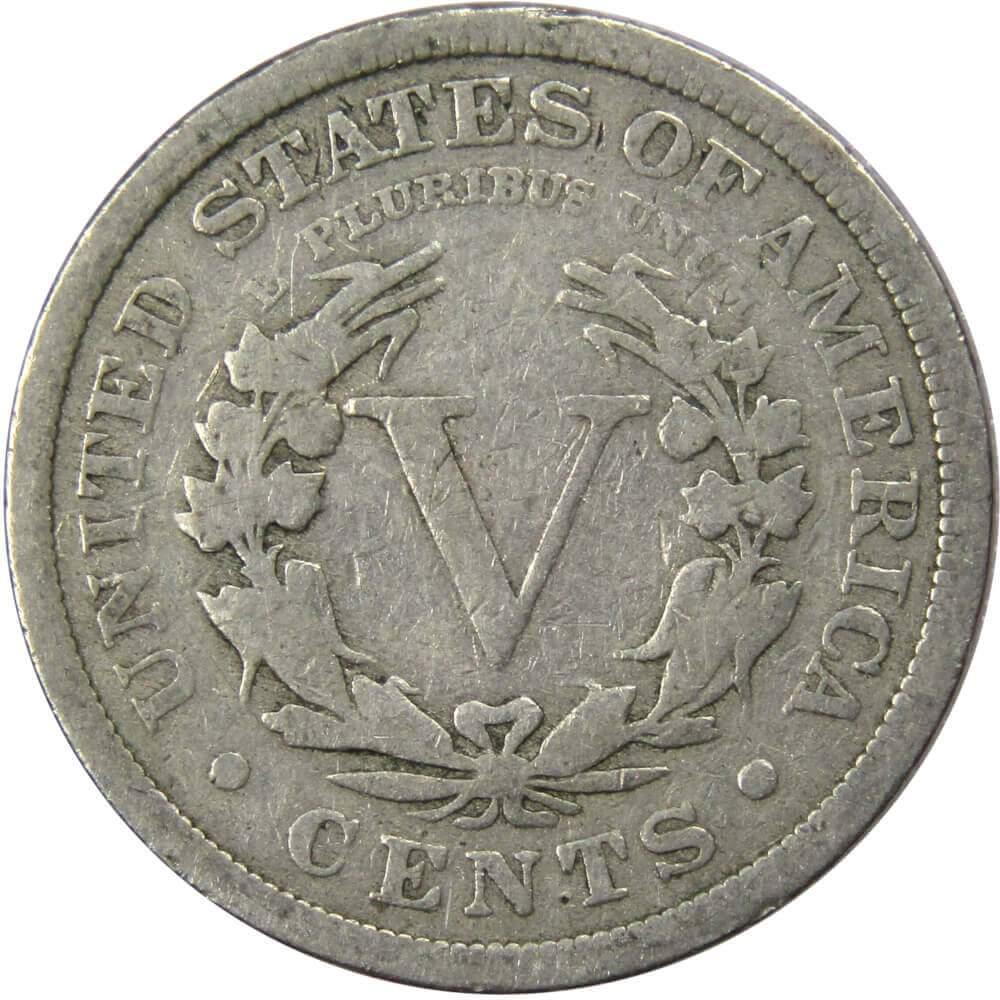
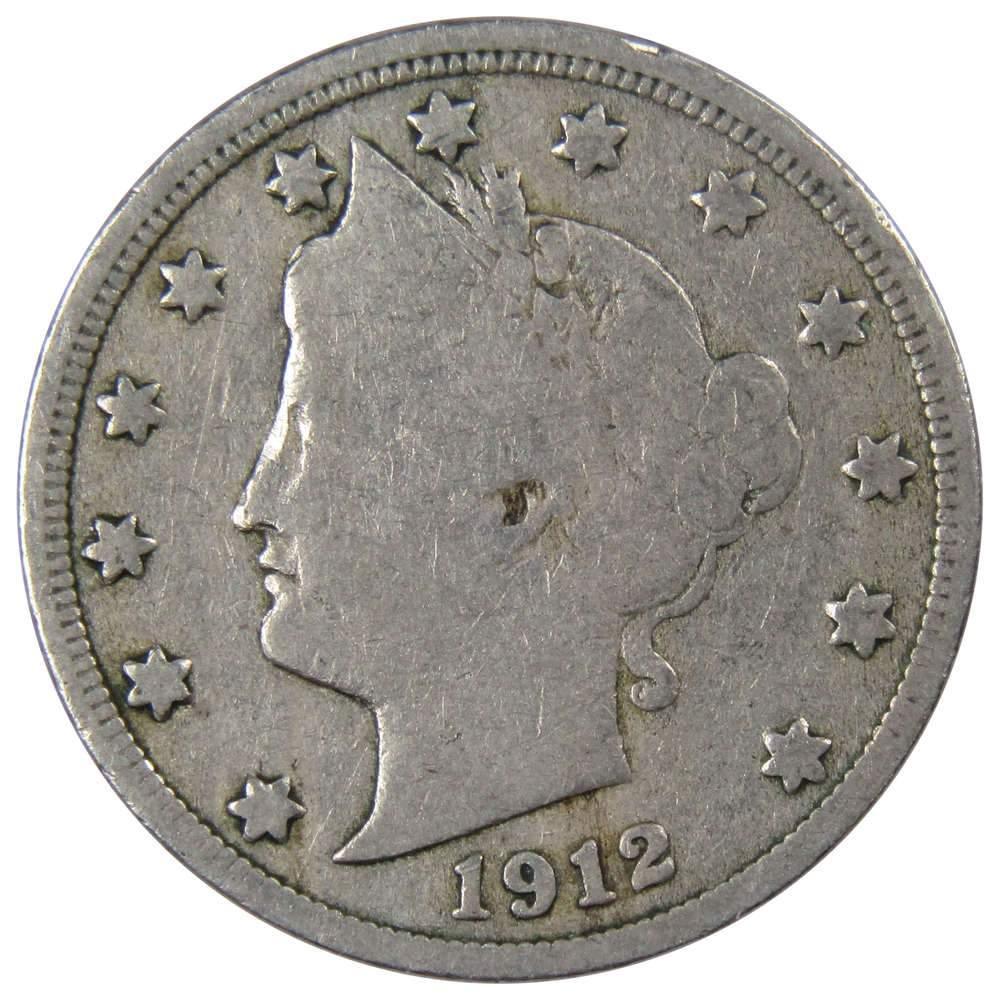
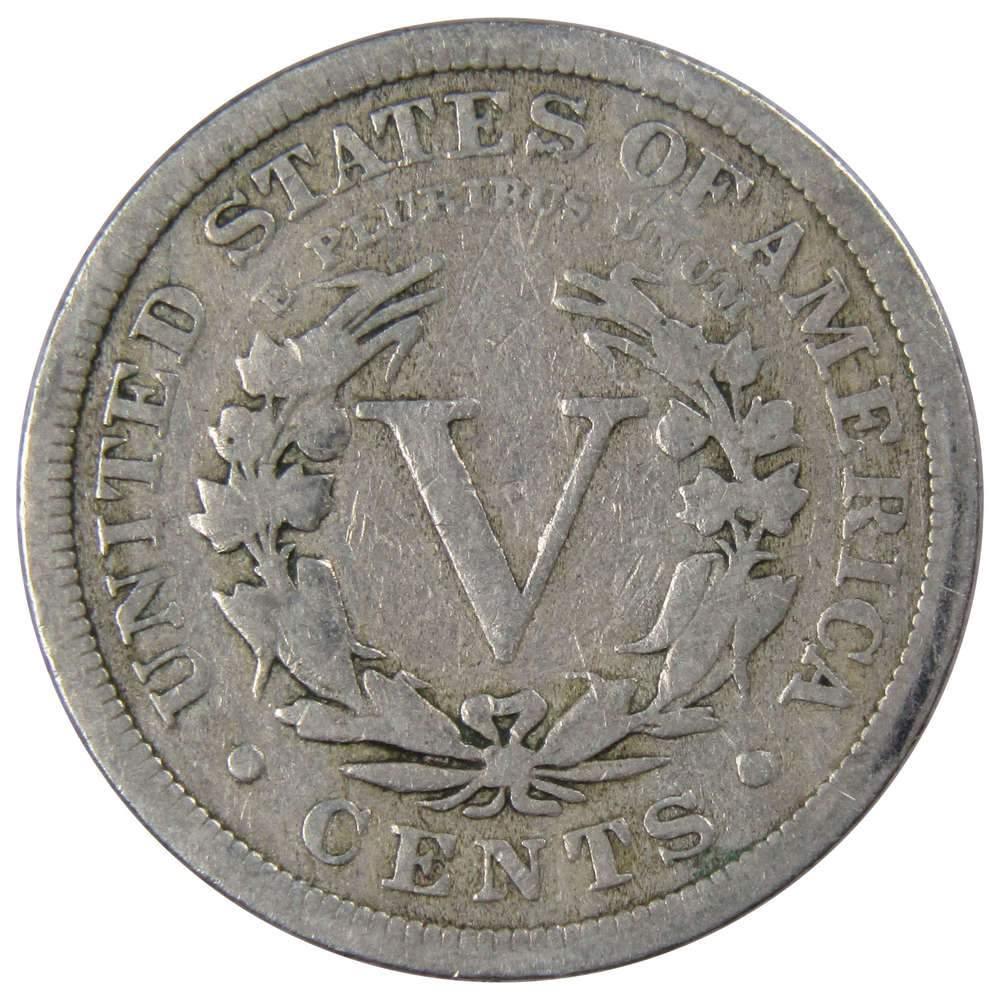
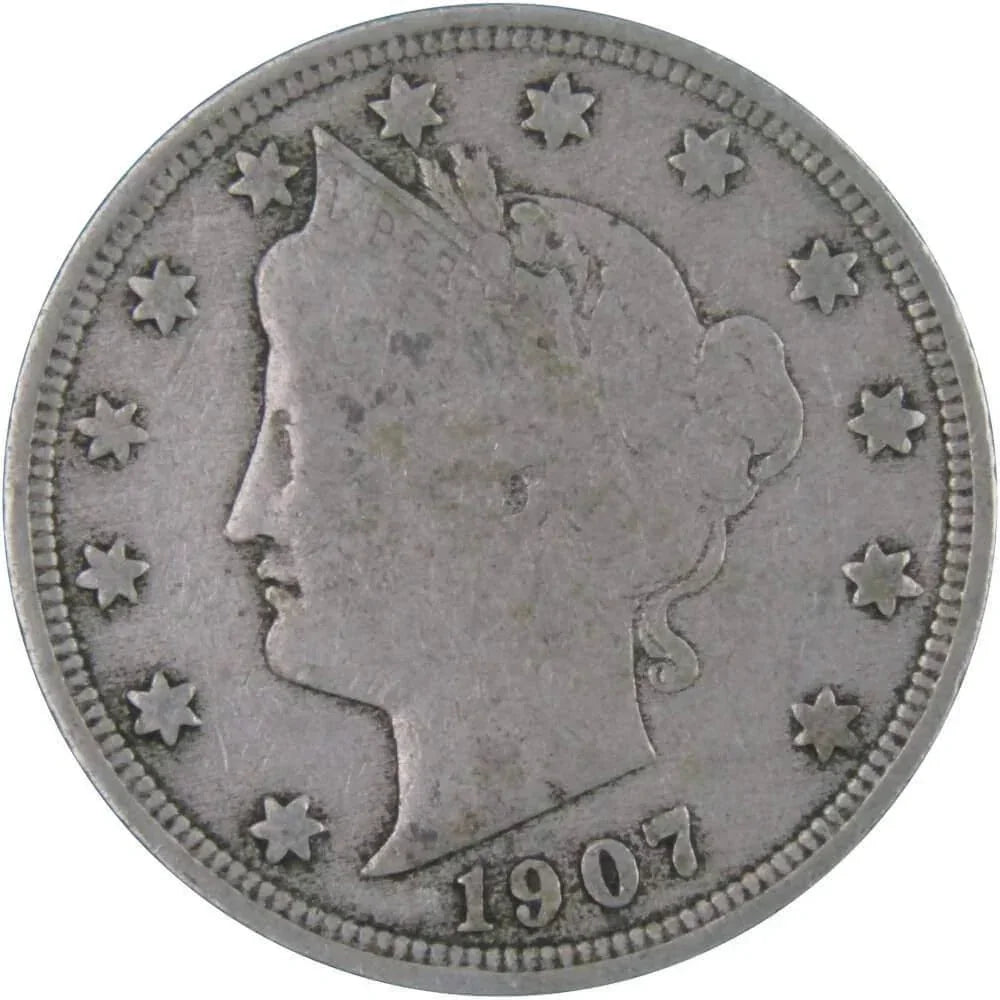
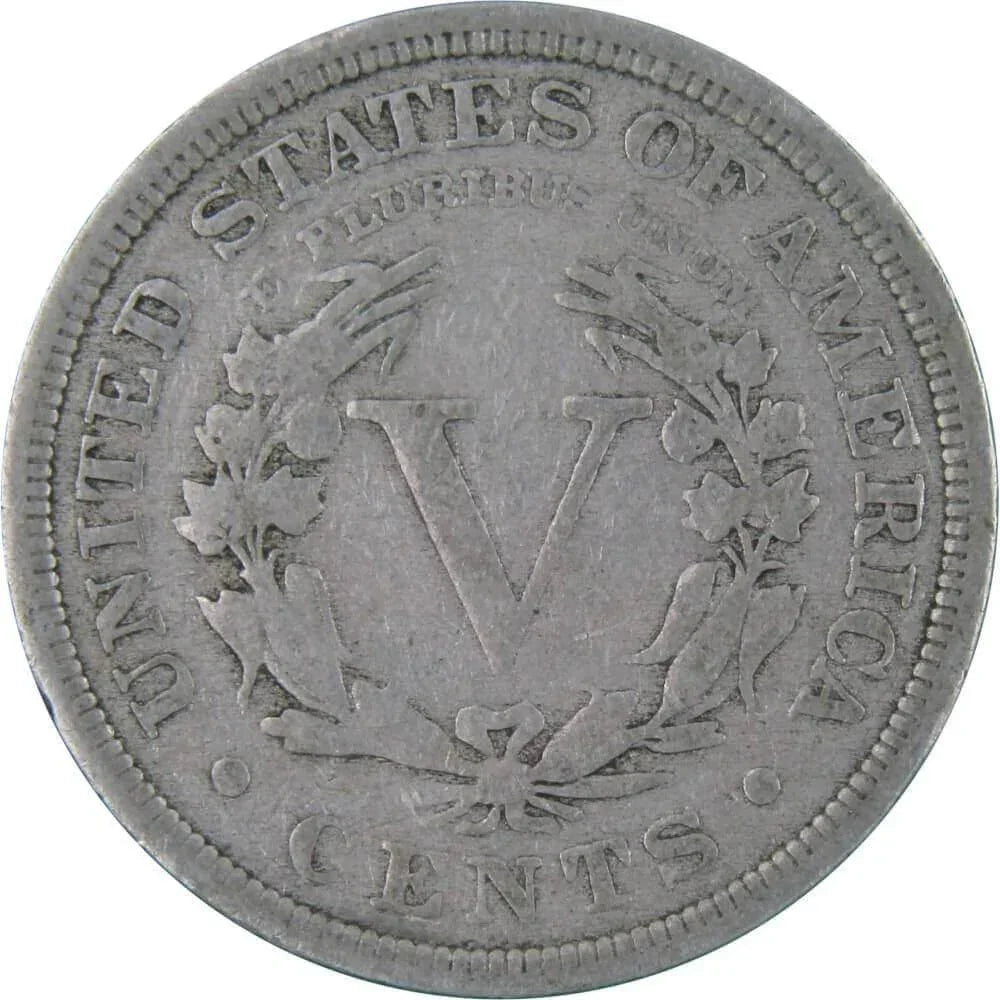
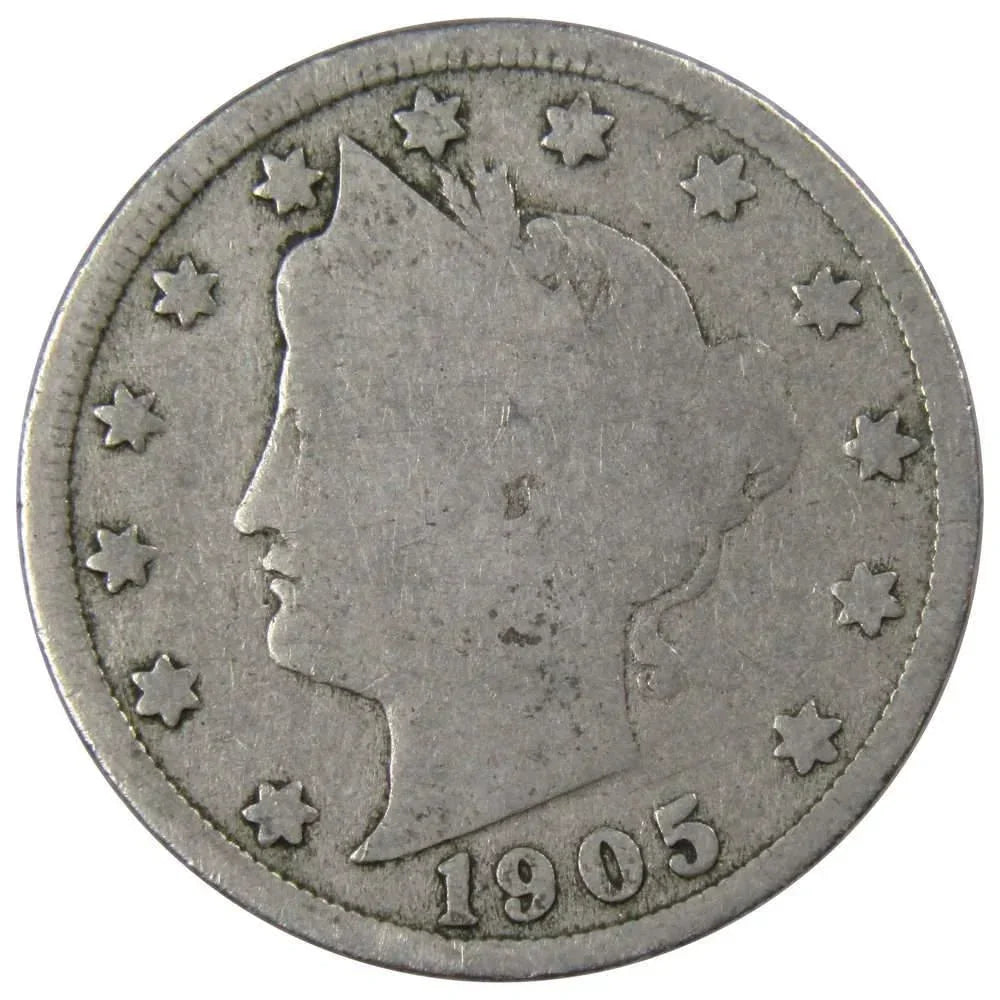
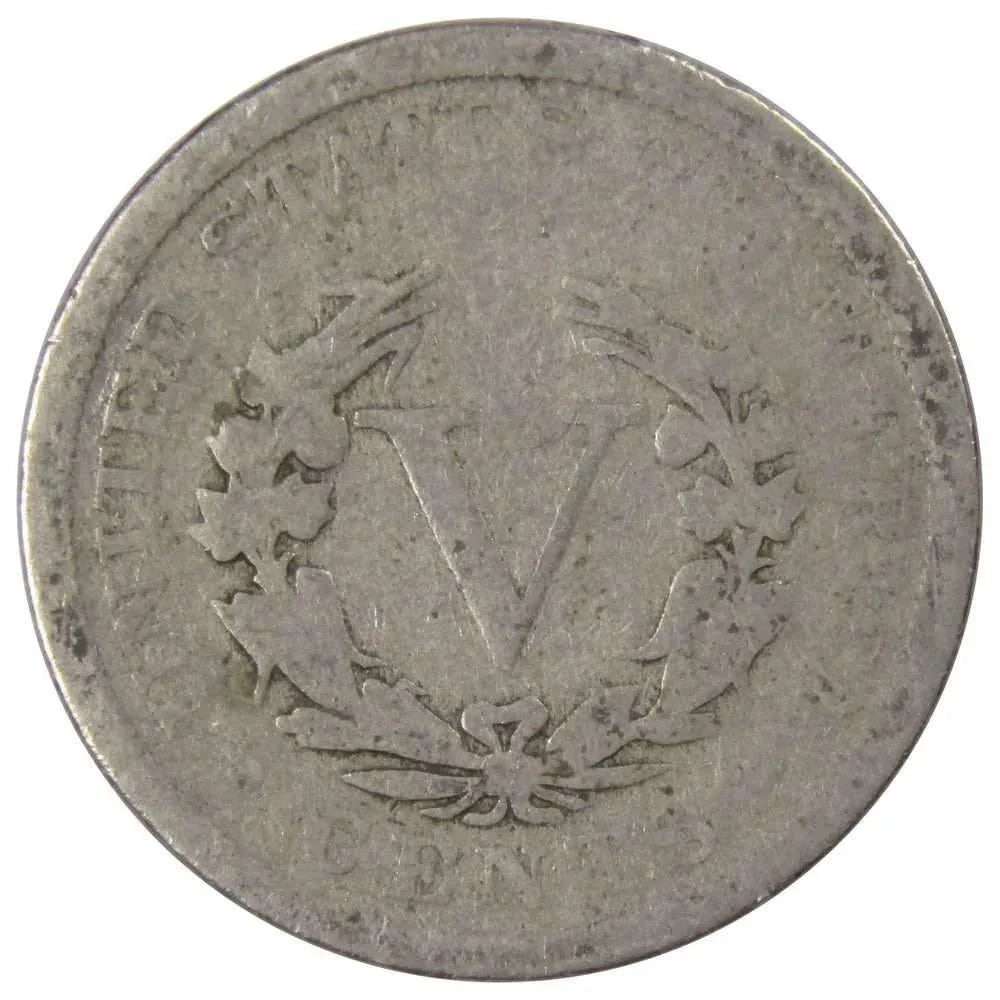
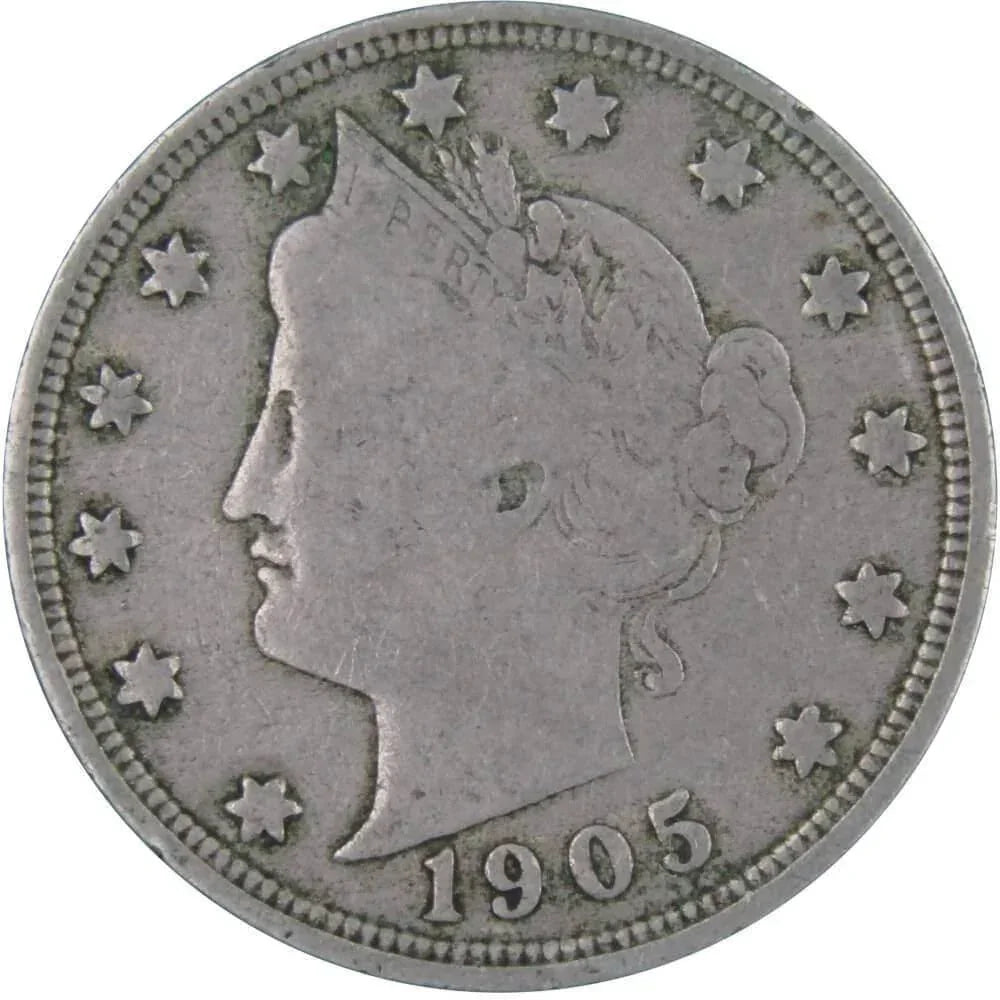
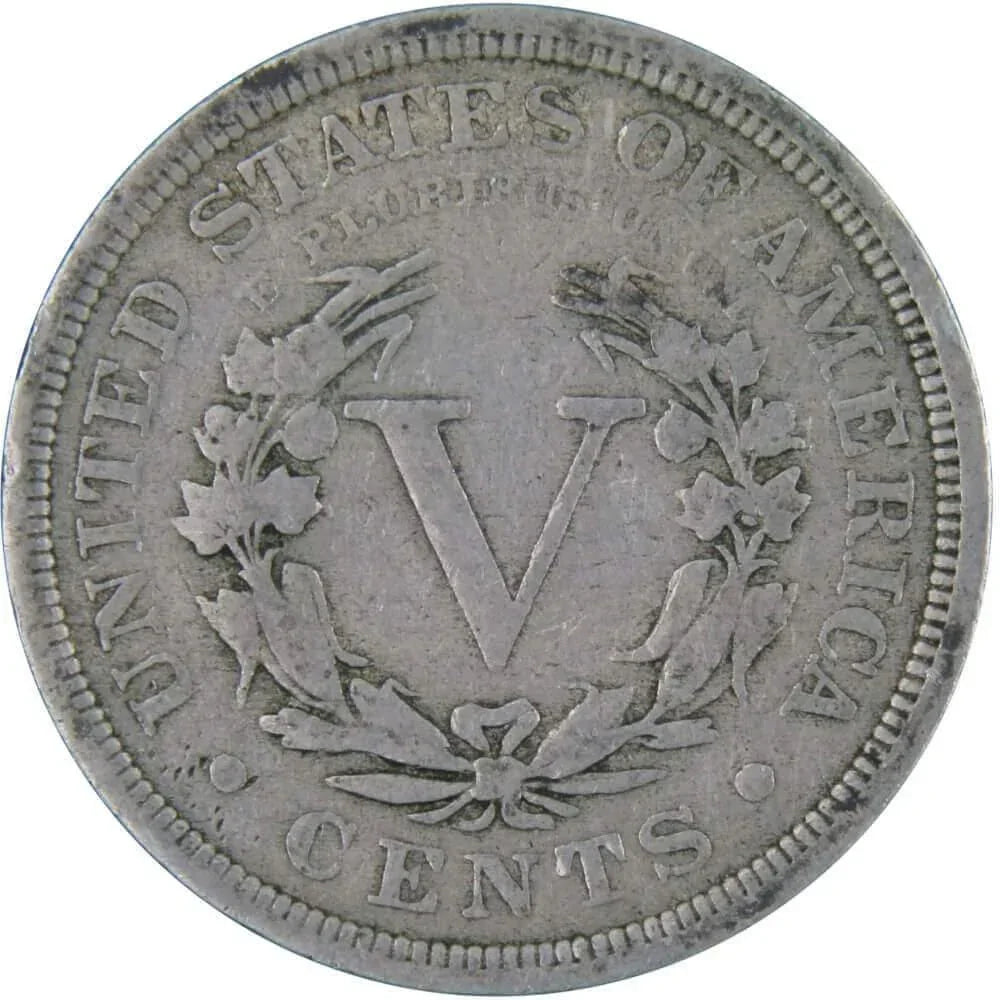
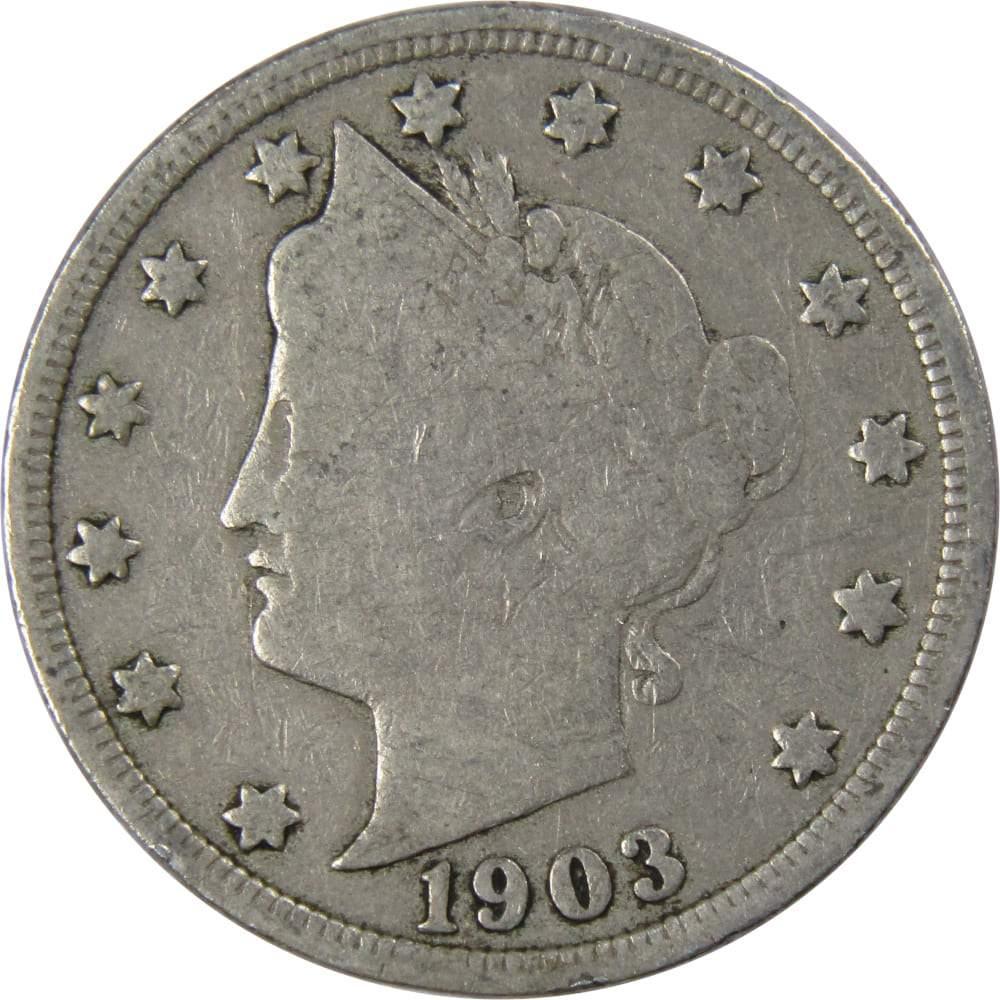
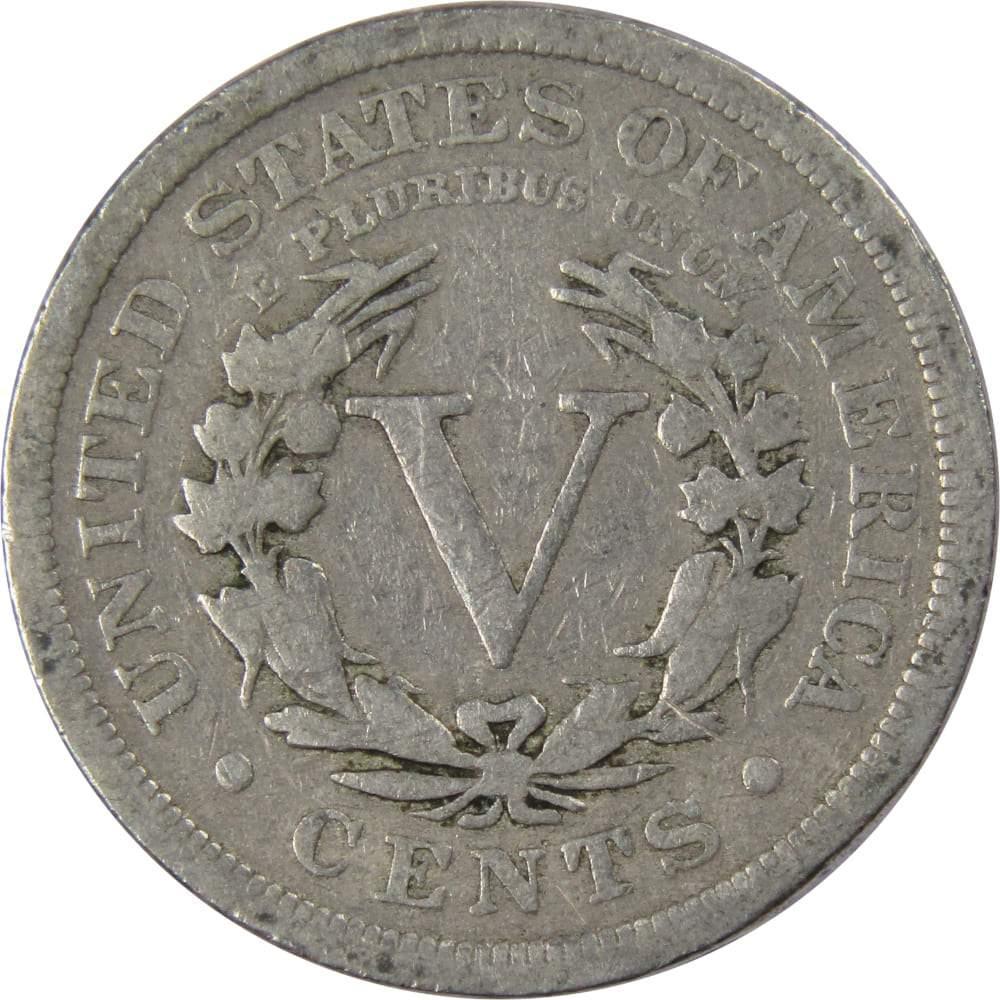
  • Liberty Head Nickels, or "V" Nickels (1883-1913): The Liberty Head Nickel, often referred to as the "V" Nickel due to the Roman numeral "V" on the reverse, replaced the Shield Nickel. The obverse featured a profile of Liberty with a coronet, and the reverse had a large "V" encircled by a wreath. Because the initial design did not include the word CENTS, these nickels were easily counterfeited as gold $5 coins. Therefore, later in the same year, the word CENTS was added to the reverse.

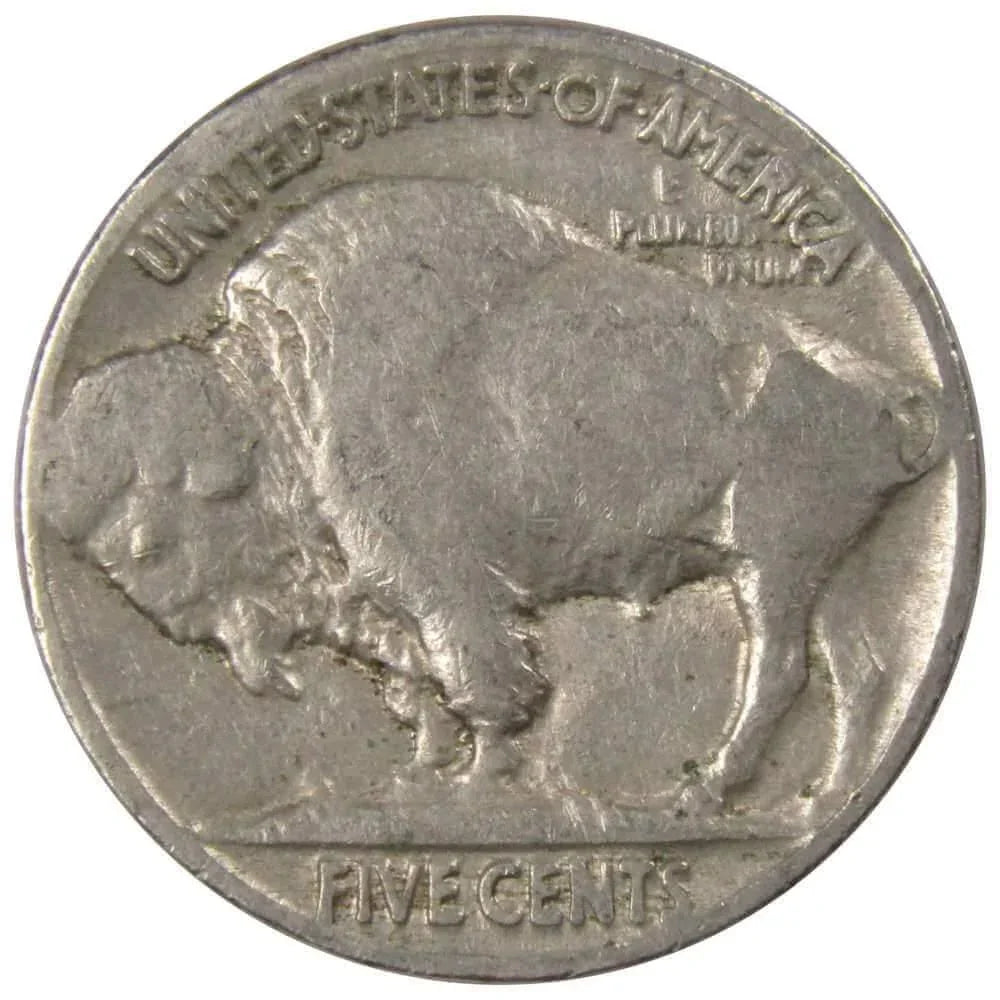
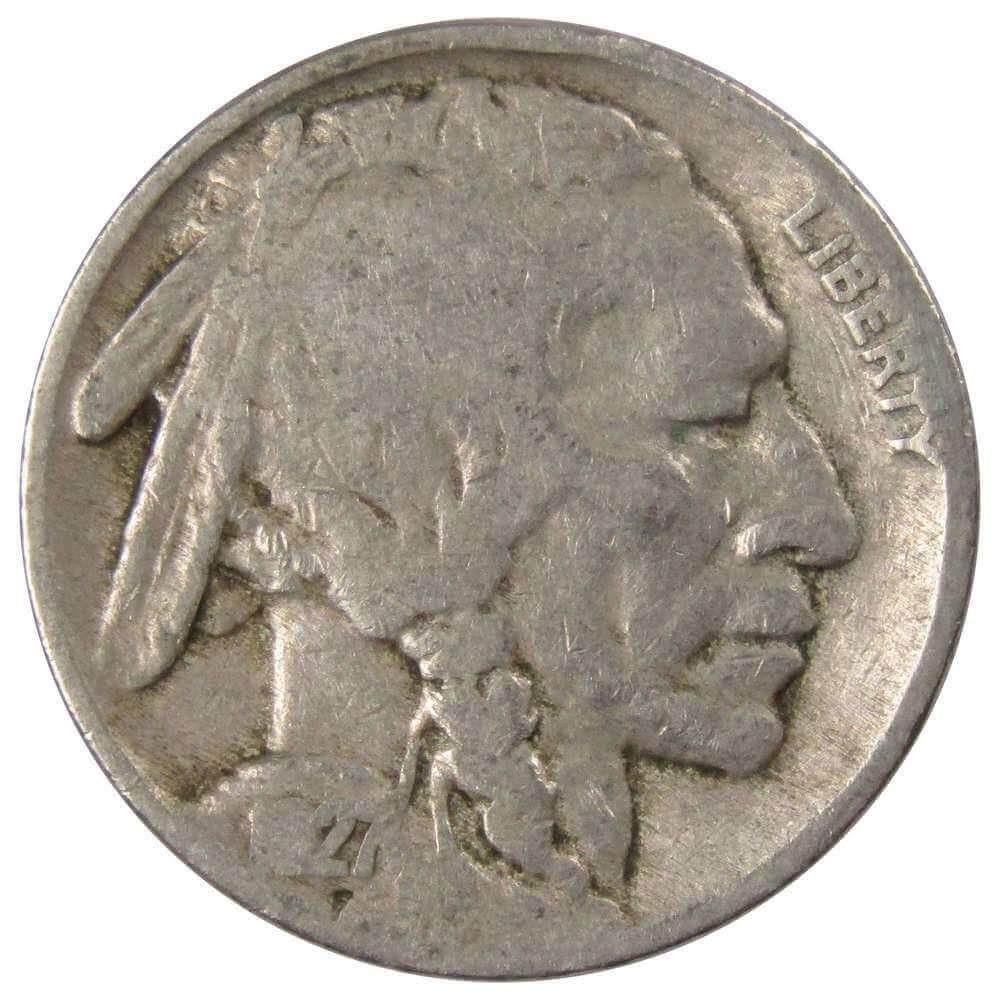
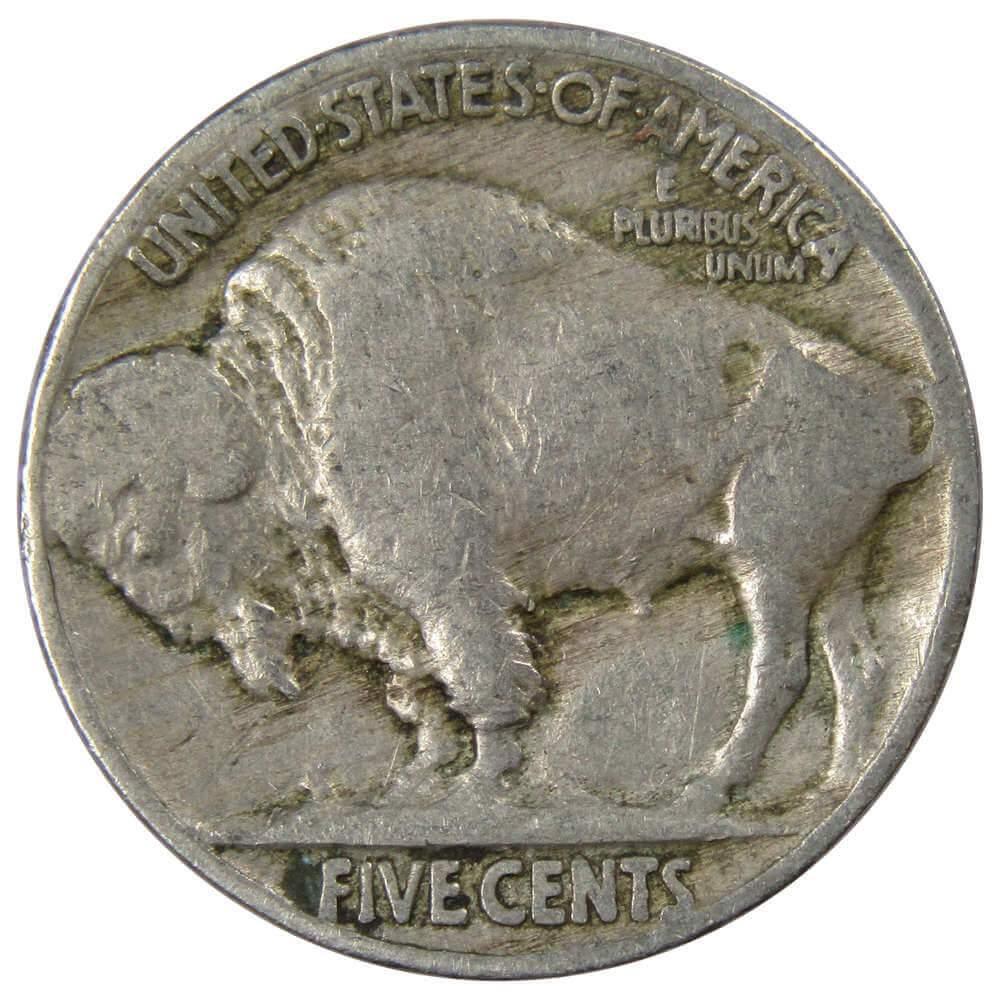
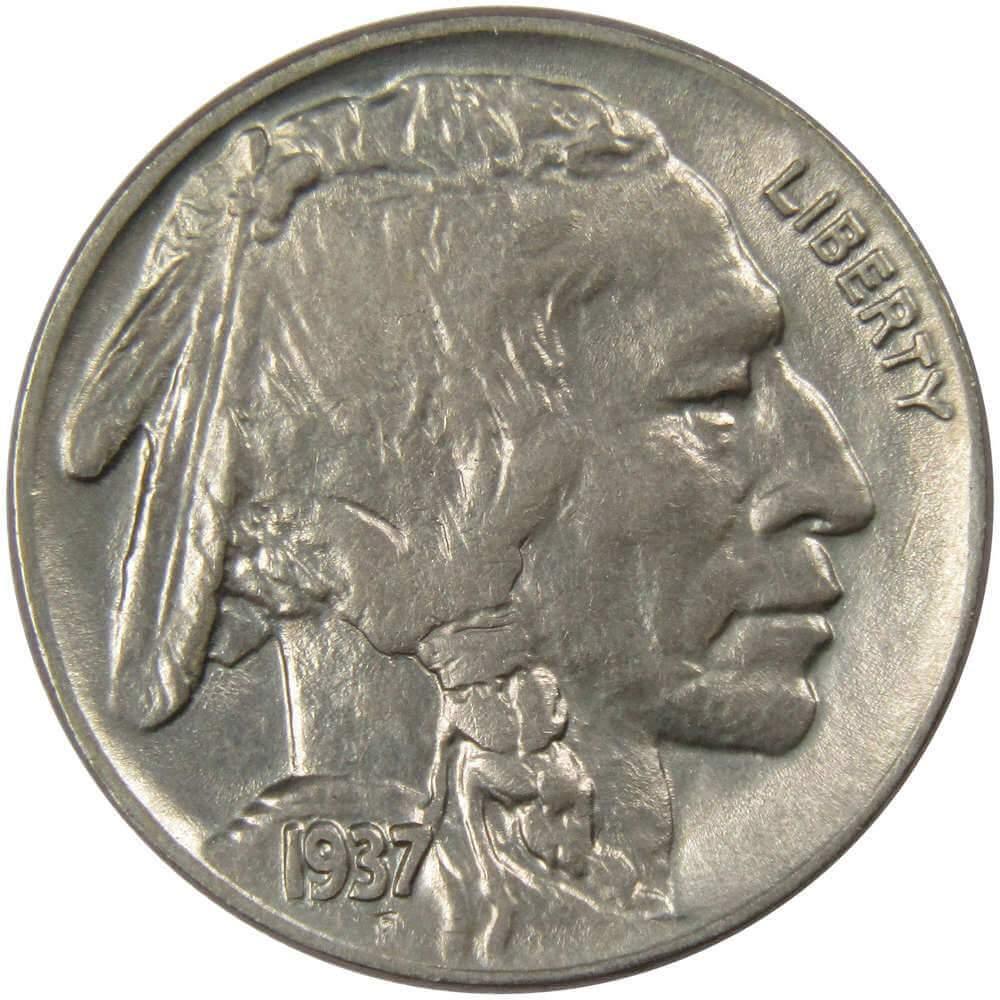
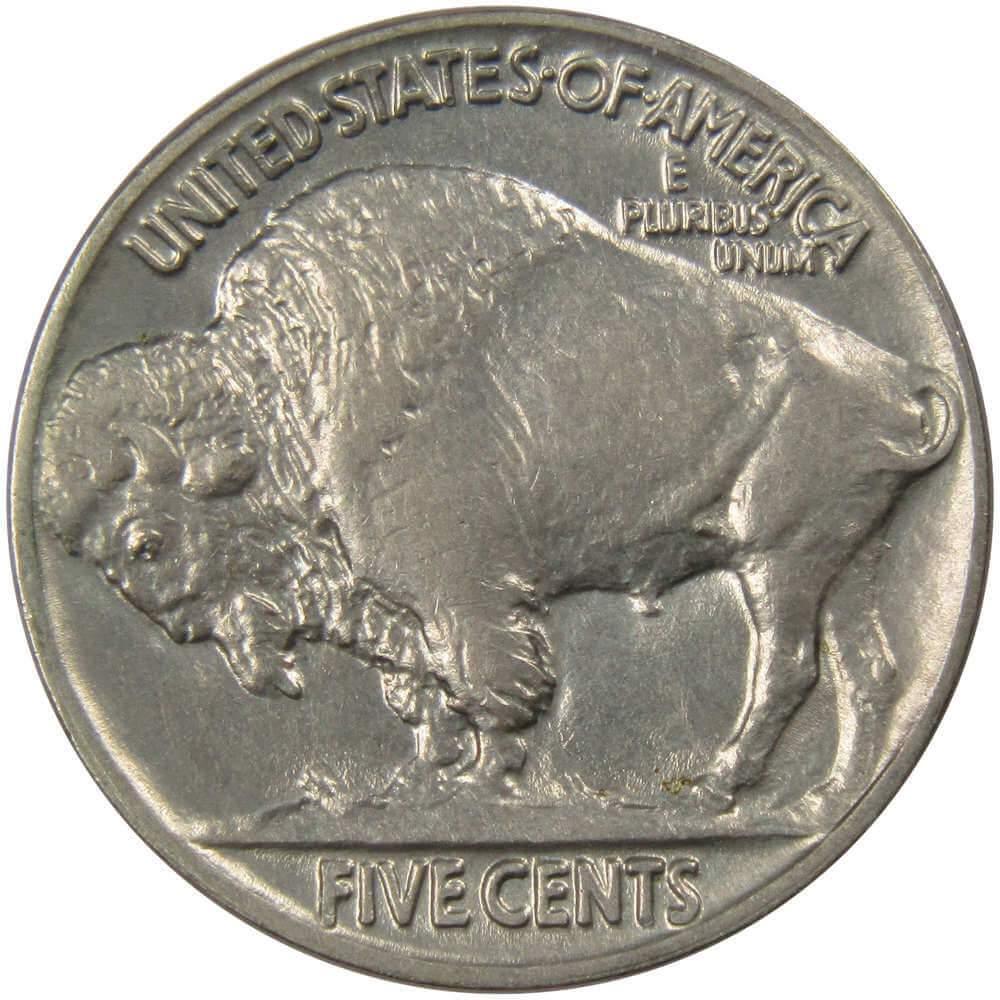
  • Buffalo Nickels (1913-1938): The Buffalo Nickel is one of the most iconic and beloved designs in U.S. coinage history. Designed by James Earle Fraser, the coin featured a Native American chief on the obverse and a buffalo (American bison) on the reverse.

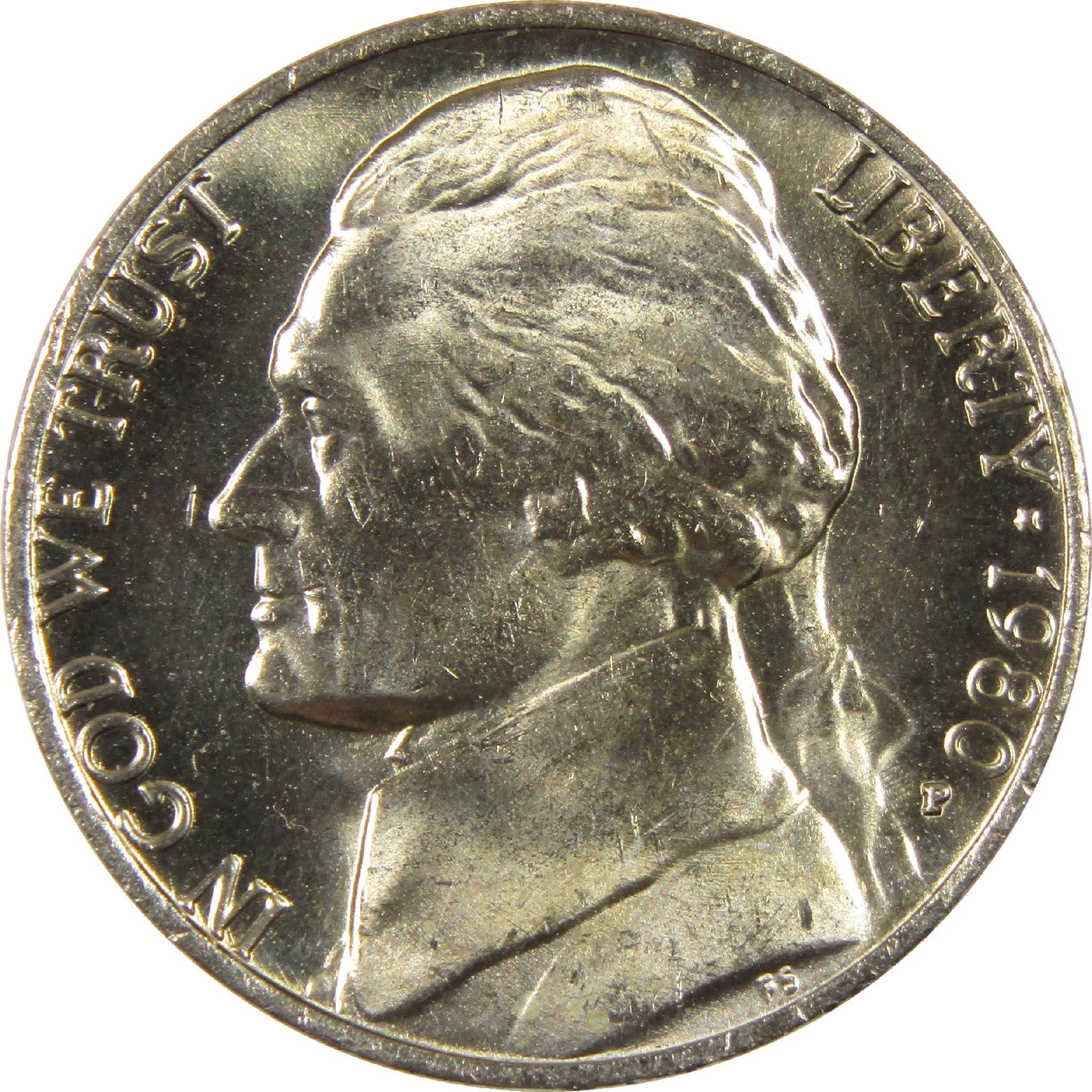
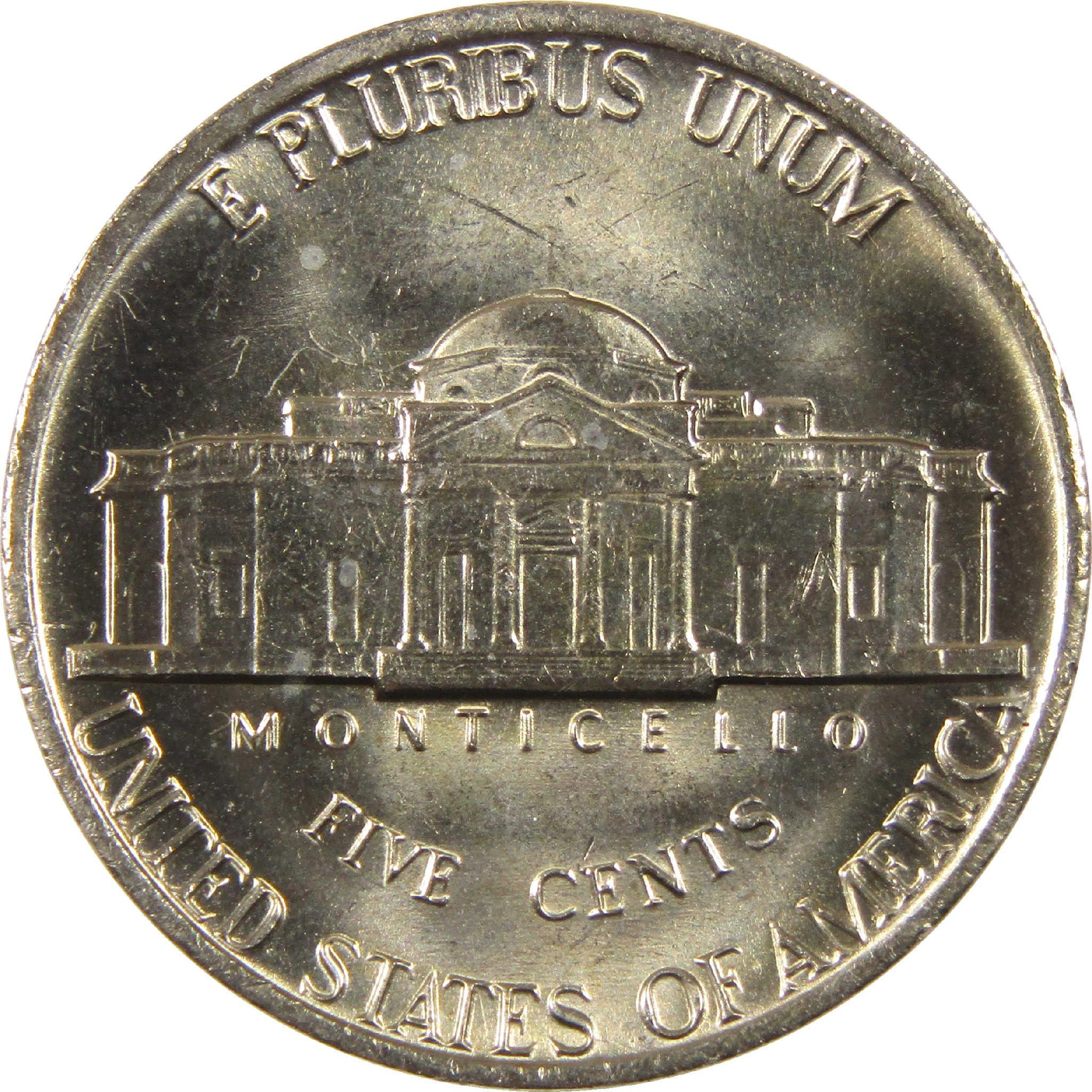
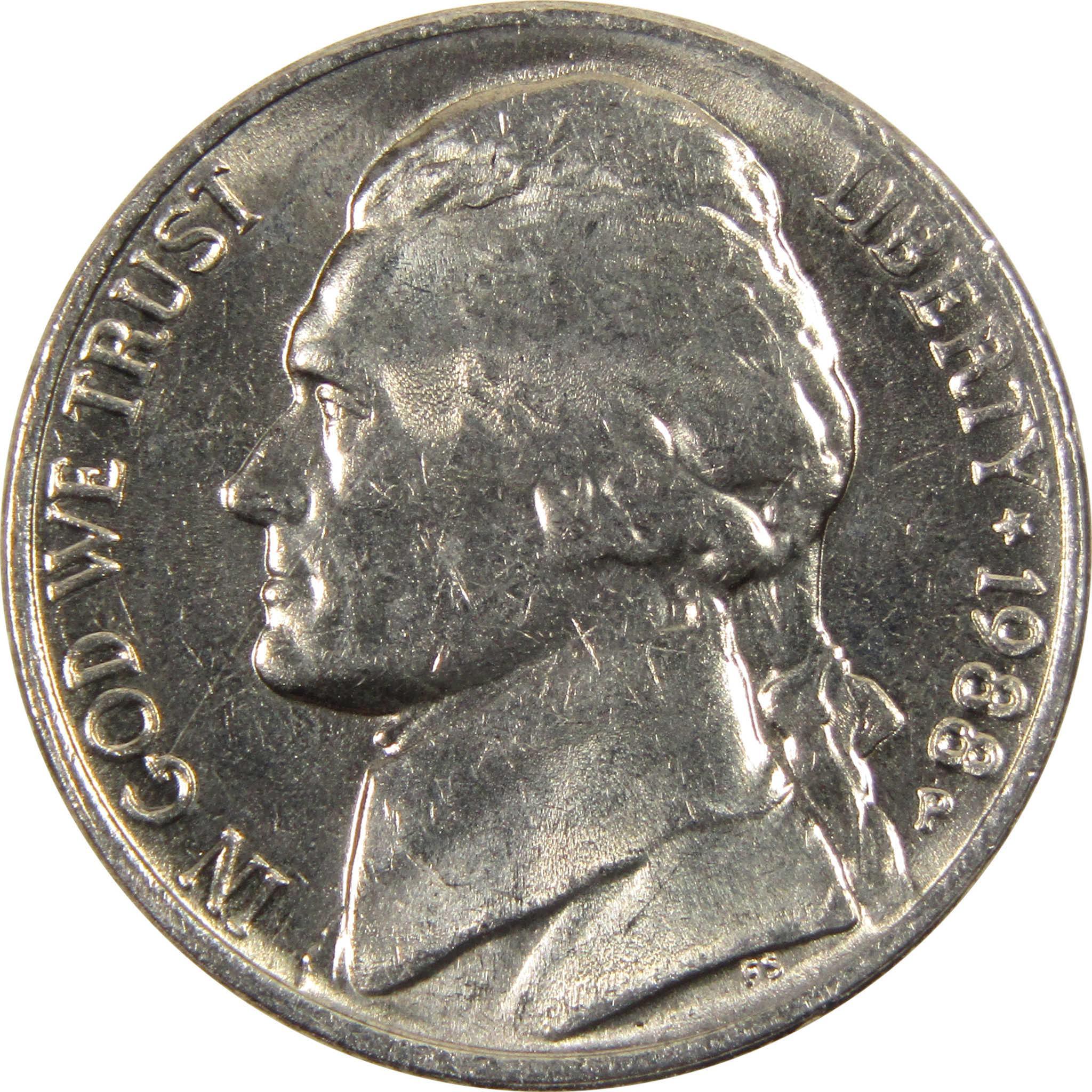
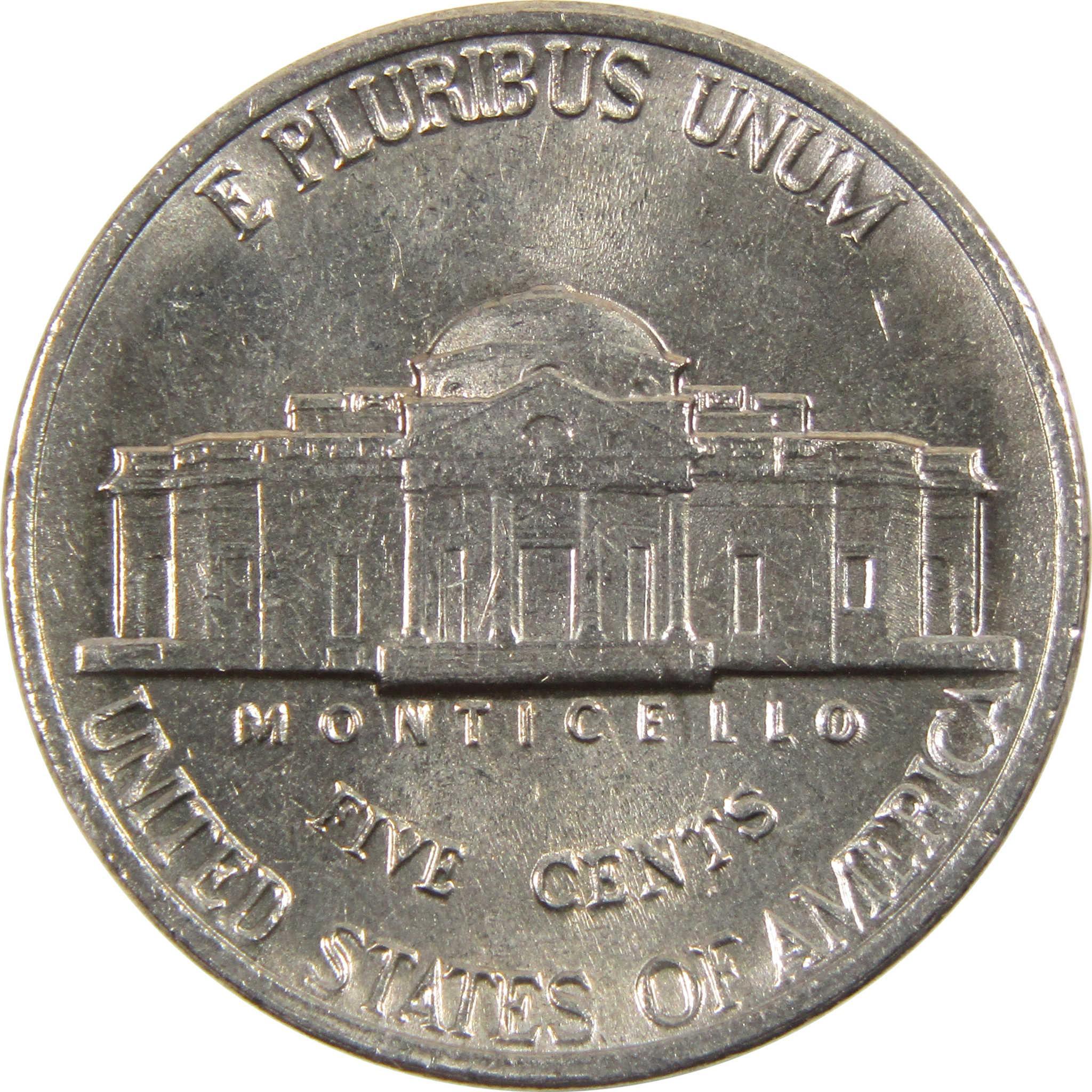
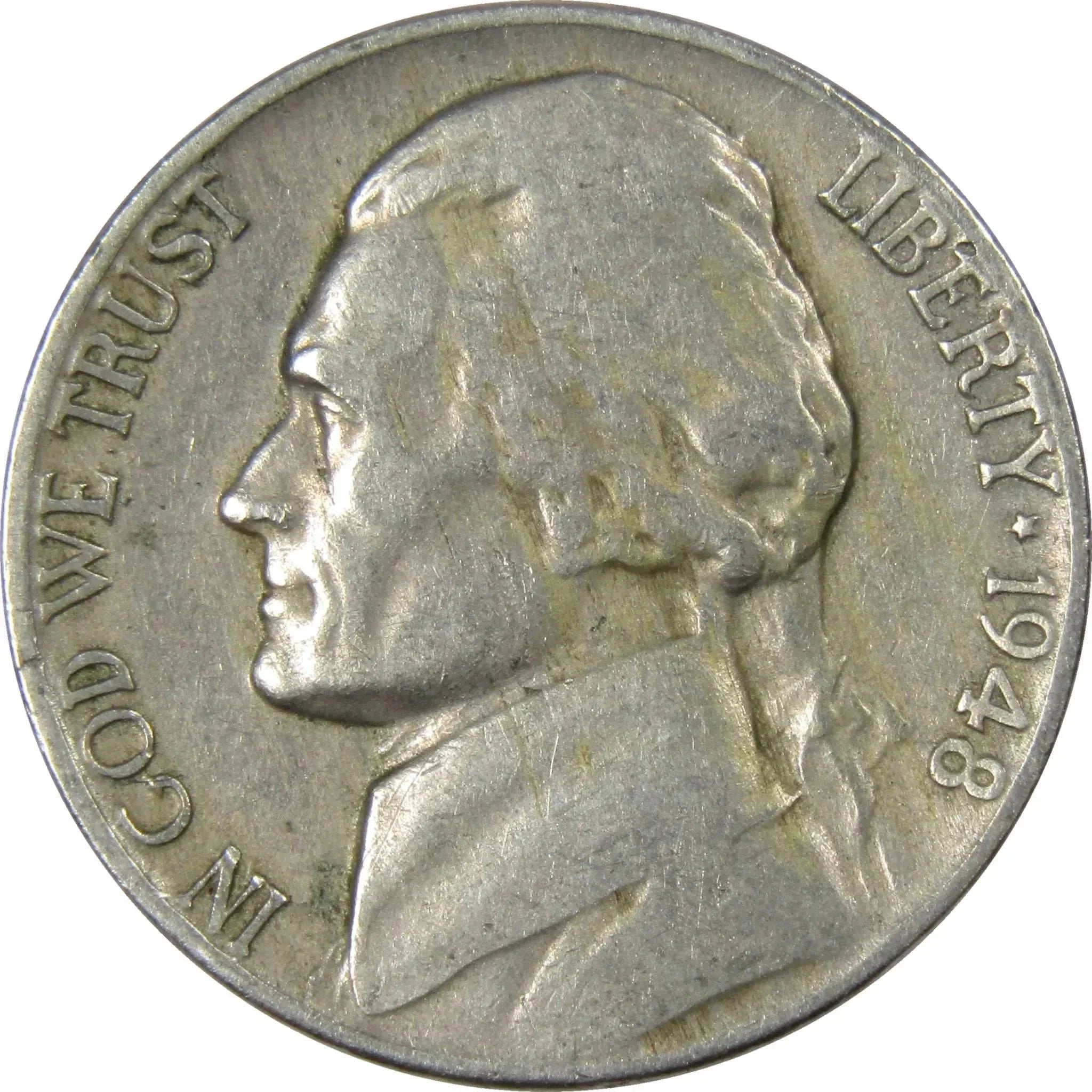
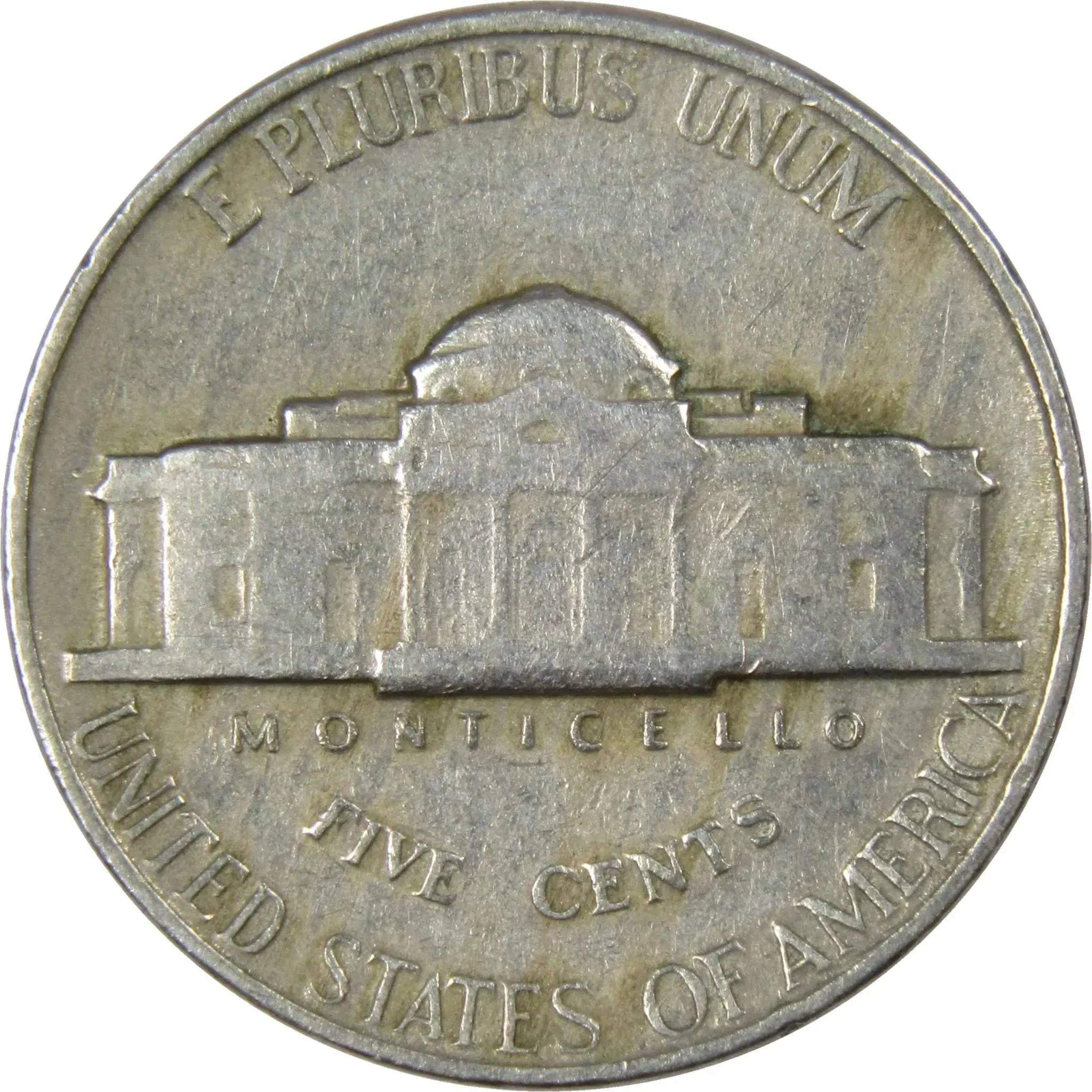
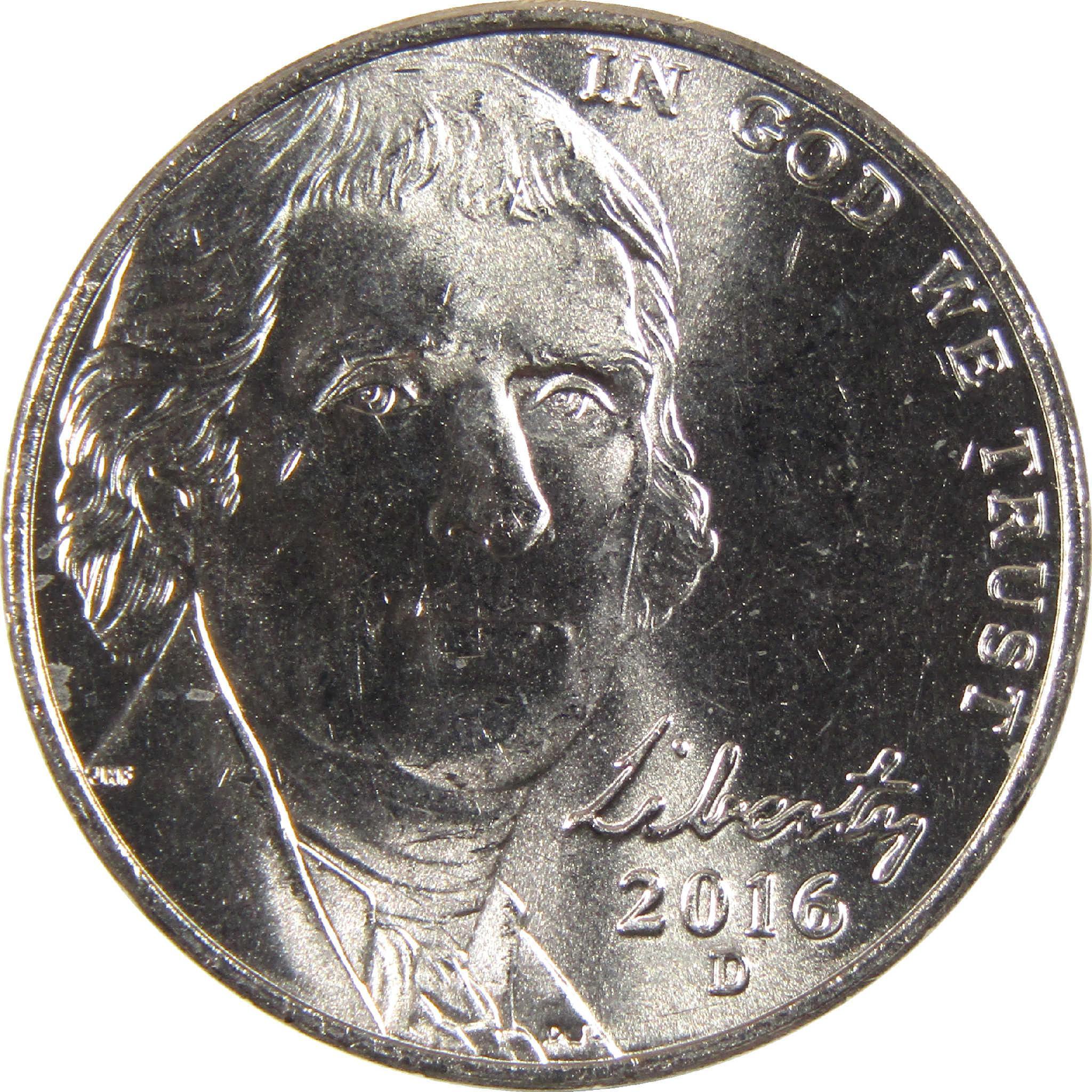
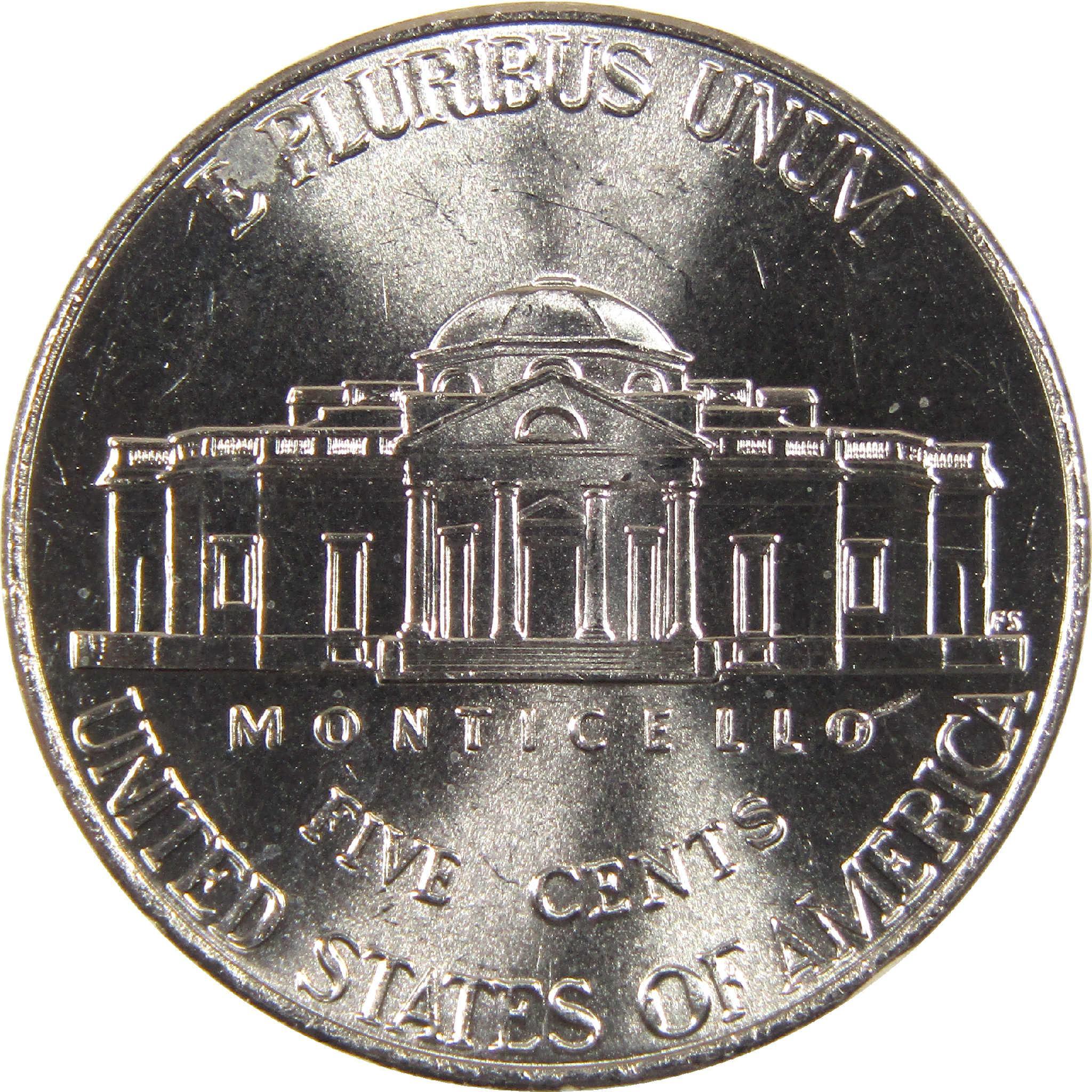
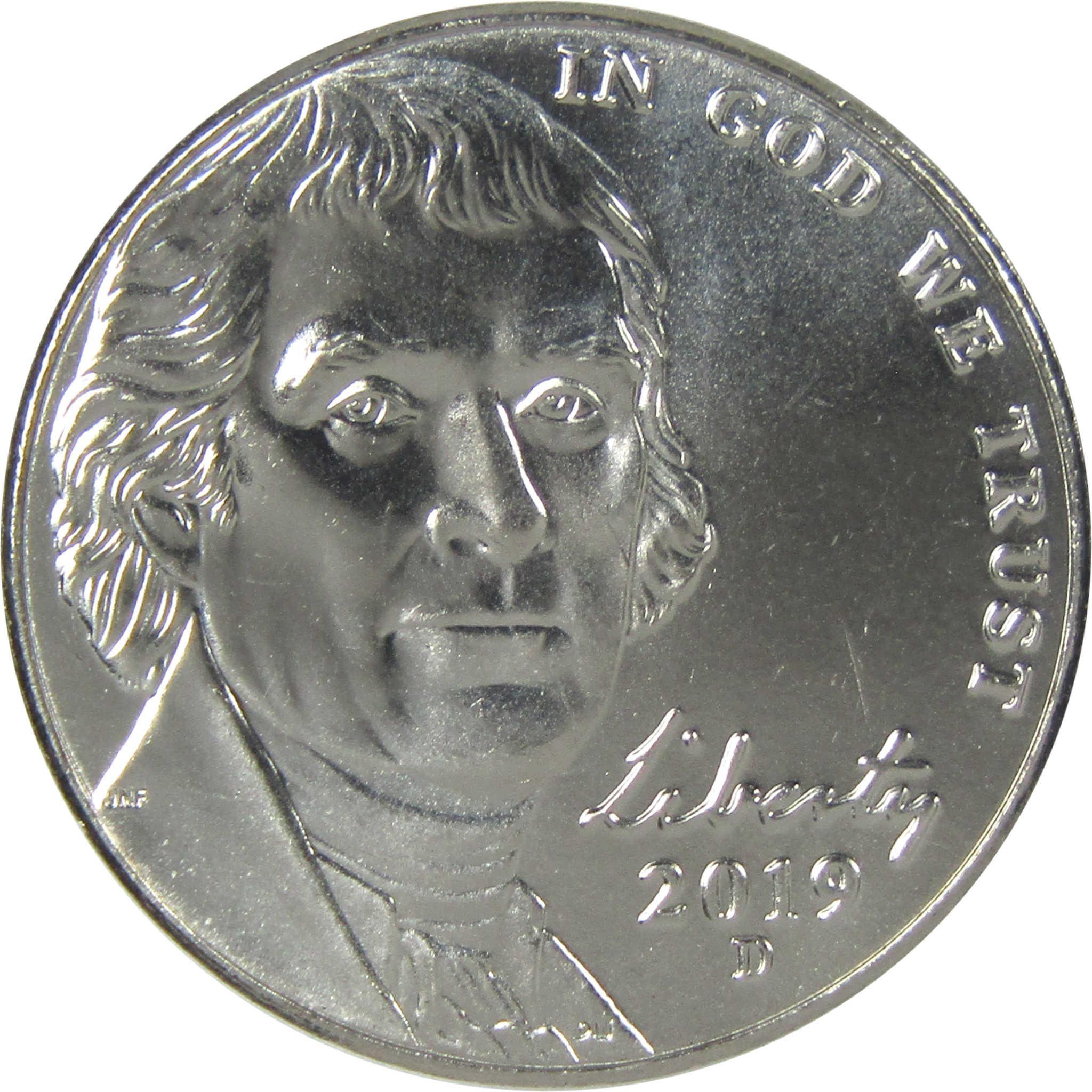
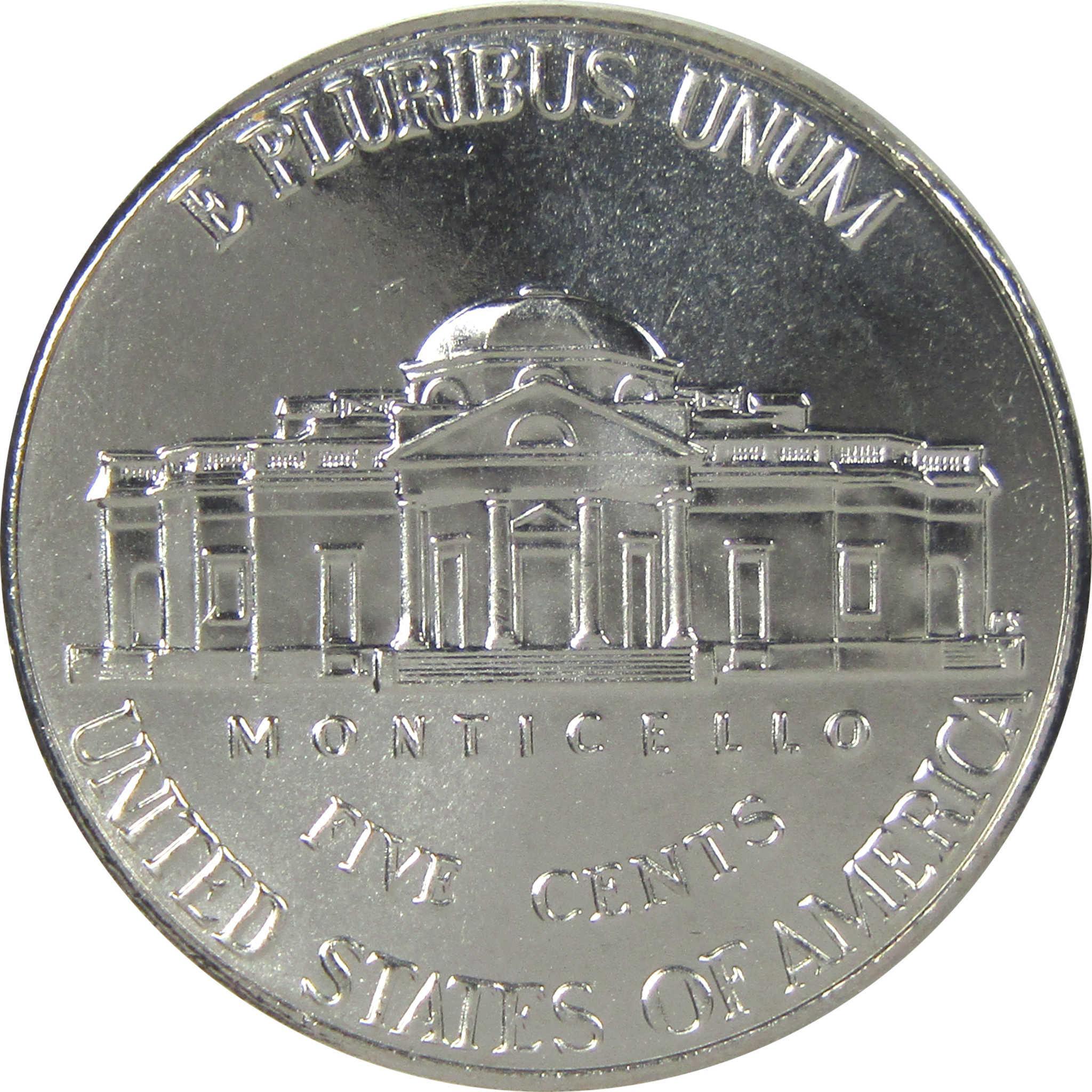
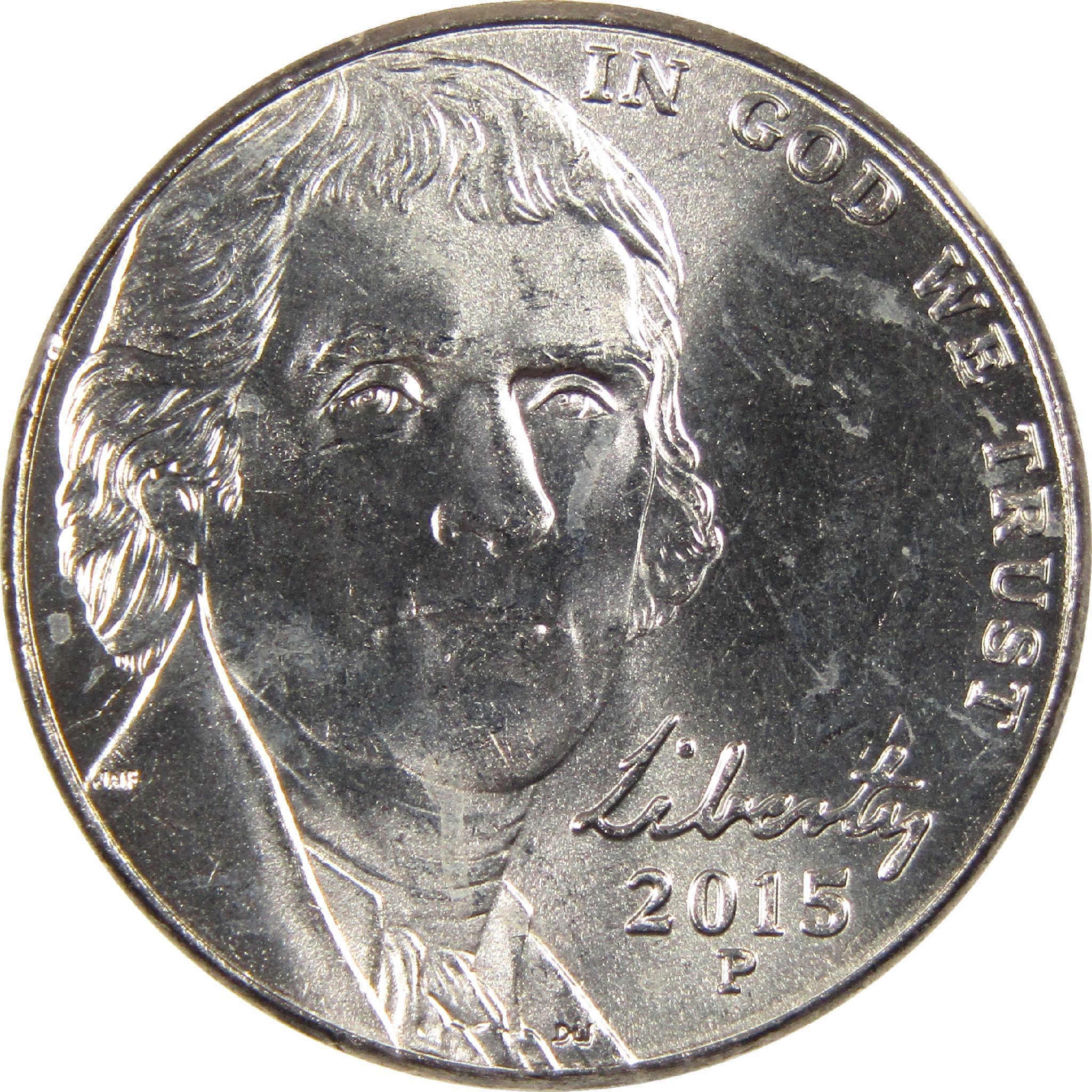
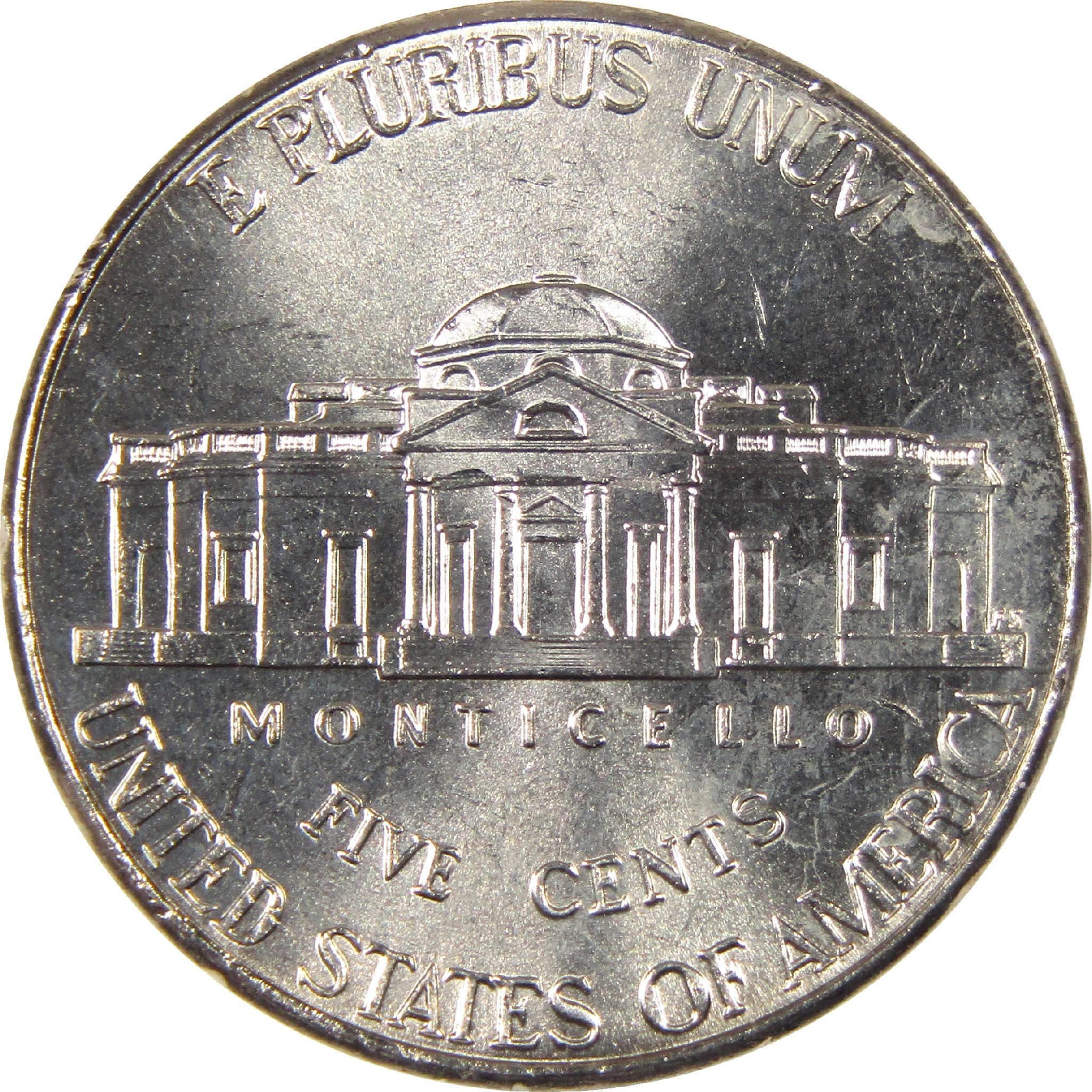
  • Jefferson Nickels (1938-present): The Jefferson Nickel, named after Thomas Jefferson, has been in circulation since 1938. The obverse of the coin showcases a portrait of Thomas Jefferson, while the reverse initially depicted Monticello, his estate. The Monticello design was used until 2003. From 2004 to 2005, the U.S. Mint released a series of Westward Journey Nickels, honoring the Lewis and Clark expedition and the exploration of the American West. Since 2006, the Monticello design has been reintroduced with a slight alteration.

Though the U.S. nickel has undergone changes in design, it has remained an essential denomination in everyday commerce and a collectible coin cherished by numismatists.

Return to Top

Recently viewed